



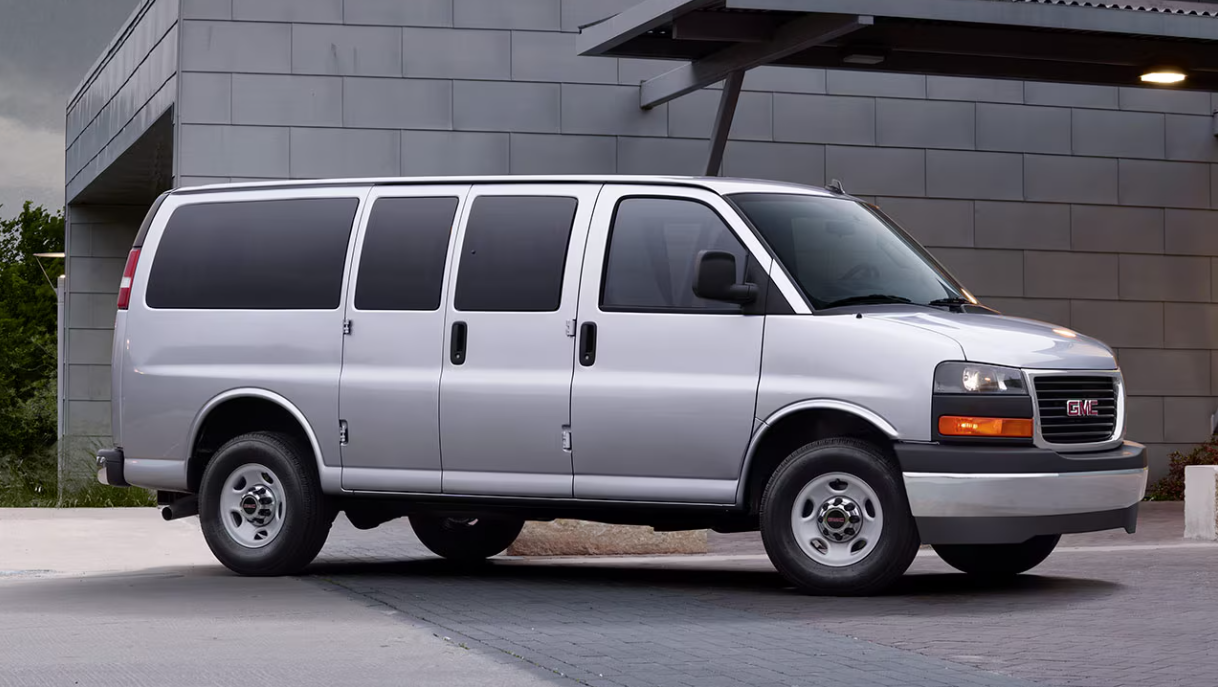
Your commercial van is the workhorse that keeps your business moving day after day. For Carmel business owners, choosing between the GMC Savana and Ford Transit can make or break your daily operations. Whether you’re hauling equipment across the Hudson Valley, shuttling passengers around town, or delivering products to customers, this guide will help you pick the perfect van for your business.
Understanding Your Commercial Van Requirements
Before signing anything, ask yourself what your business actually needs. If you haul heavy loads, payload capacity becomes absolutely necessary. Work vans pull double duty as rolling workshops, mobile offices, warehouses, and moving billboards around Carmel. Whether you want good mileage, organized storage, serious muscle, or even temperature control, getting clear on these must-haves saves you from being stuck with the wrong van later.
Performance and Capability
When choosing the best cargo van for your business, power and utility are important aspects to consider.
Engine Options and Power Delivery
The GMC Savana offers two engines for different work needs. The standard 4.3L V-6 delivers 276 horsepower and 298 lb-ft of torque. The optional 6.6L V-8 produces 401 horsepower and 464 lb-ft of torque, great for heavy trailers. Prioritizing fuel efficiency, the Ford Transit includes a 3.5L V-6 outputting 275 horsepower and 262 lb-ft of torque or a 3.5L EcoBoost V-6 producing 310 horsepower and 400 lb-ft of torque.
Payload and Towing Capacity
The GMC Savana pulls up to 10,000 pounds when properly equipped. It’s ideal for contractors and landscapers. The Ford Transit maxes out at 6,900 pounds towing. However, the Ford Transit carries up to a 5,103-pound payload in certain setups, while the Savana only offers up to 4,280 pounds in the 3500. The Ford is better if you need a high payload, but Savana’s towing strength matters for loaded trailers.
Interior Space and Cargo Configuration
Both vans provide plenty of space but prioritize different features.
Cargo Area Dimensions and Volume
The Ford Transit offers 536.4 cubic feet of cargo space in its largest configuration. Plus, Ford lets you mix roof heights and wheelbases to customize exactly how much room you need.
The GMC Savana maxes out at 283.6 cubic feet in its long-wheelbase model, focusing on toughness and easy access rather than sheer volume.
Seating Configurations and Capacity
Both vans shine at people-moving, offering flexibility with configurations ranging from two seats up to 15. The GMC Savana Passenger Van seats up to 15 people, and Ford’s Transit Passenger matches that 15-person capacity.
Storage Solutions and Organization Features
Different businesses need different storage layouts, which is why both vans let you install shelving, dividers, and storage systems to match your work needs. The Savana’s body-on-frame design gives you solid mounting points for heavy-duty racks, while the Transit’s unibody offers flexibility for lighter storage.
Technology and Connectivity Features
Inside these vans, you’ll find different options for navigating New York streets and keeping track of business operations.
Infotainment Systems and Fleet Management
The 2026 GMC’s low-tech infotainment system doesn’t come with a touch screen. But you can use the myGMC mobile app for tracking fuel levels, tire pressure, and vehicle health in real time. The Savana also includes an OnStar Telematics Plan so fleet managers can monitor several vehicles at once. These systems let you keep tabs on vehicle condition, fuel use, and driver habits to cut costs. As your business grows beyond one or two vans, centralized tracking becomes valuable for keeping everything running smoothly.
Ford’s 2026 Transit comes standard with a 12-inch touch screen running SYNC 4 software. It works with Apple CarPlay and Android Auto, so smartphones integrate seamlessly. You can access maps, calls, and work apps through voice commands without taking your eyes off the road. You may prefer Ford’s large screen if your business relies heavily on navigation or mobile apps.
Safety and Security Features
To keep everyone safe on the road, each van comes packed with safety and driver-assistance features. Plus, you’ll find extra security options preinstalled to help prevent theft.
Standard Safety Equipment
Both vans include safety essentials such as multiple airbags, electronic stability control, and traction systems. These features prevent accidents and maintain stability during poor road conditions. They’re business necessities that provide peace of mind for daily operations. Both meet federal safety standards with commercial-specific features including visibility aids and stability systems for loaded vans.
Advanced Driver-Assistance Systems
The GMC Savana offers forward collision alert, lane departure warning, and Side Blind Zone Alert working together to prevent accidents. You can also add Rear Park Assist for detecting obstacles when backing up. You’ll appreciate this on busy job sites.
These technologies boost driver confidence during long workdays. The Ford Transit offers similar driver-assistance technology, though specifics vary by trim level.
Cargo Security Options
Your security needs depend on cargo, parking locations, and insurance requirements. The GMC Savana includes theft alarm notifications and remote locking features for van monitoring and break-in alerts. These are critical when parked at job sites, customer locations, or overnight storage. The Ford Transit has comparable security options, varying by configuration.
Reliability and Maintenance Considerations
When choosing between the Ford Transit vs. GMC Savana, you should consider reliability and long-term costs.
Long-term Reliability and Maintenance
These are both some of the most reliable cargo vans, but the GMC Savana features proven mechanical systems shared with the Chevrolet Express. Its simpler design means fewer parts to break during commercial use. Plus, it’s often cheaper to fix with widely available parts and experienced mechanics. The Savana also benefits from GMC’s dealer network plus numerous independent shops throughout the Hudson Valley. The Ford Transit offers a modern design but lacks Savana’s battle-tested platform longevity.
Both handle tough work, but Savana’s simpler mechanics and longer track record provide confidence when downtime isn’t an option. You should consult your owner’s manual for scheduled maintenance advice to keep your van in good condition.
Warranty Coverage
GMC and Ford both offer solid commercial van coverage, including bumper-to-bumper protection and powertrain warranties. Commercial registration or multiple van purchases may qualify for special business warranty programs. You can also purchase extended warranty packages for additional coverage. At Meadowland GMC, we can help you understand warranty details, limits, and maintenance requirements to protect your investment.
Choose the GMC Savana for Your Business Needs in Carmel, New York
Your choice depends on business priorities. The GMC Savana delivers serious muscle, while the Ford Transit works best for maximum storage space and payload. The 2026 GMC Savana Passenger Van starts at $47,950; the Ford Transit Passenger Van begins at $58,680.
Our Meadowland GMC team understands local business needs after decades helping Hudson Valley companies. Browse our inventory online, contact us to arrange a test-drive, and discuss how the right van helps your business grow.
Connect with us

- July 2026
- June 2026
- May 2026
- April 2026
- March 2026
- February 2026
- January 2026
- December 2025
- November 2025
- October 2025
- September 2025
- August 2025
- July 2025
- June 2025
- May 2025
- April 2025
- March 2025
- February 2025
- January 2025
- December 2024
- November 2024
- October 2024
- September 2024
- August 2024
- July 2024
- June 2024
- May 2024
- April 2024
- March 2024
- February 2024
- January 2024
- December 2023
- November 2023
- October 2023
- September 2023
- August 2023
- July 2023
- June 2023
- May 2023
- April 2023
- March 2023
- February 2023
- January 2023
- December 2022
- November 2022
- October 2022
- September 2022
- August 2022
- July 2022
- June 2022
- May 2022
- April 2022
- March 2022
- February 2022