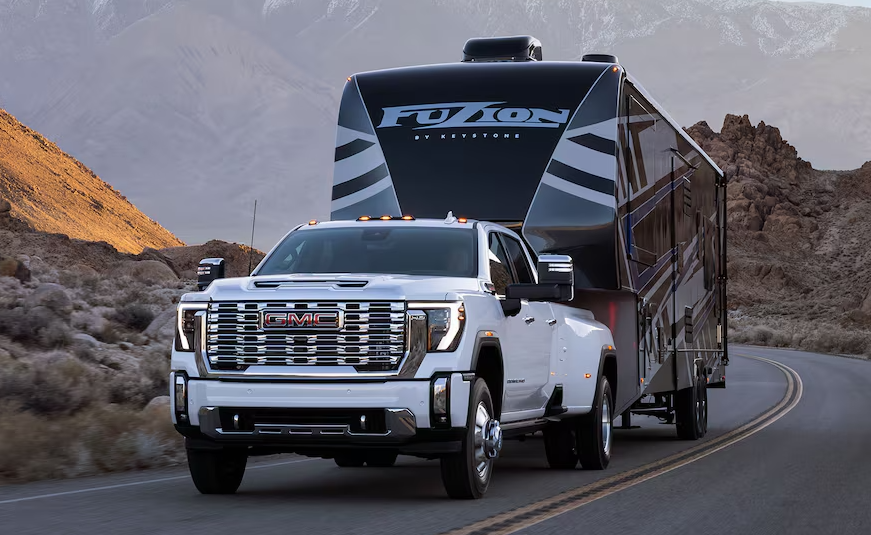



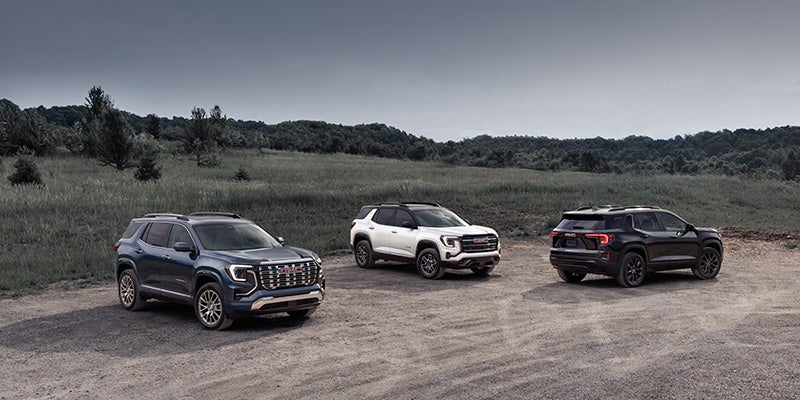
Getting your GMC ready for winter isn't just a nice idea around here, it's how you avoid getting stranded on a dark stretch of Route 6 when temperatures crash overnight. Winter in the Hudson Valley doesn't ease in gradually. One week you're raking leaves in a light jacket, and the next you're scraping frost off the windshield before sunrise. If you'd rather have a professional handle the checklist, you can schedule a winter inspection with our team before the first real freeze hits. Why Putnam County Winters Demand Real GMC Preparation Putnam County sits in a humid continental climate zone, which is a fancy way of saying we get real seasons, and winter is not shy about announcing itself. Average highs hover around 40°F, but lows regularly dip into the teens or single digits. January is the coldest stretch, with Putnam Valley averaging a high of just 33.8°F and a low of 21.9°F. Snow isn't a rare event here either. Putnam County averages 42 inches a year, well above the national average of 28 inches, with some seasons landing as low as 30 inches and others climbing past 70. Add in the occasional Nor'easter, capable of dumping 4 to 8 inches in a single system (up to 12 inches on the county's east side) followed by bitter, below-zero wind chills, and you've got a recipe that tests every part of your vehicle. Getting ready for winter has to go beyond a quick glance at the tires. The battery and cooling system quietly do the hard work every cold morning, and they need attention too. Battery Health: Beat the Freeze Before It Strikes A dead battery in a Carmel driveway has a way of ruining a Monday morning. An engine needs about 30% more energy to start when temperatures drop to freezing, and at 0°F, a battery loses roughly 60% of its strength, leaving only about 40% of its rated capacity, according to AAA's Automotive Research Center. Batteries lose roughly 35% of their capacity at 32°F, according to AAA's Automotive Research Center, with reserve power dropping even further as temperatures continue to fall. At 0°F, your battery could be running at 40% power while the engine demands twice its normal amount just to turn over. Warning Signs Your Battery Won't Make It Through the Cold A few red flags tend to show up before a battery fails completely, and catching them early can save you a tow truck call. A battery over three years old, dimming or flickering lights, a slow or hesitant crank, frequent jump-starts, and corrosion on the terminals are all signs worth paying attention to. If you notice any of these, it's worth having the alternator and starter checked too, since a weak battery sometimes signals a bigger electrical issue. Why Cold Temperatures Drain Starting Power Fast Cold doesn't just weaken the battery itself, it also thickens engine oil, which means the starter has to work harder to get everything moving. The chemical reactions inside a battery slow down as temperatures fall, reducing the current it can deliver right when the engine needs it most. GMC recommends a Multi-Point Vehicle Inspection heading into winter for exactly this reason. Our service center can test your battery's cold cranking amps and reserve capacity before the first real cold snap arrives. Tire Pressure and Traction for Icy Roads Tires are your only contact point with the road, and cold weather changes their behavior more than most drivers realize. Getting Your PSI Right When Temperatures Drop Tire pressure drops roughly 1 PSI for every 10-degree fall in temperature, sometimes closer to 1 to 2 PSI. Across a full Hudson Valley winter, that swing can add up to a 10 PSI gap between the mildest fall afternoon and the coldest morning in January. Even a single sharp cold front can pull 4 to 5 PSI out of your tires. We recommend checking pressure weekly through the winter months rather than waiting for the low-pressure warning light, since underinflated tires wear unevenly and lose grip exactly when you need it most. Tread Depth Checks Before Slushy Hillsides in Carmel Carmel's hillier neighborhoods turn slushy fast once snow starts melting and refreezing, and tread depth matters a lot on those grades. A minimum of 4/32 of an inch paired with proper inflation is the baseline for safe winter traction, according to NHTSA. If your tires are close to that line, have them inspected before tackling a slushy hill with worn rubber underneath you. If your GMC is equipped with AWD or 4WD, like many Terrain and Sierra models, confirm the system is functioning properly before winter sets in. AWD helps with acceleration traction, but it doesn't improve braking or cornering grip on ice, so good tires and cautious driving still matter just as much. Shoppers looking to add all-wheel capability can browse our new GMC SUVs in Carmel or check out our new GMC trucks for sale for models built with Hudson Valley winters in mind. Comparing Your Traction Options The main traction options compare like this for local conditions: Option Best Use Case Traction on Ice/Snow Tread Design Lifespan Recommended Conditions All-Season Tires Year-round daily driving Moderate Balanced tread for varied conditions Longest of the three Mild winters, occasional light snow Winter/Snow Tires Dedicated cold-season use Strong Deeper grooves, softer rubber compound Shorter, seasonal use Heavy snow, ice, sustained sub-freezing temps Tire Chains Optional traction boost in severe conditions Very strong on packed snow/ice Metal links over tread Situational, not for regular driving Deep snow or steep, icy grades New York doesn't have a statewide chain requirement, so chains here are an optional tool for drivers who want extra traction on steep or heavily snowed grades, not a legal necessity. Flushing and Refilling Vital Cooling System Fluids Confirm your antifreeze mix is adequate for freezing temperatures; a 50/50 antifreeze-to-water ratio is the industry standard for most Hudson Valley winters. If temperatures ever plunge below -34°F, a 60/40 or 70/30 mix offers additional freeze protection, but never exceed a 70/30 ratio, and never run pure water or pure ethylene glycol through the system. A quick visual check can tell you a lot. Coolant that looks brown or rust-colored may indicate corrosion inside the system, while a milky appearance often points to oil contamination, and either issue is worth having a technician look at (only check fluid color when the engine is cool). Flush intervals vary depending on coolant type; conventional coolant typically needs replacement every 2 to 3 years or 30,000 miles, so check your Owner's Manual for your specific model's schedule. While you're at it, don't overlook brake fluid or washer fluid. Brake fluid can absorb moisture over time, and water in the system lowers the boiling point and reduces braking performance when you need it most. Topping off with a winter-grade, non-freezing washer fluid also keeps your windshield clear instead of smeared with ice. Black Ice on Route 6: Smart Driving Adjustments Even a perfectly maintained GMC can't outmaneuver black ice if you don't see it coming. Black ice tends to form right around 32°F, often in the early morning or late evening, and it loves bridges, overpasses, and shaded or hilly stretches, conditions Route 6 and the Taconic State Parkway both offer in abundance through the winter. It can increase stopping distance by up to 10 times compared to dry pavement, worth remembering next time you're following closer than you should be. Increase your following distance to five or six seconds in icy conditions, ease off your speed, and apply the accelerator gradually rather than making sudden inputs, per AAA guidance. Don't trust your dashboard thermometer alone, since road surface temperature can differ from ambient air temperature. Instead, watch for ice forming on your wipers, mirrors, or roadside signs, often the first visible clues. If you do start to skid, steer gently into the slide and ease off the accelerator; resist the urge to slam the brakes, since that usually makes things worse. These are general guidelines that can help improve traction and control, not guarantees, so when in doubt, slow down and give yourself room. Your Quick-Read Winter Readiness Checklist Run through this before the next cold front rolls in: Battery & Electrical Test battery age, terminals for corrosion, and cranking performance. Have the alternator and starter checked if you've needed recent jump-starts. Tires Check PSI weekly and adjust for temperature swings. Confirm tread depth is at or above 4/32 inch. Verify AWD or 4WD function on equipped models. Fluids Confirm antifreeze mix matches expected low temperatures. Inspect coolant color for signs of corrosion or contamination. Check brake fluid for moisture and top off washer fluid with winter-grade formula. Visibility & Comfort Replace worn wiper blades and inspect defrosters. Keep an ice scraper within easy reach. Protection & Preparedness Pack an emergency kit with blankets and jumper cables. Add a flashlight, sand or kitty litter for traction, and a first-aid kit. Keep at least half a tank of gas and a charged phone on hand. If stranded, stay with the vehicle and use hazards or dome lights to stay visible. Schedule GMC Winter Service Near the Hudson Valley Today Getting your GMC ready for winter comes down to a handful of checks that take far less time than dealing with a breakdown on a cold, dark road. As a family-owned dealership serving Putnam and Westchester counties from 1952 US-6 in Carmel, NY, we make it easy to knock out that whole list in one visit. What Sets Our Service Apart Battery testing is free, and we install ACDelco Gold batteries backed by a 36-month free replacement warranty, matched to your GMC's specific cold cranking amp and reserve capacity needs. We also stand behind a Tire Price Match Guarantee, so we'll refund the difference if you find a better price within 30 days. On top of that, you'll get genuine GMC parts and rotating service coupons on winter maintenance. Book Your Appointment Whether you need a battery test, a tire inspection, or a full cooling system flush, our GMC winter service near the Hudson Valley is ready when you are. Schedule your appointment now or reach out to our team with any questions before the next cold front rolls through.
What Is the GMC Elevation Package?
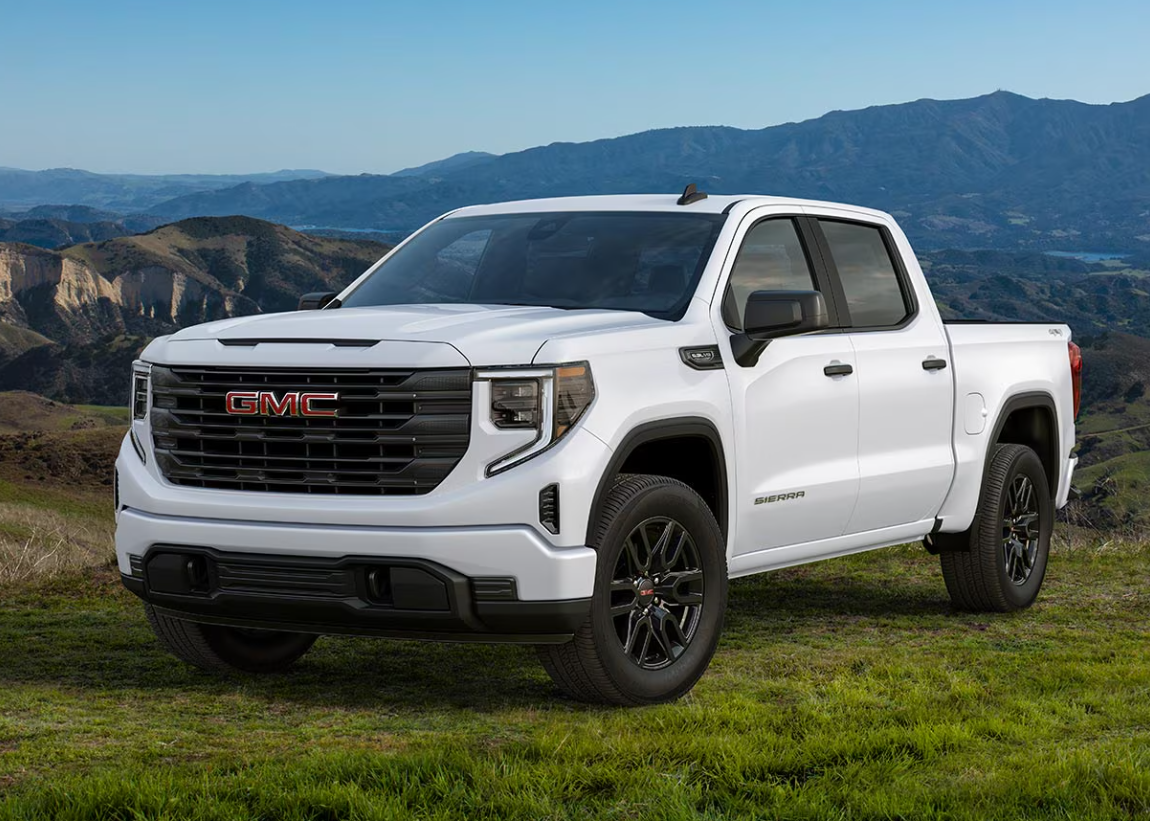
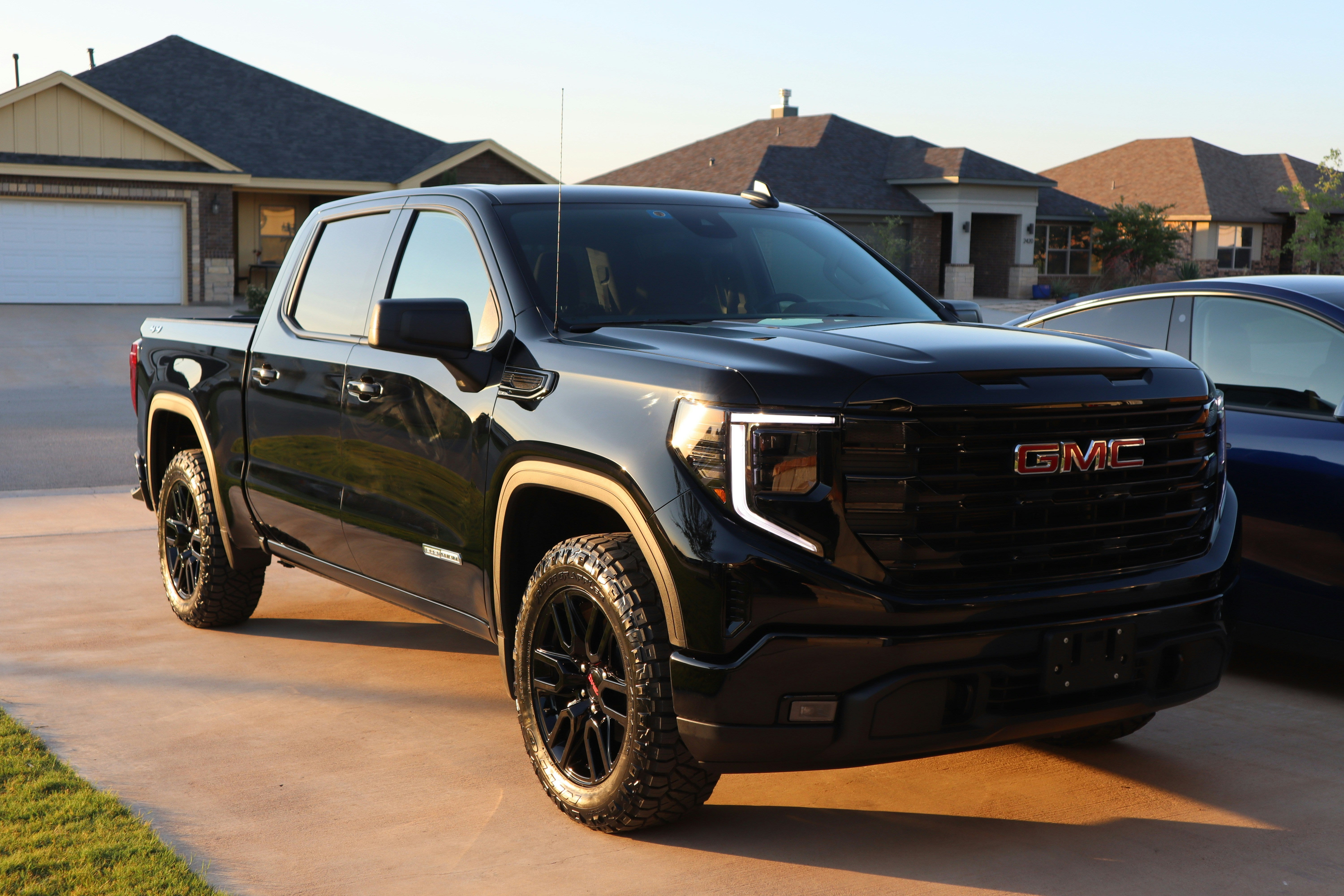
Available for new GMC vehicles, the Elevation name represents both a standalone trim level and a suite of premium packages that help you make your new truck all your own. This guide explores the GMC Elevation trim available for the 2025 and 2026 GMC Sierra 1500 and GMC Canyon. We look at key features, exterior design, interior comfort, technology, and safety features to help drivers in Carmel, Brewster, and the surrounding Hudson Valley find the perfect GMC. VALUE YOUR TRADE-IN SHOP NEW SIERRA ELEVATION INVENTORY CALL US TODAY! What Is the GMC Elevation Trim & Package? Originally introduced as an appearance upgrade, the GMC Elevation is now an enhanced, standalone trim level for both the GMC Sierra 1500 and the GMC Canyon. Sitting above the base Pro and SLE models, GMC has positioned the Elevation trim as the gateway to its premium lineup, bridging the gap between entry-level models and the top-tier Denali. The Elevation offers a chance to elevate your experience with aggressive, monochromatic styling and great tech features without choosing the most expensive trim. Thanks to its rugged off-road capability and available add-ons like the Elevation Premium Package and X31 Off-Road Package, the Elevation is all about conquering the great outdoors. Quick Comparison: Sierra Elevation vs. Canyon Elevation Model Base Engine Max Towing Key Styling / Features Sierra 1500 Elevation TurboMax™ (Optional 5.3L V8 / 3.0L Duramax® Diesel) Up to 13,300 lbs Monochromatic grille surround, 20" high-gloss black wheels, 13.4" touchscreen Canyon Elevation 2.7L TurboMax™ Up to 7,700 lbs Off-road wide stance, 18" dark grey aluminum wheels, 11.3" diagonal touchscreen Key Features of the Sierra Elevation MSRP: From $52,000. Drivetrain: Rear-wheel drive (4WD available). Fuel efficiency: Up to 24 mpg in the city and 29 mpg on the highway (depending on engine). The Sierra Elevation is a luxurious, lightweight pickup truck that's among the most advanced in its class. Equipped with a standard 2.7-liter TurboMax™ engine with an eight-speed automatic transmission, it produces 310 horsepower and sends 430 pound-feet of torque to the wheels. Alternatively, you can rev up your Elevation with the available 5.3-liter V-8 gas engine or the enhanced 3.0-liter Duramax Turbo-Diesel engine. The latter boasts a 10-speed automatic transmission and best-in-class diesel horsepower and torque. Exterior Design The Sierra Elevation features a fully boxed frame and comes in Crew Cab and Double Cab versions. You can take your pick between two-wheel-drive and four-wheel-drive configurations. The former can be equipped with a short bed and a short or standard bed. Building on top of the base level of most GMC trucks, the Elevation boasts an array of enhanced exterior features that make it stand out in a crowd. These include 20-inch high-gloss black aluminum wheels and a black front grille mesh insert. It also features body-colored bumpers and monochromatic door handles for a sleek, blacked-out look. The Elevation boasts heated power outside mirrors and a six-function MultiPro tailgate. The cargo area is ready for anything, with cab-mounted cargo area lamps, vertical recovery hooks, cargo tie-downs, and cargo bed LED lighting. There's an array of features for enhanced performance in all driving conditions. You can expect standard four-wheel antilock disc brakes and an aluminized stainless-steel muffler and tailpipe. Additional features include a heavy-duty 730 cold-cranking amps battery, a high-capacity suspension package, and an automatic locking rear differential. For lighting, it showcases IntelliBeam auto high beams, LED daytime running lamps, and LED fog lamps. Interior Comfort The Sierra Elevation has a spacious and comfortable interior for up to six passengers, depending on your chosen configuration. Drivers can enjoy 10-way power and heated driver seats with power lumbar support, a manual tilt, and a telescoping steering column. There's also a heated steering wheel with mounted controls, a rear window defogger, and cruise control for driving comfort. Passengers have a four-way manual front passenger seat, rear air vents, and heated front passenger seats. The back has plenty of flexibility with a 40/20/40 split-bench front seat with under-seat storage and a 60/40 split-folding rear bench seat. Pack for any adventure with up to 71.70 cubic feet of cargo space in the Sierra Elevation. Take advantage of best-in-class Crew Cab front headroom and legroom of 43 and 44.5 inches, respectively. Buyers can also upgrade to the Elevation Premium Package to elevate the experience further with heated front leather-appointed bucket seats and a spray-on bedliner. Technology Features The Sierra Elevation is ideal for tech-savvy drivers. It has a 12.3-inch driver information center and a massive 13.4-inch premium infotainment system with Google built-in. Drivers and passengers can enjoy the convenience of a 120-volt power outlet, a six-speaker audio system, and available wireless charging. It also comes with Remote Start capability and three years of complimentary OnStar and Connected Services with Wi-Fi hotspot capability. Safety Features The GMC Sierra Elevation comes with GMC Pro Safety as standard. It includes automatic emergency braking, forward collision alert, and front pedestrian braking. Other safety features include Buckle to Drive and a following distance indicator. When you are hauling, safety features like hitch guidance, Trailer Side Blind Zone Alert, and a tire pressure monitoring system with a tire fill alert all offer ultimate peace of mind. Key Features of the Canyon Elevation MSRP: From $36,900. Towing Capacity: Up to 7,700 pounds. Fuel efficiency: 18 mpg in the city and 23 mpg on the highway. The Canyon Elevation comes standard with the same 2.7-liter TurboMax™ engine as the Sierra Elevation, producing a robust 310 horsepower and 430 pound-feet of torque. While it still features many of the same dark accents, the Canyon's exterior differs slightly to accommodate its adventurous, wide stance. It features 18-inch multispoke Satin Graphite aluminum wheels, all-season blackwall tires, and a black grille with a body-colored surround. Inside, drivers and passengers can enjoy the convenience of an 11.3-inch touchscreen and an 8-inch driver information system. The Canyon Elevation also comes with an off-road performance display. With a high-definition rear-vision camera and a hitch view, it's ideal for adventuring off-road. Other features include keyless start and wireless Apple CarPlay and Android Auto connectivity. There's an available MultiStow tailgate for enhanced storage versatility as well. Take the GMC Elevation for a Test Drive GMC has designed the Elevation trim for drivers who want a truck with a more customized, aggressive appearance. The Elevation's features go above and beyond what you find on standard base levels. Think darkened appearances with high-gloss black accents and peppy TurboMax™ engines that add a distinct point of difference compared to the lower PRO or SLE trims. Want to experience the power and luxurious feel of the GMC Sierra or Canyon Elevation? Contact Meadowland GMC in Carmel, New York, proudly serving the Hudson Valley, and take one for a test drive today. Photo Credit: a black truck parked in a driveway by Somalia Veteran is licensed with Unsplash License