



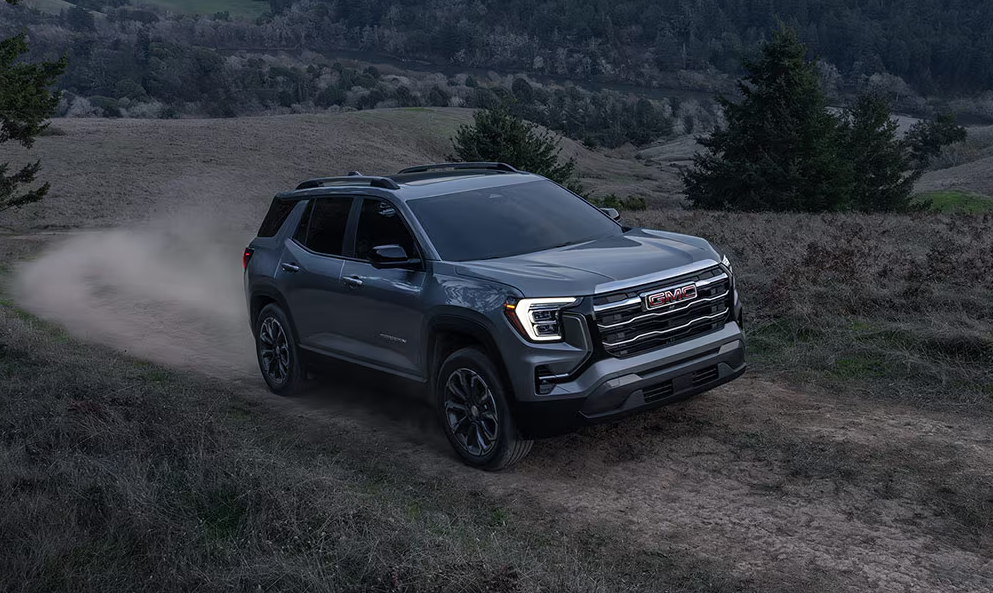
If you’re shopping for a compact SUV in the Hudson Valley, the GMC Terrain probably sits near the top of your list. It’s a practical size for families, earns solid safety ratings, and has held up well across multiple generations. But before you commit, it’s worth asking honestly: are GMC Terrains reliable enough to justify the investment?
The short answer is yes, with some context. The Terrain isn’t perfect, but it holds its own against competitors in the compact SUV segment and rewards owners who take care of it. What the data shows, what real drivers experience, and how to get the most life out of one are all worth understanding before you sign anything.
GMC Terrain Reliability: An Honest Look
The GMC Terrain is a solid, dependable SUV for everyday use, and it consistently performs best for owners who follow a proper maintenance routine. It’s not the flashiest option in the segment, but it delivers practical, long-term dependability for a wide range of buyers. Daily commuters, families running school pickups in Carmel, weekend travelers heading up through the Catskills, all tend to find it fits their lives well.
It has its quirks, but knowing what to watch for makes a real difference in long-term satisfaction.
What the Reliability Ratings Actually Say
RepairPal gives the GMC Terrain a reliability rating of 3.5 out of 5.0, placing it 22nd out of 26 compact SUVs in its category. That ranking sounds middling, but the supporting numbers tell a more telling story. The average annual repair cost is $558, which is manageable compared to many segment rivals, and owners average just 0.3 unscheduled repair visits per year. RepairPal also notes that the probability of a severe or major repair sits at 17%, which is higher than the class average. Repairs aren’t frequent, but when they do happen, they can be more serious than a routine fix.
Safety ratings strengthen the Terrain’s overall profile. Starting with the 2020 model year, GMC made forward collision warning, city-speed automatic emergency braking with pedestrian detection, and lane keeping assistance with lane departure warning standard across all trims, which gives parents and daily drivers something extra to feel good about.
How the Terrain Has Evolved Across Generations
The Terrain launched in 2010 and has gone through meaningful updates since. The first generation ran through 2017 and established the model’s identity as a practical, spacious compact SUV. The second generation, introduced in 2018, brought a more refined design, turbocharged engine options, and improved fuel economy. Many of the complaints tied to earlier models were addressed in that redesign.
GMC unveiled an all-new third-generation Terrain for 2025, featuring a totally redesigned interior and exterior with a more rugged, truck-like appearance, a new 15-inch infotainment touchscreen, and expanded standard safety technology. The current generation uses a 1.5-liter turbo-four paired with a CVT on front-wheel-drive trims or an eight-speed automatic on all-wheel-drive trims.
Per Car and Driver, fuel economy on FWD models reaches 26 mpg city and 28 mpg highway, while AWD drops city efficiency to 24 mpg. Because the 2025 all-new third-generation redesign is recent, long-term reliability data is still limited, and it’s worth being transparent about that when considering a newer model.
Second-generation models from 2019 onward generally earn the strongest reliability marks. These years benefited from refinements GMC made after the initial redesign rollout, and drivers tend to report fewer issues compared to some first-generation builds.
Real-World Ownership: What Everyday Drivers Experience
Owner reviews paint a picture that aligns closely with what the reliability data suggests. Many Terrain owners report satisfaction with ride comfort, interior space, and ease of daily use. Consumer Reports describes the powertrain as pleasant in everyday driving, with a comfortable ride and a roomy cabin. The same reviews flag that some controls can feel unintuitive, and the transmission occasionally delivers rough shifts. These are patterns worth knowing before you buy.
Some owners of older Terrains, particularly first-generation models, have noted issues with transmission performance and HVAC systems. These aren’t universal experiences, but they appear frequently enough to be worth knowing about if you’re considering a used Terrain from that era. The overall tone in owner communities leans toward cautious satisfaction. The Terrain earns loyalty by consistently delivering across multiple areas without major surprises rather than by excelling dramatically in any single one.
The GMC Terrain as a Family SUV in the Hudson Valley
For families in the Hudson Valley, the Terrain makes a compelling case as a daily vehicle. Rear legroom is genuinely comfortable, and the cargo area handles groceries, sports gear, and weekend luggage without asking you to play Tetris. The standard safety technologies from 2020 onward, including city-speed automatic emergency braking with pedestrian detection and lane keeping assistance with lane departure warning, are a welcome addition for parents behind the wheel.
The region’s driving environment suits the Terrain well. Whether you’re on the narrow roads around Carmel, covering the Taconic State Parkway, or heading into higher elevations during foliage season, the Terrain’s balanced handling and available AWD keep things manageable.
Common Terrain Concerns and How to Stay Ahead of Them
Common problems with older Terrains have included engine hesitation in certain turbocharged configurations and transmission shuddering. Some first-generation owners also encountered timing chain issues and elevated engine oil consumption, and a handful reported that infotainment responsiveness left something to be desired.
Staying ahead of these concerns starts with knowing your model year’s history. Before purchasing a used Terrain, check for any active recalls or technical service bulletins. When these issues are caught early, they’re usually straightforward to address. Left alone, minor problems can compound into more expensive repairs. Newer Terrain models have largely cleared up the most significant first-generation problems, so known issues tend to be less frequent and less severe in post-2018 examples.
Why Routine Service Is the Biggest Reliability Factor
Reliability, more than anything else, comes down to maintenance. The owners who report the fewest problems are almost always the ones who stick to their service schedules. At an average annual repair cost of $558, keeping up with routine service is manageable, and it’s the single biggest factor in how long a Terrain holds up.
What a Smart Maintenance Schedule Looks Like for Terrain Owners
A consistent service schedule for the Terrain should cover:
- Oil and filter changes, roughly every 7,500 miles under normal conditions and more frequently for stop-and-go or short-trip driving
- Tire rotations every 5,000 to 7,500 miles, along with periodic alignment checks
- Brake inspections at least once a year
- Battery testing before winter, especially as the Terrain ages
- Fluid checks, including transmission fluid evaluated per manufacturer guidelines for your specific model year
- Cabin and engine air filter replacement on schedule
Beyond these basics, staying current on any software updates for infotainment and driver-assistance systems also contributes to long-term reliability. Setting calendar reminders or working with a service advisor who knows your Terrain’s history makes it far easier to stay on track.
Meadowland GMC’s service department, staffed by factory-trained technicians, handles all of this for local Terrain owners. Service hours run Monday through Friday from 8 AM to 5 PM and Saturdays from 8 AM to 3 PM. You can reach the service team directly at (845) 228-8465.
How Seasonal Hudson Valley Conditions Affect Long-Term Performance
The Hudson Valley isn’t always easy on vehicles. Winters bring road salt, ice, and temperature swings that test a vehicle’s systems in ways warmer climates never do. Cold weather stresses batteries, drops tire pressure, and thickens engine oil during cold starts. For Terrain owners, preparing for winter means checking battery charge, switching to winter-rated tires if needed, and confirming that all fluids are appropriate for low-temperature operation.
Summer brings its own demands. Hot conditions can strain the cooling system and air conditioning, especially in older vehicles with higher mileage. Checking coolant levels and confirming the A/C is working efficiently before the warm months helps prevent heat-related wear.
The available AWD is a genuine asset in winter conditions, but it works best when paired with appropriate tires and a properly serviced vehicle. AWD improves traction but doesn’t replace good tires, functional brakes, and a pre-season inspection.
Thinking About a GMC Terrain? Meadowland GMC Can Help
With consistent care, many Terrain owners comfortably reach 200,000 miles or more. How long a given Terrain lasts depends on its service history, how it’s been driven, and which model year you’re looking at. Treated well, it’s a platform that delivers many years of dependable use.
If you’re ready to explore what the Terrain has to offer, we’re here to help. Meadowland GMC is located at 1952 Route 6 in Carmel, NY, and we carry a current selection of new GMC Terrain models for sale in Carmel, NY as well as a broader lineup of new GMC SUVs for sale in Carmel, NY if you’d like to compare options. Our team can walk you through trim levels, available features, and financing solutions that fit your situation.
Sales hours run Monday through Thursday from 9 AM to 7 PM and Friday through Saturday from 9 AM to 6 PM. You can call the sales team at (845) 228-8460 or reach out through our contact page to ask questions or schedule a visit. Whether you’re buying new, buying used, or looking for a service partner to help maintain a Terrain you already own, we have the experience and local knowledge to make the whole process straightforward.
Connect with us

- August 2026
- July 2026
- June 2026
- May 2026
- April 2026
- March 2026
- February 2026
- January 2026
- December 2025
- November 2025
- October 2025
- September 2025
- August 2025
- July 2025
- June 2025
- May 2025
- April 2025
- March 2025
- February 2025
- January 2025
- December 2024
- November 2024
- October 2024
- September 2024
- August 2024
- July 2024
- June 2024
- May 2024
- April 2024
- March 2024
- February 2024
- January 2024
- December 2023
- November 2023
- October 2023
- September 2023
- August 2023
- July 2023
- June 2023
- May 2023
- April 2023
- March 2023
- February 2023
- January 2023
- December 2022
- November 2022
- October 2022
- September 2022
- August 2022
- July 2022
- June 2022
- May 2022
- April 2022
- March 2022
- February 2022