


Blog / Service Tips

Blog

All Service Tips GMC Vehicles Local Local Spots Driving Tips Local Events & Attractions Car Buying Tips Local Support GMC Financing Leasing Tips Local Restaurants Road Trips Carmel GMC Service Carmel Used Cars
Powertrain inspection

What Is Covered in a GMC Powertrain Warranty?

GMC is known for producing durable and high-performing vehicles, but even the sturdiest cars can experience problems. This is where GMC warranties come in, providing peace of mind to vehicle owners and serving as a testament to GMC's dedication to quality. One of these protective plans is the powertrain warranty. However, many drivers are unsure what exactly this warranty covers. Let's delve into the details of the GMC powertrain warranty and unpack what it means for you as a GMC vehicle owner. VALUE YOUR TRADE-IN SEARCH NEW INVENTORY CALL US TODAY! Understanding Your GMC Warranties Regarding safeguarding your investment in a GMC vehicle, the warranties are your bulwark against unforeseen mechanical faults. Two separate warranties cover different aspects of your vehicles. But what do these warranties cover? The Bumper-to-Bumper Warranty: All-Inclusive Protection When you purchase a GMC, it comes with the assurance of a bumper-to-bumper warranty, often called the comprehensive or new vehicle warranty. This coverage is the most extensive warranty offered by GMC, covering almost every component from front to back for three years or 36,000 miles, whichever comes first. What Does It Cover? The bumper-to-bumper warranty addresses defects in the materials or quality of most vehicle parts. It includes the following: Electrical systems: From the battery to the onboard computer and everything in between. Climate control: Ensuring your HVAC system keeps you comfortable regardless of the weather outside. Safety features: These include airbags and seatbelts, which are crucial for your protection on the road. Audio and navigation systems: Covering sophisticated tech that keeps you connected and on track. Body panels and interior trim: Protecting against manufacturing defects that impact appearance and functionality. Peace of Mind on the Road This warranty provides peace of mind by ensuring that GMC has you covered if something goes wrong due to no fault of your own. You can drive off the dealership lot confident that GMC stands behind its craftsmanship. The Powertrain Warranty: Your Long-Term Assurance While the bumper-to-bumper warranty covers nearly everything for a shorter period, GMC's powertrain warranty focuses specifically on the components essential for propulsion. It lasts longer than the comprehensive coverage — five years or 60,000 miles — to provide long-term peace of mind. Key Components Protected The powertrain warranty zeroes in on these critical systems: Engine coverage: Protects all major engine components, including seals, gaskets, timing chains, gears, and oil pumps. Transmission security: Whether manual or automatic, it includes clutches and torque converters. Drive systems: Ensures front-wheel-drive, rear-wheel-drive, and all-wheel-drive systems function without defect-induced hiccups. The Backbone of Your Vehicle The aforementioned parts are crucial for your car's functionality and costly to repair. They're considered the backbone of your vehicle. With this warranty, if any covered part fails due to a defect in material or quality under regular use, GMC will repair or replace it free of charge. Warranties Working Together The two warranties work in tandem to provide complete coverage during the initial years of ownership. One warranty covers almost everything for a shorter period. The other, with a longer time frame, focuses on the essential components that make your vehicle move. Together, they offer comprehensive coverage that reflects GMC's dedication to quality and customer satisfaction. Beyond the Basics: Additional Support The powertrain warranty is just one element of GMC's commitment to its customers. To further enhance your experience, GMC offers the following: Roadside assistance: For five years or 60,000 miles, if you get stranded due to a covered component failure or even a flat tire, roadside assistance is ready to help. Courtesy transportation: Should a covered repair require some time at the service department, GMC may provide alternate transportation so you can continue your daily routine. It's reassuring to know that with most unforeseen mechanical snags within this period, help is just a phone call away. Making Informed Decisions: Why Understanding Your Warranty Matters Understanding auto warranties can be complex. However, it's crucial to grasp the ins and outs of your GMC vehicle's coverage. This knowledge helps you when repairs are needed and influences how you maintain and care for your vehicle throughout its life. The Impact of Maintenance on Warranty Proper maintenance is crucial for running your car smoothly and ensuring your warranty claims are valid. If you fail to follow GMC's recommended service schedule, your warranty may become void, leaving you without coverage when needed. It's essential to take these actions: Follow the service schedule: Regular check-ups are crucial for catching issues before they escalate. Keep detailed records: Document all maintenance and repairs, including dates and services performed, especially if you do some of the work yourself. Understand service requirements: Know what services are required for your car's model and year to maintain warranty eligibility. In essence, comprehending your GMC warranties is not just about knowing what gets fixed for free; it's about fostering a responsible ownership experience that honors GMC's commitment to reliability and customer support. Utilizing Your GMC Warranty: Steps to Follow If you encounter a situation where your GMC vehicle requires repairs under warranty, here's what you need to do: Verify coverage: Check your warranty documents or login to your account on the GMC website to confirm that the issue is covered. Contact the dealership: Contact our Meadowland GMC dealership or your local authorized dealer to describe the problem and arrange an appointment. Prepare documentation: Gather all relevant maintenance records and warranty information to present at the dealership. Schedule service: Bring your vehicle in for diagnosis and repair. The dealer will confirm if the warranty covers the issue. Follow up: Stay in communication with the service advisor to understand the repair process and any costs involved, if applicable. Remember, warranty work must be done at an authorized dealership like ours, ensuring that only trained technicians service your vehicle using genuine GMC parts. Drive With Confidence, Knowing You're Covered GMC's powertrain and bumper-to-bumper warranties offer strong protection during the critical early years of ownership, guarding against potential defects. If you want to learn more about additional support, such as roadside assistance and optional extended warranties, please don't hesitate to contact us. Or, if you are interested in a new GMC, feel free to view our current inventory. With these options, you can hit the road confidently, knowing that GMC covers your vehicle's vital components with dependable plans designed for your peace of mind. Photo Credit: Man Fixing Vehicle Engine by Malte Luk is licensed with Pexels License
Why Is My Engine Making a Ticking Noise?

It's indisputable that the engine of your vehicle is the main component of your vehicle. It's what makes your car a vehicle rather than just a large immovable piece of metal. Therefore, you must take good care of your engine, as it's the most vital element of your vehicle. One common issue with your engine is when it makes a ticking noise. It can have a wide range of causes for such a subtle issue. Read on to learn more about the potential issues and fixes for that mysterious ticking noise from your engine. SCHEDULE SERVICE SERVICE CENTER CALL US TODAY! Why Your Car Engine Might Be Making Ticking Noises Sometimes, you come across unfamiliar noises, and if you hear an unusual sound in your engine, it's usually not good. The factors and ways in which these noises appear can be diverse. For example, they can occur when starting the car, while driving, when passing speed bumps, or when releasing the clutch pedal. The moments in which they can appear are countless, and especially if you have a diesel engine, you may find that this issue is not uncommon. When this happens, stay calm and first try to identify where the noise originates. Ensure that the noise comes from the engine, as it may be coming from another source entirely. Mistaking this noise for a suspension problem or another cause is common. If you're unsure about the cause, hearing a ticking noise coming from your car's engine requires addressing the issue promptly to prevent potential damage to your vehicle. Common Causes of Ticking Noises in Car Engines Engine ticking sounds in your car are a warning sign that something is amiss in the engine. It's important to address the issue promptly and get your vehicle to a mechanic for proper diagnosis and repair. Knowing the potential causes of engine ticking sounds can help you proactively avoid further issues and keep your car running smoothly. Regular maintenance, such as oil changes and tune-ups, can also prevent ticking sounds from occurring. Keep your ears open for any unusual sounds from your car, and take action when necessary to keep it running at its best. It may also be useful to learn more about the inner workings of an engine so you know the best ways to keep it in good condition. Below are some specific reasons why your car engine might be making ticking noises. Your Oil Level Is Low A lack of oil is one of the most common reasons for engine ticking noises. When your engine doesn't have enough oil, the moving parts of the engine rub together, creating friction and heat and resulting in a ticking sound. This sound can be a warning sign that the engine's parts are being damaged, and you should take immediate action to add oil to the engine. Check your oil dipstick to ensure the oil level is within the recommended range. If it's low, add the appropriate oil and monitor the noise. Your Valve Lifters Are Worn Valve lifters are responsible for opening and closing the engine valves. Over time, these lifters can wear down, causing ticking noises. When lifters wear out, they may also not function correctly, resulting in a lack of power or reduced fuel economy in your vehicle. If you suspect worn valve lifters, it's best to have a qualified mechanic inspect and replace them to prevent further damage to the engine. You're Using Low-Quality Fuel Low-quality fuel can cause the engine to produce a ticking sound. This happens when low-quality fuel ignites too early in combustion, causing engine knocking. Once your engine starts to make a ticking sound, it's essential to check the fuel quality you're using as a potential cause of the issue. Your Fuel Injectors Are Faulty When spraying fuel into the combustion chamber, faulty fuel injectors can create ticking sounds. Over time, these injectors may become clogged or malfunction, resulting in a ticking noise. Cleaning or replacing the fuel injectors is typically the solution in such cases. Your Engine Has Broken or Loose Parts When some of your car's parts become loose or damaged, it can also create a ticking noise. Loose or broken parts can include spark plugs, belts, or pulleys; if left unaddressed, they can cause significant damage to your vehicle. You should immediately inspect and replace the affected parts to avoid potential engine damage and breakdown. Your Engine Has Worn or Damaged Components Worn or damaged engine components, such as piston rings, connecting rod bearings, or crankshaft bearings, can produce ticking noises. These issues often require significant repairs or engine rebuilding. Seeking professional help is crucial to diagnose and address these problems properly. You Have an Exhaust Manifold Leak A leaking exhaust gasket or cracked manifold can cause ticking noises, especially during acceleration or when the engine is under load. You should address such leaks promptly, as they can lead to decreased engine efficiency and potential damage to other engine components. The Importance of Regular Maintenance and Inspections To prevent future ticking noises and potential engine issues, make sure to adhere to regular maintenance schedules, including oil changes, filter replacements, and inspections. Regular maintenance helps identify and address minor problems before they escalate into more significant and expensive repairs. For more complex issues, or if you cannot identify the source of the ticking noise, it's best to seek a professional diagnosis and repair. An experienced mechanic can thoroughly inspect, identify the underlying problem, and suggest the appropriate repairs or replacements. Receive Top-Notch Service at Meadowland GMC If you are experiencing a ticking noise, we'd be happy to service your vehicle here at Meadowland GMC. Located in Carmel, New York, we provide professional, on-site servicing and maintenance, whether you need a simple oil change or a complex engine repair. In addition to our services, we offer a wide inventory of brand-new and high-quality used vehicles for you to browse. For more information, don't hesitate to reach out via our website, and our team will be happy to answer any of your questions or schedule a service appointment for you. Photo Credit: man in white shirt standing beside black car by Kate Ibragimova is licensed with Unsplash License

how to know you need an oil change?

How to Tell If You Need an Oil Change?

Performing routine maintenance on your car is essential if you want your ride to last as long as possible. It's also paramount to its value, especially if you don't plan on keeping your vehicle its entire life span and want to sell it for something new. Oil changes are one of the key services in that routine maintenance category, meaning it's an important consideration. But how do you know if it's time for an oil change? Keep reading to find out. How Often Should You Get an Oil Change? Knowing how often you should get an oil change will help determine when you need one. General recommendations can differ based on your vehicle's make, model, and age. That's because varying levels of technology and different types of oil contribute to the frequency at which your oil needs to be changed. Before car technology rapidly advanced, it was generally understood that you should change your oil every 3,000 miles. Many oil-change joints still recommend a change every 3,000-5,000 miles. But times have changed. These days, the common average sits between 7,500 and 10,000 miles. It doesn't hurt to change your oil frequently, but the price can increase. Check your vehicle's owner's manual and know what your powertrain warranty stipulates for your suggested frequency. Now, let's move on to the signs that tell you it's time for an oil change. Your Previous Oil Change Let's start with the simplest, most unalarming way to tell you need an oil change. Whenever you get your oil changed by a dealership, a mechanic shop, or an oil-change joint, they'll put a sticker on your driver-side windshield that typically indicates the number of miles and what exact mileage you should get your oil changed next. This makes it easy to glance at the sticker and then back down at your odometer to see how close you need a change. The stickers may also indicate the grade of oil you should get. Sounds It can be disconcerting to hear your car's engine making unusual sounds. Some of these sounds indicate you need an oil change. Knocking A knocking sound in your engine can have a few different causes. There could be an issue with the internal combustion. This happens outside the cylinder instead of the combustion happening within the cylinder when and where it should. In that case, it's a sign that the fuel isn't burning evenly. It can also come from oil that's old or thin. The sound is internal parts rubbing against each other because the oil is no longer lubricating them as it should. If so, the knocking should disappear after a simple oil change. Regardless of the cause, a knocking engine shouldn't be taken lightly. Take your car in for service as soon as you hear it. Ticking That's not Captain Hook's crocodile. If you hear a ticking sound coming from your engine, there's a problem. While ticking can be caused by issues with timing parts, such as the chain or belt, it can often indicate you're low on oil. Like with knocking, you'll want to get your car in for service as soon as you hear it. Sights Some visual indicators can also tell you it's time for an oil change. Exhaust Smoke If smoke comes from your exhaust, especially if your vehicle is newer, it's probably time for an oil change. Dirty or thin oil can be the cause, or something more serious, such as an oil leak, could be the culprit. If you have more than vapor emitting from your exhaust, check your oil. Warning Lights To take out the guesswork, many vehicles have a visual indicator in the form of a warning light when the oil is getting low. This can be a general check engine light or a more specific oil change light. Many times, though, if the check engine light starts glowing, the situation is more dire than a simple oil change reminder notification. Oil Color Dirty oil is filled with particulate, which makes it darker than the amber color when it's first poured. These little bits gradually incorporate into the oil from the engine. Checking the color of your oil is as easy as checking the dipstick. Locate it in your engine, remove it, wipe the oil off, then put it back. Now, remove it once more. The oil should be pretty translucent, and the dipstick should clearly show the level. If you can't see it the second time you remove the dipstick, it's time for a change. Smells Your car can produce all kinds of smells, but if you smell something burning, there's a problem. That smell can indicate engine issues such as overheating, and having dirty or insufficient oil can contribute to that issue. The burning smell can also smell like oil, indicating an oil leak. Like everything on this list, if you've noticed a burning smell in your car, you need to get it checked out immediately. Other Indicators Outside of the sights, smells, and sounds your car produces to alert you that you need to change your oil, there are other things to look out for. Vibration: If you feel your car shaking or vibrating while idling, it could be time for an oil change. Lots of travel: If you've been on the road and really putting those miles on your car, you'll need an oil change sooner. Difficulty in shifting gears: If you're experiencing difficulties changing gears, that's a clear indicator that you're ready for some new oil. Oil texture: Your oil should be, well, oily. If you see that oil turning thicker, whether by changing to a darker color or even displaying the same look as yogurt, schedule service as soon as you can. Better Safe Than Sorry The last thing you want is to ignore the signs you need an oil change, as this could result in severe engine damage. If you think it's time, you're unsure, or even if you want to check that your car is in trade-in condition, bring it over to Meadowland GMC in Meadowland, New York. We regularly have service deals, and we'll be happy to get you ready for the road. Photo Credits: Person Checking the Oil of an Engine by Gustavo Fring is licensed with Pexels License
TPMS system

What Does Service Tire Monitor System Mean on the GMC Acadia?

The “Service Tire Monitor System” warning message on your GMC Acadia is an important indicator you shouldn't ignore. Understanding the meaning behind this message is crucial for maintaining the safety and performance of your vehicle. In this article, the team at Meadowland GMC of Carmel, New York, delves into the significance of the "Service Tire Monitor System" warning on your GMC Acadia, explains what it means, and describes the steps you should take when encountering this message. By familiarizing yourself with this warning and following the appropriate actions, you can ensure optimal tire health and peace of mind during your journeys around Carmel in your GMC Acadia. NEW GMC ACADIA INVENTORY SERVICE CENTER CONTACT US What Does the “Service Tire Monitor System” Warning Mean on the GMC Acadia? The Tire Pressure Monitoring System (TPMS) in the GMC Acadia SUV is a vital safety feature designed to monitor tire pressure levels and alert you about them in real time. The TPMS continuously measures the air pressure inside each tire and relays that information to the vehicle's onboard computer. It helps ensure that the tires are properly inflated, promoting optimal performance, handling, and safety. The TPMS in the GMC Acadia utilizes sensors within each tire that communicate with the vehicle's central computer system. These sensors monitor tire pressure and send data wirelessly to the computer. When the tire pressure falls below the recommended threshold, typically due to under-inflation, the TPMS triggers a warning to alert you. The Purpose of the TPMS The purpose of the TPMS is to provide timely notifications to drivers about potential tire pressure issues. The system helps prevent unsafe driving conditions that can arise from improperly inflated tires. Proper tire pressure is crucial for maintaining traction, stability, and control, especially during emergency maneuvers or adverse weather conditions. When the TPMS detects low tire pressure or other tire-related issues, it triggers a warning message on the vehicle's dashboard, typically displaying "Service Tire Monitor System" or a similar message. "Service Tire Monitor System" Warning The "Service Tire Monitor System" warning on the GMC Acadia is an indication that there's an issue with the TPMS that requires attention. When this warning message appears on your vehicle's dashboard, it suggests that there may be a malfunction or fault within the TPMS itself or that one or more of the tire pressure sensors aren't functioning properly. This usually means it's time for a service appointment to see why the system needs service. What To Do When Your TPMS Light or “Service Tire Monitor System” Light Comes On The TPMS light is a valuable indicator on your vehicle's dashboard that you should never ignore. When this light comes on, it's a clear signal that there may be an issue with your vehicle's TPMS, which can impact the safety, performance, and longevity of your Acadia's tires. Here's what to do when you see this warning: Stay Calm, and Don't Ignore the Warning First and foremost, remain calm and avoid ignoring the TPMS warning. GMC designed the light to alert you to potential tire pressure issues, and ignoring it can compromise your safety and lead to tire damage or failure. Check Your Car's Tires Park your vehicle in a safe location, and visually inspect each tire for signs of damage, such as punctures, cuts, bulges, or excessive wear. Additionally, use a reliable tire pressure gauge to measure the air pressure in each tire, including the spare (if applicable). Inflate the Tires to the Recommended Pressure If you find that one or more tires have low pressure, it's important to inflate them to the recommended level. Refer to your vehicle's owners manual or the tire placard (typically located on the driver's side door jamb or inside the fuel filler door), or consult with a tire professional to determine the correct tire pressure for your specific vehicle. Repair Any Tire Damage or Leaks If you discover tire damage, such as a puncture, cut, or bulge, it's crucial to address it promptly. In such cases, it's advisable to consult a tire technician or visit your dealership. They'll assess the damage and determine if they can repair the tire or if it needs replacement. Reset the TPMS After addressing tire pressure or damage, it may be necessary to reset the TPMS. Refer to your vehicle's owner's manual for specific instructions on how to reset the TPMS. Some vehicles require manual resetting through a button or menu on the dashboard, while others automatically reset once the correct tire pressure is achieved and detected. Seek Professional Assistance If the TPMS warning light persists or reoccurs after you've checked the tire pressure, addressed any damage, and attempted to reset the system, it's recommended to consult a certified automotive technician or visit a reputable service center. They have the expertise and diagnostic tools to identify any underlying issues with the TPMS or the tire pressure sensors. Your vehicle may be unsafe to drive long distances, so be sure to get to a repair center as soon as possible, and monitor the handling of your vehicle while you drive. Do You Need Tire Service? If you need any vehicle service, including tire service, Meadowland GMC's technicians are here to help at our dealership's service department in Carmel, New York. Each of our certified repair technicians undertakes training under strict GMC guidelines to provide the best possible service for your Acadia. We also use only genuine GMC vehicle parts to ensure the perfect fit and functionality. Schedule an appointment today with our simple online form, and let us help you get back on the road and driving safely. The Bottom Line In conclusion, the TPMS message on a GMC Acadia refers to a potential issue with the vehicle's tire pressure monitoring system. When this message appears, it indicates that there may be a problem with one or more tires, such as low tire pressure, a malfunctioning sensor, or a fault in the TPMS system itself. It's crucial to address this warning promptly to ensure proper tire maintenance, safety, and optimal vehicle performance. If you're unsure or unable to resolve the issue independently, we recommend contacting our service department and consulting a certified GMC technician. Photo Credit: Image by Benjamin Brunner is licensed with the Unsplash license

GMC Acadia AC

How to Reset the GMC Acadia AC

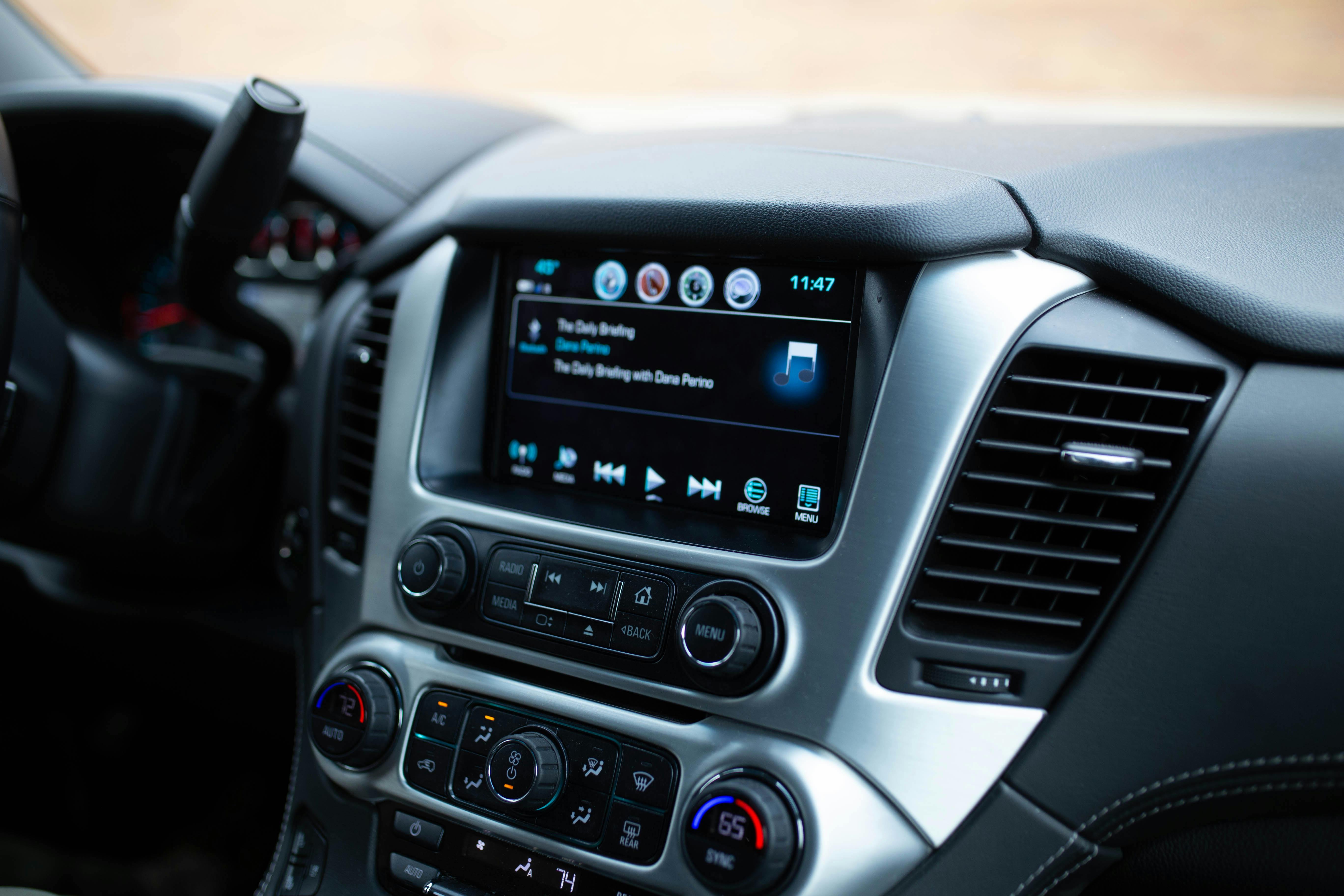
Your GMC Acadia's air-conditioning system should always be there when you need it, ready to deliver cool, dry air to keep you comfortable in the cabin during your New York commute. When your GMC Acadia AC is not working as it should be, you can try a few solutions to get things working again, including resetting it. Read on to learn about troubleshooting and resetting the air conditioner in your GMC Acadia. more NEW GMC ACADIA INVENTORY SERVICE CENTER SCHEDULE SERVICE What Is Air Conditioning, and How Does It Work in Your Vehicle? Your vehicle's air-conditioning system removes heat and humidity from the air to help you cool the cabin. To do this, the air-conditioning system contains a product called refrigerant. Refrigerant can be a fluid or a gas, depending on temperature and pressure, and your air-conditioning system has high-pressure and low-pressure sections. When you turn on the air-conditioning system, the gas refrigerant enters a part called the condenser, which puts pressure on the refrigerant, and the refrigerant becomes very hot. The compressed refrigerant then moves through hoses from the compressor to the condenser. In the condenser, air from outside passes over the air-conditioner hoses, releasing heat from the refrigerant. The refrigerant, now a cool liquid, is filtered and then moves into a low-pressure system. The refrigerant passes through the expansion valve or orifice tube, becoming vaporized. It then absorbs heat from passing air in the evaporator. This cooled air blows into your vehicle's cabin. Causes of Air-Conditioner Problems and How To Tell if It Needs a Repair Once you notice the GMC Acadia AC light blinking, you'll realize that you can't solve all problems with your air-conditioning system by resetting it. If resetting doesn't work, it can be helpful to understand the parts of your air-conditioning system that might have a problem. Several essential components of your air-conditioning system might need to be repaired or replaced. Your vehicle might show different signs depending on which part has a problem. Cabin Air Filter The cabin air filter, which you may also call the pollen filter or microfilter, helps remove contaminants so you can breathe fresh air from your air-conditioning system. Over time, this filter can become dirty. If the filter is dirty, you might particularly notice poorer cooling function. Fixing this problem requires changing the cabin air filter. Evaporator The evaporator is a radiator that supplies cool air. If your evaporator gets dirty, you may notice irregular airflow or a stale smell in the cabin. It can also develop leaks. A mechanic can clean or replace the evaporator. Refrigerant Refrigerant helps keep your engine cool by absorbing heat and delivering it to the condenser. Suppose you don't have enough refrigerant, either because you're due for a refill or because of a leak. In that case, this cooling system is less effective. A mechanic can help you identify the source of any leaks. Condenser The condenser takes the heat your refrigerant absorbs and releases it into the surrounding air. If the condenser gets dirty or full of debris, it may be more difficult for the air-conditioning system to cool your vehicle. You can clean the condenser to fix this problem, but if it's leaking, you should get it checked by a mechanic. Compressor The compressor turns your coolant into a liquid form. If the compressor isn't working, the air from your vents won't be as cool, or you might hear rattling noises. A mechanic can replace a broken compressor. Blend Door Actuator The blend door actuator helps control your air-conditioning system based on your temperature selection in the cabin. You might hear clicks in the dash if there's a problem with your blend door actuator. You may be unable to control the cabin temperature or air flow speed. Blower Motor The blower motor is the fan that moves air through your system. If the blower motor has a problem, you might not get any airflow through the vents, or the flow might be reduced. A mechanic can replace a broken blower motor. Fuse The air-conditioner fuse regulates the electrical current going to your air-conditioner compressor to ensure the compressor doesn't receive excessive current. If the air-conditioner fuse blows, you might have other electrical problems in your vehicle simultaneously. Or, you might have other issues with your air-conditioning system and the blown fuse. Temperature Sensor The temperature sensor monitors and regulates the temperature of the air-conditioner evaporator. If your temperature sensor isn't working correctly, your air-conditioning system might stop blowing cold air or produce changing temperatures. Your air-conditioner compressor might also fail to turn on. When and How To Reset the GMC Acadia's Air Conditioner Sometimes, resetting your air conditioner can fix your problem if it doesn't require replacing parts. Always consult your owner's manual when working on your vehicle. You can try the following steps to reset your air conditioner: To calibrate the GMC Acadia HVAC (heating, ventilation, and air conditioning) system: Remove the HVAC/EACS fuse for at least 10 seconds. Check your owner's manual for the fuse location. Reinstall the HVAC/EACS fuse. Turn on your vehicle, but don't press any buttons or adjust your air-conditioning controls. The control module will take 40 seconds to self-calibrate. After one to two minutes, turn the vehicle off for 10 to 30 seconds, and then restart the vehicle. Check if your air-conditioning controls are working. You can also try other troubleshooting tips, such as ensuring all your vents are open or replacing a dirty air filter. Whether it's a balmy Meadowland summer or any time of year when you could use a cool breeze, your air-conditioning system needs to work correctly. We hope the tips above have been helpful, and if you need further assistance, the team at Meadowland GMC in Carmel, New York, proudly offers certified services. You can schedule service with us online, or feel free to contact us or stop by during our business hours to chat with our team. Our friendly, professional staff can help you get on those New York roads again as quickly and comfortably as possible. Photo Credit: Black 2 Din Car Stereo by Kevin Burnell is licensed with Pexels License

GMC Fluid Checks

When To Get Fluids Changed on the GMC Acadia

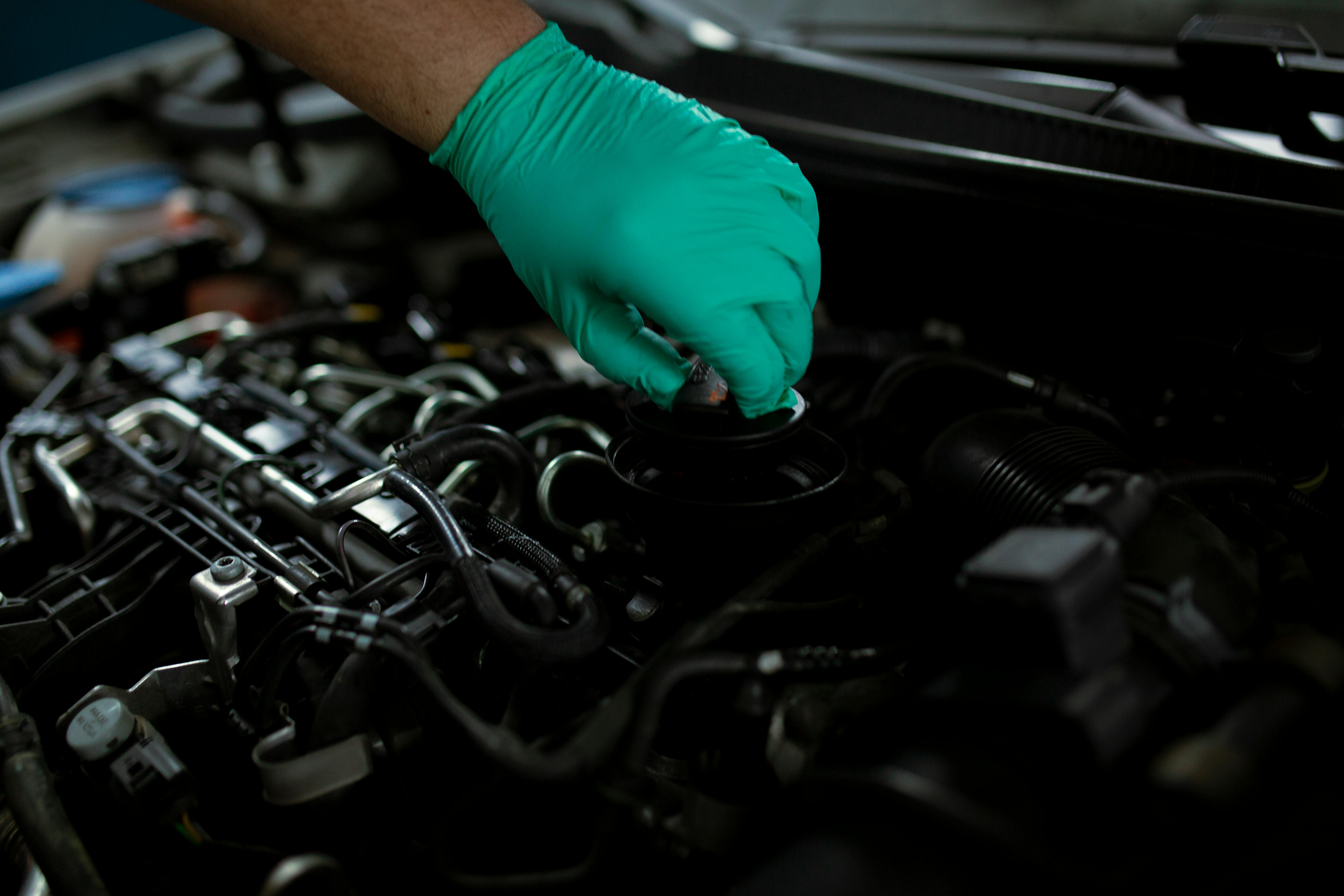
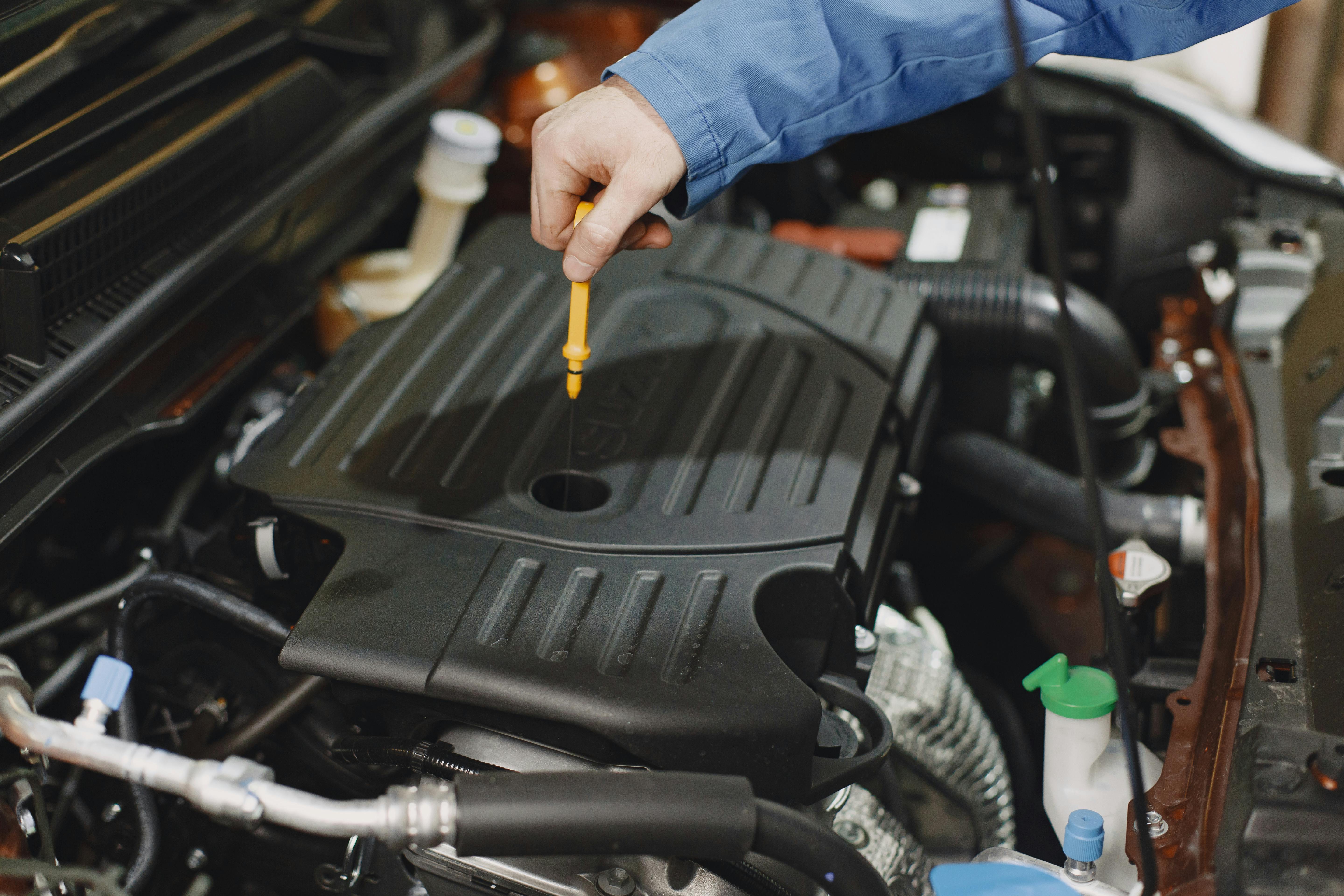
Many people know that changing their vehicle's fluids is part of routine maintenance. But you might wonder what those fluids are and how often they need to be changed in your GMC Acadia. Read on to learn the purpose of your vehicle's fluids, how to know when they need to be changed, and a general schedule for fluid changes. SCHEDULE SERVICE SERVICE CENTER CALL US TODAY! What Are the Vehicle Fluids You May Need To Get Changed? There are several important fluids in your GMC Acadia that help it run smoothly, safely, and comfortably. Found in your engine, transmission, brakes, and other components, the fluids are an essential part of a well-functioning vehicle. These fluids include: Engine oil: Engine oil has the important job of lubricating the moving parts inside of your engine. Transmission fluid: This keeps the various parts of your Acadia's transmission lubricated and works as a hydraulic fluid. Coolant: Coolant protects your engine from temperature extremes and helps keep it clean by preventing corrosion and the buildup of deposits. Brake fluid: This is vital for safe driving. Using hydraulic pressure, brake fluid helps slow or stop your car when you press the brake pedal. Power steering fluid: This is essential in the system that helps you turn the steering wheel more easily. Windshield washer fluid: This fluid sprays onto your windshield to help the wiper blades clean dust and debris away. Why It's Important To Get Your Vehicle Fluids Changed If your vehicle fluids levels become too low or are too old, they may not be as effective as they should be. Here are the consequences of not checking the various fluids: Engine Oil Without enough engine oil, your engine parts can't move smoothly and may get hot from excessive friction. You might smell burning oil or hear loud sounds from under the hood, or your engine could overheat. We offer oil changes with quick, convenient service at our Meadowland dealership. Transmission Fluid Without sufficient fluid, your transmission may not function as it should. For example, your vehicle might have difficulty changing gears or might change gears roughly. You may also hear unusual noises while you drive or notice a delay after pressing the accelerator before your GMC Acadia speeds up. Coolant Signs of low coolant levels include overheating, hot air from the air-conditioning vents, smoke from the engine or exhaust pipe, knocking sounds, and automatic vehicle shutoff. Brake Fluid When your brake fluid is low, you might notice that your brake pedal seems soft, and you have to push harder to apply the brakes. Power Steering Fluid If you don't have enough power steering fluid, it can be difficult to turn the steering wheel. You might even hear noises when turning the wheel. Windshield Washer Fluid Without windshield washer fluid, it can be difficult to clean your windshield while you drive. This can make driving frustrating or impair your ability to see if you've been driving on dusty roads. When To Get Your GMC Acadia's Fluid Changed Typically, the mechanic will check some of your GMC Acadia's fluids at your recommended routine maintenance visits every 7,500-15,000 miles. This type of service visit includes checks on your windshield washer fluid and coolant levels, and a check or change on your oil. After 45,000 miles, all-wheel-drive vehicles may need a transfer case fluid change. Your Acadia's coolant should typically be replaced every 150,000 miles or three years. Your transmission fluid change may depend on how you use your vehicle. Under normal driving conditions, it's best to get a change at around 90,000 miles. “Normal” is based on an estimated 12,000-15,000 miles per year of driving in relatively flat local and highway settings. “Severe” driving conditions are when your vehicle is subject to extreme hot or cold temperatures, long-distance driving, challenging terrain, frequent hills, towing, and off-road use. In this case, your transmission fluid should be changed after 25,000-50,000 miles and will typically be checked at around 45,000 miles. These recommendations might change based on your Acadia's model year. It's always a good idea to check your manual for the specifics, or come in and speak to one of our mechanics. Signs That Your GMC Acadia's Fluids May Need To Be Changed Earlier It's important to pay attention to signs that you may need to change your fluids earlier than at the typical service intervals. You can check many of your vehicle fluids at home, but, for your safety, you should read your manual before checking the levels in your GMC Acadia. Engine Oil You can check your engine oil level by looking at the oil dipstick under the hood. Take the dipstick out and wipe it off, then dip it in the oil again. You'll see marks on the dipstick that indicate the oil fill level, and you'll want to top off the oil if it's getting low. If the engine oil is getting low faster than expected, having your GMC Acadia serviced is a good idea. There could be a problem with leaking or burning oil. Also, check the oil color — it should be yellowish, not brown or black. Transmission Fluid Follow the same process as checking your engine oil, and check the dipstick in the transmission fluid. Coolant To check your coolant levels, open the radiator cap and look inside. You can see the fluid level and check its proximity to the low-level marker. Brake Fluid Remove the fluid cap and look at the fluid level. The top of the fluid should be close to the cap, not farther than about a half inch. The fluid shouldn't be black. Power Steering Fluid Look for the cap labeled steering fluid. You can usually see the fluid level and the minimum and maximum fill marks through the side of the reservoir. Windshield Washer Fluid Look for the cap topped with an image of a windshield wiper. Unscrew the cap, and you can see the fluid level by looking inside. We hope this information about vehicle fluids has been valuable to you. If you're in the Meadowland, New York, area, we're ready to help you check your levels and refill or change any fluids you need. We can also help you with routine maintenance or any other services your vehicle requires here in Meadowland. Just let us know what we can do for you. Photo Credit: A Mechanic Opening the Oil Filler Cap of a Car Engine by Fatih Erden is licensed with Pexels License
GMC Interior

How to Reset the Service StabiliTrak Light in a GMC

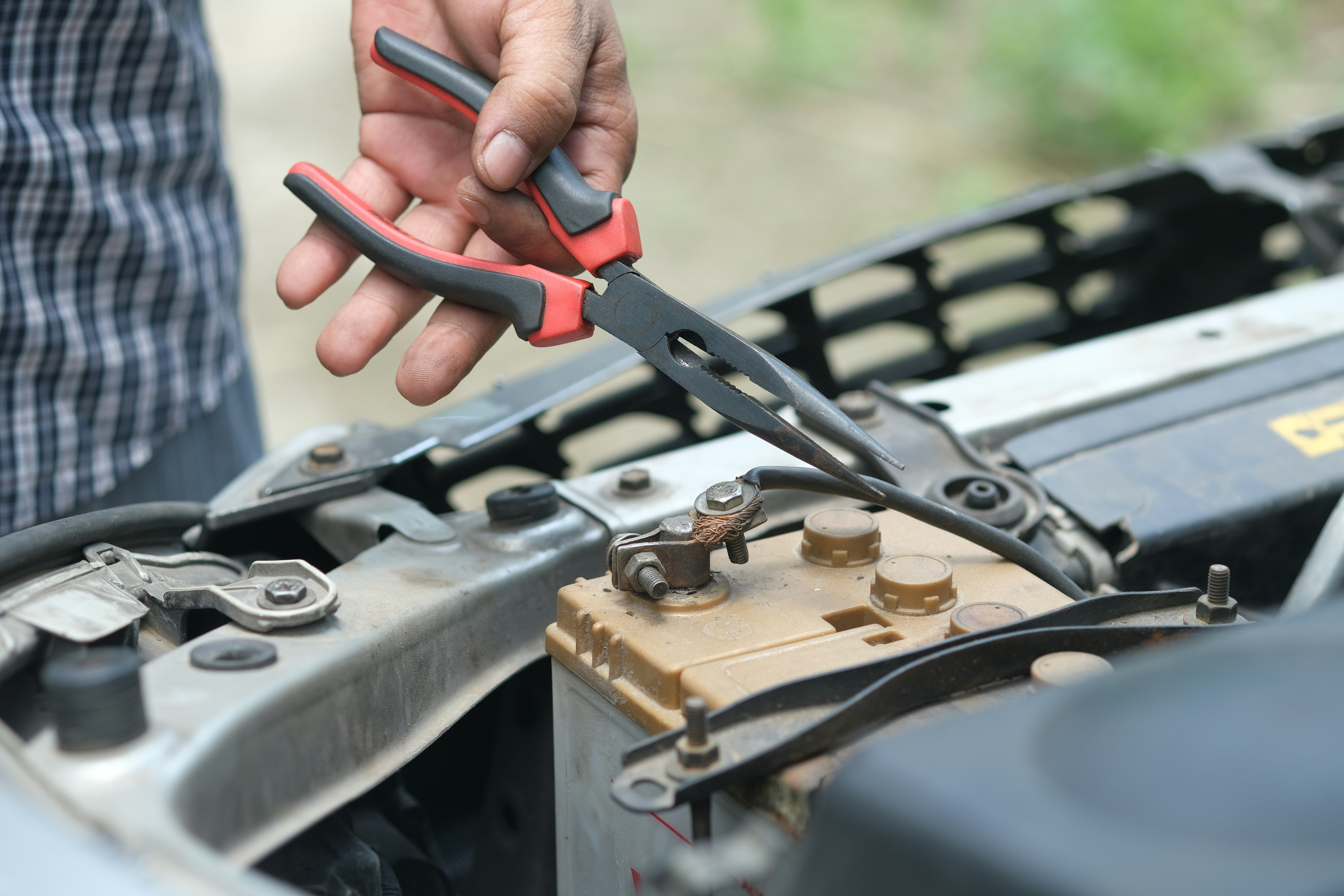
If you're reading this article, you've likely asked yourself recently, "Why is my StabiliTrak and traction control light on?" Warning lights are your vehicle's way of alerting you when something is amiss with its stability or traction control systems. While the underlying issue might be as simple as a minor software glitch, you could have a more serious problem with your vehicle's sensors or modules. In this article, we'll explain what you can do to troubleshoot and reset your StabiliTrak system to resolve simple malfunctions before bringing your vehicle in for a professional evaluation. more NEW GMC INVENTORY SERVICE CENTER SCHEDULE SERVICE What Is StabiliTrak in GMC Vehicles? StabiliTrak is GM's proprietary electronic stability control system that protects drivers and passengers in challenging weather and road conditions. This system works with the traction control system to prevent wheel slippage, correct understeering or oversteering, and help drivers maintain control in low-traction scenarios, such as wet, icy, or uneven roads. StabiliTrak monitors your vehicle's movement using sensors that track steering angle, wheel speed, and direction. When a discrepancy between the driver's intended path and the vehicle's actual motion is detected, the system either reduces the engine's power or applies braking force to each wheel individually. This realigns the vehicle and reduces the risk of skidding or fishtailing. The StabiliTrak system is standard in many GMC models, including newer versions of the Sierra, Yukon, Denali, and Acadia. Common GMC StabiliTrak Issues The StabiliTrak system is a wonderful safety feature when it works. However, like any other advanced part of your GMC vehicle, it can malfunction. If you see a "Service StabiliTrak" warning on your dashboard, it's important to address it promptly. Here are some common issues to be aware of so you can troubleshoot: Difficulty engaging or disengaging StabiliTrak: Difficulty activating or deactivating the StabiliTrak system could indicate a faulty switch or malfunction in the system's electronic components. Impaired cruise control functionality: StabiliTrak and cruise control share many sensors and components, so issues within the system can interfere with cruise control performance, causing it to fail to activate or function correctly. Problems with traction control system activation: Traction control warnings may appear on the dashboard, or the system might not operate as expected. The StabiliTrak system works with the traction control system, so sensor or module malfunctions in one can affect the other. Loss of ABS efficiency: StabiliTrak relies on ABS sensors and modules to function correctly, so malfunctions in these components can compromise both systems. Neglecting service StabiliTrak warnings can lead to decreased vehicle stability, impaired braking performance, and potential safety hazards. If you're experiencing any of these problems, schedule a GMC service for a StabiliTrak reset. Request a diagnostic appointment with our service center today, and we'll help you uncover and repair the issue. You can also keep an eye on our service offers to find the best deal on your next auto maintenance or repair appointment. How To Reset the StabiliTrak System on a GMC Resetting the StabiliTrak system on your GMC vehicle is a straightforward process that often addresses minor glitches and clears error messages. However, before attempting a reset, verify the cause of the warning light and take the necessary safety precautions. Before proceeding, address all potential system issues, such as low brake fluid, incorrect tire pressure, and faulty wiring. Here's a step-by-step guide on how to reset the StabiliTrak on a GMC Sierra using the manual reset process: Put your GMC vehicle in park and turn off the engine. Turn the steering wheel fully clockwise, then fully counterclockwise. Wait 15 seconds, then restart the vehicle. Disconnect the battery if the warning persists. If you have tried the manual reset process as instructed above and the Service StabiliTrak light still comes on, you can try the battery disconnect method: Locate the battery under the hood. Using a wrench or pliers, carefully disconnect the negative terminal. Always begin with the negative terminal to avoid electrical mishaps. Wait 10 minutes to allow the residual electrical charge to dissipate. Reconnect the terminal securely, then restart the vehicle. The system should perform a self-check and clear the warning if no underlying issues remain. For a more precise reset, use an on-board diagnostics scanner compatible with GMC vehicles. Connect the scanner to your vehicle's on-board diagnostics port, usually under the dashboard. Then, follow the scanner's instructions to reset the StabiliTrak system. How To Turn Off GMC's StabiliTrak and Traction Control Follow these simple steps to turn off and disable your GMC's StabiliTrak and traction control systems: Find the traction control button located on your vehicle's dashboard. Push the traction control button briefly to deactivate the traction control system. The StabiliTrak system will stay on. Press and hold the same button for approximately 15 seconds to deactivate the StabiliTrak system and traction control. Press the traction control button to reactivate it and your StabiliTrak system. These systems will turn on again after you turn off and restart your vehicle. Maintain Your GMC's StabiliTrak System With Us If you try the tips we shared above and still find yourself Googling "StabiliTrak service near me," we have you covered. While you can often do minor resets and troubleshooting at home, our professional diagnostics and repairs address more complex issues. Our factory-trained technicians can pinpoint problems, from faulty sensors and low brake fluid to more severe system malfunctions. Are you ready to repair your StabiliTrak? Schedule your auto service with us at Meadowland GMC today, or contact us with questions. Our team is always happy to help you keep your GMC running smoothly. Photo Credit: Gray Terrain by Truck Hardware is licensed with CC BY 2.0

Service Specials

GMC Service Offers - Benefits of Browsing Auto Service Specials

Do you need to get your car maintained near New York? We at Meadowland GMC in Carmel have a professional team of GMC-trained technicians who can take care of your vehicle. Before you reserve your next service appointment, don't forget to check out the service coupons on this page. They could help you save cash on your vehicle's routine maintenance while still relying on the top-class auto repair services offered by our Carmel service department. Feel free to contact our team with any questions about your service needs. Save on Your Auto Maintenance Costs in Carmel We're always updating our service coupons, so it's important to check back often to make sure you catch the best deals. Our incentives cover the full range of car maintenance services, from oil changes to tire rotations, brake work, and battery installations. The offers may include discounts on the labor in our service center, free inspections, or reductions in the price of original equipment manufacturer (OEM) parts from our GMC parts department. We can carry out a multi-point inspection whenever you stop by for a maintenance appointment. These inspections allow one of our professional mechanics to identify potential problems with different parts of your vehicle before they get serious. Our inspections always include different levels of recommendations, including issues that require immediate attention and things that you should monitor and get resolved soon. If something needs dealing with right away, we can take care of it for you. Benefits of Regular Vehicle Maintenance We hope our service coupons will encourage you to carry out regular car maintenance at our Carmel service center. There are many benefits to having your sedan, truck, or SUV examined by a professional auto technician. These regular appointments allow us to handle maintenance tasks that will help your vehicle perform its best in the months and years ahead. These tasks include engine oil and filter changes, fluid top-ups, brake pad replacements, and wheel alignments. Improved performance can mean better fuel economy, nimble handling around corners, and stronger acceleration. For example, when you change your engine oil, you help your engine run more smoothly. The reduced resistance between the engine's components means less energy is required to generate the power needed to accelerate your car, which helps ensure an improved fuel economy. In contrast, a poorly maintained engine with old oil can use up more fuel and suffer more wear and tear. A routine maintenance schedule also gives you a chance to perform preventative maintenance. This is when we take action to resolve a problem, such as a worn brake pad or a damaged hose, before it causes extensive damage to other components. Over the long term, preventative maintenance saves you money because it reduces the risk of expensive repairs. For example, promptly replacing your brake pads is more affordable than paying for new rotors and calipers that have suffered damage because you let your brake pads get completely worn. Routine maintenance is also critical for your safety. Over time, your tires and brake pads wear down, and engine oil deteriorates. Driving a vehicle with worn tires or brake pads can cause an immediate safety hazard, such as preventing you from stopping in time to avoid an accident. If you stick to a maintenance regime, one of our mechanics will be able to let you know when your tires or brake pads are worn, and other key components need replacing. Performing these tasks on time significantly reduces the risks you'll experience when driving on the road. Finally, routine maintenance can benefit you when it comes time to sell your car. Your vehicle may be eligible for a certified pre-owned program if you can prove to the dealership that it has a full maintenance record. Certified pre-owned vehicles typically sell for higher prices, which means more money in your pocket. Even if you sell your car on the private market, you're more likely to get a good offer if your vehicle seems in good condition. Why Service Your Car at Meadowland GMC? Our Carmel service center offers a comfortable area for you to wait while we take care of your vehicle's maintenance needs. Our service technicians work closely with our well-stocked parts department, which has all the components necessary for many typical auto repair tasks. You can buy new engine oil, brake pads, or a new battery to power your car. At our tire center, you can purchase a new set of tires for your vehicle. Our parts center has an online order form you can use to ensure that we've got everything ready for you in advance or if you need to order a specific auto component. A team of professionally trained technicians conducts the work at our service department. Our mechanics undergo regular, thorough training programs, so they're familiar with GMC's full vehicle lineup, from the full-sized Sierra 1500 truck to the Acadia crossover. Our technicians use cutting-edge equipment and the best OEM components to make sure the work they perform on each vehicle is completed to the highest standards. If your car needs more extensive repairs, our finance team can help you cover the cost with one of our service financing deals. These loans can be especially helpful for engine reconditioning, transmission repairs, suspension work, and other complex repair jobs that can be expensive. If we're carrying out a large repair job for you, we can also provide a detailed quote with a breakdown of parts and labor costs so you can see what you're paying for and inform your insurer if necessary. Now that you know more about our service coupons and why auto maintenance is so essential, we hope to see you at our Carmel service center soon. If you have any service-related questions or want to make an appointment, feel free to contact our team. Alternatively, you can use our online booking form to reserve a convenient time slot for your schedule. We're looking forward to taking care of your auto servicing needs so you can get back on the road.

GMC Auto Service

Can regular auto service extend the life of your vehicle?

Consistently bringing your car in for service appointments can help you save money on potential repairs and ensure that all the features in your car continue to perform optimally. As if that weren't enough, regular vehicle service appointments can also help prolong the lifespan of your car. Read on to learn more about the value of always taking your car in for its maintenance checkups. What Is Regular Vehicle Maintenance? Regular vehicle maintenance is a process recommended by most car manufacturing companies and service departments. It involves bringing your car in for a checkup on a regular basis to ensure that all its parts are in good condition and functioning at their best. The frequency of regular vehicle maintenance can vary based on factors like the car's manufacturer and mileage. Most service departments recommend getting your car serviced every six months or for every 5,000 miles you travel. When you bring in your car for a regular service appointment, the staff members at the service shop typically perform the following duties: Checking or increasing the tire pressure. Rotating the tires. Changing the oil and oil filter. Checking or replacing the air filter. Evaluating the quality and amount of other vehicle fluids, including brake, transmission, coolant, and windshield washer fluids. Assessing the belts and hoses in the engine bay. Checking the brakes for their resistance levels and any strange sounds. Eliminating any corrosion on the battery. Most vehicle manufacturing companies also recommend that drivers take their cars in for service appointments when their vehicles reach certain mileage counts, such as 10,000 or 40,000 miles. For instance, your vehicle might benefit from getting various parts — like its steering knuckles or propeller shafts — lubricated every 10,000 miles. Take the time to review your car owner's manual or talk to a specialist at your car dealership or service center if you have any questions about how often you should take your vehicle in for maintenance. What Are the Benefits of Regular Maintenance? When you take your car in for regular service appointments, both your car and your wallet will thank you later. Getting consistent service appointments can provide car owners with lots of great benefits, such as: Spend Less on Repairs Car repairs can be costly. Whether you need to get your brakes fixed or buy a new engine, these repairs or replacements are often several hundred dollars or more. In comparison, consistent maintenance appointments typically cost much less. Reduce Fuel Costs Regular car service appointments can also save you money at the pump. A well-serviced car can more effectively use every bit of gas within its fuel tank. By contrast, a car in need of a maintenance checkup typically has a less efficient fuel economy, so you might end up paying more for gasoline. Save Time Vehicle repairs aren't only costly but time-consuming too. When your car needs repairs, it sometimes gets stuck at a maintenance shop overnight or even for multiple days or weeks, depending on how complex the fixes are. For people who rely on their cars for transportation, having a car stuck in an auto shop can cause more time spent using public transport or walking. How Can Regular Vehicle Maintenance Help the Life Span of Your Car? Whether you want to own your car for its entire life or sell it in a couple of years, it's a good idea to do your part to give your car the regular maintenance it needs. Taking the time to get your vehicle in for regular maintenance checkups can help prolong its longevity. Here are the fundamental ways that consistent service appointments may be able to lengthen the lifespan of your car: Minimize Repairs When you consistently bring in your car for maintenance checks, you can limit the number of potential issues with your vehicle that could grow into larger problems. Whether those issues are with the tread on your tires or the battery power, this can help reduce the number of repairs your car needs. Your car is also less likely to break down on the side of the road if you bring it in for regular service appointments. Optimize Performance Bringing in your car for maintenance helps ensure that all the components of your vehicle remain in excellent condition, which can optimize the performance of your car. For instance, regularly changing your vehicle's oil helps to keep the substance viscous, meaning that it has a thick and sticky consistency. Less viscous oil builds up condensation, which makes your engine operate more slowly. Making sure to change out your oil every six months, after you drive another 5,000 miles, or based on a different piece of advice from your car's manufacturer can help contribute to your car's overall power and efficiency. Improve Safety A key part of car maintenance checks is examining all features that help your car keep you, your passengers, fellow drivers, and pedestrians safe. During car service appointments, experienced technicians and mechanics look at your vehicle's brakes, engine, tires, and other essential features that can protect you while on the road. In the long run, it's usually safer to perform maintenance or replace these parts as needed to increase the vehicle's safety and, in turn, its longevity. Optimize Car Value If you're interested in eventually selling your car or you have a leased car, it's important to know that getting regular service appointments can optimize the value of your vehicle. If you take your car in for consistent maintenance, you might be able to sell it for a good price down the road, as a well-maintained vehicle can have a higher value than less well-maintained vehicles of the same make and year. Similarly, bringing your car in for regular service appointments is a good idea for those who are currently leasing a vehicle. Depending on factors like the terms of your lease agreement, the car's value at the end of your lease agreement might change. If the car's value ends up being more than the initially anticipated amount, you could get a refund. We hope that you've enjoyed learning more about the various ways that getting regular car services can prolong your vehicle's life span. Do you have other tips for how to make your vehicle last as long as possible? Let us know in the comments section of this blog. And if you have a question about car maintenance sessions or would like to book a service appointment, feel free to fill out our online form or make an appointment now. Photo Credit: Image by Towfiqu barbhuiya is licensed by Unsplash License

GMC Sierra HD interior

How To Tell if Your AC Needs More Refrigerant

Summer has arrived, and with it, the warm weather. The heat makes for great beach days, waterpark fun, and poolside barbecues. Staying cool and having fun is the name of the game. However, that's hard to do when your car's air conditioner (AC) malfunctions. Various problems can stop your AC from working correctly. With that in mind, we had our AC experts explain how your car's AC works and compile a list of warning signs that it might need some help. SCHEDULE SERVICE SERVICE CENTER CALL US TODAY! Why Is My Car Not Cooling Down? Vehicle air conditioners employ a complex process to cool the air inside your car. The process involves a chemical reaction with a gaseous refrigerant called freon. Your car's AC compresses the freon, increasing its temperature. Next, the AC pumps the hot freon through cooling coils that turn it from a gas into a liquid. The liquid then moves through the system, evaporating in a series of coils and getting extremely cold. The fan system in your car pumps the warm air through these freezing coils, cooling it and returning it to the cabin. The warm air passing through the cold coils causes the freon to heat. This, therefore, requires a constant circulation of freon to maintain cool temperatures inside your vehicle. So, you have two systems constantly working to keep your AC running. Unfortunately, things can go wrong with all these moving parts, leading to the failure of your AC and your car not cooling down. Signs That Your Car Needs Its AC Refrigerant Replaced Fortunately, attentive drivers can spot the warning signs of a failing AC unit if they know what to look for. Gradual Reduction of Cold Air If your AC never produces cold air, you have a problem. Leaks in the AC system occur over time. Even a minor collision could knock something loose or cause a part to break. Small leaks over time cause the freon level to drop, and less freon results in not enough cool air for maximum performance. As a result, if you have a small leak, you'll notice gradual warming of the air. Abrupt Loss of Cold Air If one day you have cold air and the next none, you could have a large leak, usually resulting from a failed part. Or, you could have a more severe problem with your AC unit. We recommend you bring your car in for service if this happens. Then, our expert technicians can quickly diagnose and fix the problem. Air Conditioning Clutch Malfunction Your AC unit uses a clutch to engage the system and create pressure. When you turn on your AC unit, you should hear the clutch engage with a noticeable click. If you don't hear that and get warm air, you could have a problem with the clutch. The clutch requires freon in the system to engage. Therefore, your clutch not engaging doesn't always mean failure. You might simply need more freon. Compressor Failure Your AC system relies on pressure to compress the freon from a gas into a liquid. A failed compressor can result in warm air flowing through your AC system. A failed compressor doesn't happen often, but it can occur. Visible Leaks A visible freon leak means you have a more serious problem. Freon appears as a thin liquid with a greasy texture. You'll often spot leaks around the compressor and pooling under the vehicle. In rare cases, freon can even leak into the cabin. We suggest you have our service center technicians inspect your AC system if you spot a leak. Does Your AC Break More Easily in the Summer? Our customers often bemoan their misfortune when their car's AC fails at an inopportune time in the heat of summer. There are several reasons your car's AC may break more easily in the summer. Most importantly, usage of your AC system rises as the temperatures climb. The more we use a piece of equipment, the more wear and tear that item experiences. Eventually, this can lead to a breakdown. Unfortunately, this happens when you need the AC most. It's also the case that you don't use your AC much in the winter. It can't break down if it's not used. Recharging Your AC Unit We always recommend you have a professional mechanic perform repairs and maintenance. Having a certified technician recharge your AC ensures the job gets done right. Our service department can quickly recharge your AC unit and get you back to your busy life. However, we respect DIY people and want to help in any way we can. If you enjoy performing routine services, such as recharging your car's AC, we encourage you to take advantage of our expertise. Our parts center technicians can help you identify the correct parts and even sell you any special tools you might need to get the job done right. In addition, you can conveniently order parts online, and we'll have them ready for you when you arrive. How Often Should You Replace or Recharge Your Freon? No precise answer exists for this question since it depends on the frequency of use and unpredictable circumstances like leaks. We suggest you recharge your freon when you notice a drop in cooling ability. Once recharged, your AC unit will cool the air more quickly. Ignoring the issue could lead to more serious problems, as running your AC with no freon in the system can cause significant damage to the compressor. The cost of replacing your AC compressor can exceed $1,000. Compared to the low cost of recharging, it only makes sense to keep the freon charge. We understand how much you rely on your AC in the summer months at Meadowland GMC. That's why we recommend you recharge your AC unit before the season. However, if you experience a drop in cooling performance at any time this summer, we invite you to schedule a service online. Our factory-certified technicians will inspect your AC unit to determine the cause of poor performance. Your technician will explain the problem and outline the process to fix it, including a detailed cost breakdown. Photo Credits: 2020 GMC Sierra with custom fit offset Gatorback flaps with stainless GMC logo by Truck Hardware is licensed with CC BY 2.0

GMC Odometer

Top 5 Auto Service Mistakes People Make

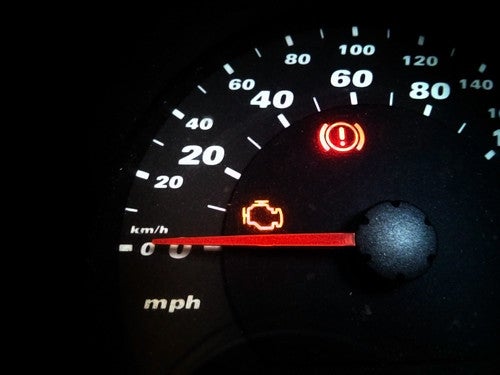
Neglecting necessary maintenance or ignoring warning signs of something amiss can lead to being stranded or needing significant repairs to correct an issue that could have been easier to remedy if caught early. Deferred maintenance can also lead to accidents. While today's modern vehicles are more complex, there are maintenance checks and other ways all drivers can detect potential issues. Dealerships encounter many issues that stem from a lack of maintenance or ignored warning signs. Find out about the top five maintenance mistakes and how to handle those issues or prevent them from happening. Proper maintenance is a combination of do-it-yourself tasks and relying on a professional. Not Maintaining the Correct Fluid Levels On by Chris Isherwood is licensed with CC BY-SA 2.0 Significant engine damage can occur if oil and coolant levels aren't monitored. Slow leaks of oil or coolant may not be apparent, but they can deplete the amount of fluid to unsafe levels over time. Transmission fluid levels that are too low can also lead to significant damage. Power steering fluid loss can lead to poor steering performance and cause damage to the power steering pump and other components over time. Like power steering fluid, brake fluid levels that are too low can lead to poor performance or failure. Low brake fluid usually indicates worn brakes or a leak. Watch for unusual leaks under your vehicle, suspicious smells like oil that may leak onto the exhaust system, or a sweet smell from leaking coolant. Follow your owner's manual for checking oil, coolant, transmission fluid, brake fluid, and power steering fluid levels. Neglecting Your Brakes and Tires Not paying attention to the parts of your car that are essential to make it stop and go can lead to safety issues and costly repairs. Brakes and tires must be in good shape to maintain your vehicle's safe operation. There are signs of potential issues you can often spot when driving and problems you can see when inspecting your car. Excessively worn brakes can lead to poor stopping ability or failure, steering issues, and damage to other components. Worn brake pads or shoes can lead to damaged rotors and drums, as well as the loss of hydraulic systems. Catching worn parts before they lead to further damage can save money and prevent unsafe operating conditions. A squeaking noise or grinding when braking, a brake pedal that pulsates or goes too far to the floor, pulling to one side, or other unusual behavior are all signs that can indicate worn brakes. Changes in brake performance should be investigated promptly. Neglected tires can lead to blowouts, poor steering, and reduced gas mileage. Watch for wobbly or uneven performance that could indicate worn tires. Be sure to have tires rotated as recommended by your owner's manual and keep your tires properly inflated. Watch for wear like thinning tread or cracks, as well as bulges on the track or sidewalls. Ignoring Warning Lights on Your Dashboard Ignoring red warning lights on your dash can lead to extensive damage or even being stranded. Overheated engines, low oil pressure, and battery lights merit immediate attention. Overheated engines can lead to catastrophic engine failure. Coolant loss from a broken hose, bad water pump, cracked radiator, or other culprits can cause the temperature gauge to reach H. Continuing to drive with a temperature warning light on can make a minor repair become an engine replacement. Low oil pressure can quickly lead to extensive damage as well. Oil loss, oil pump failure, and other issues can keep oil from lubricating your engine and lead to extensive damage. While a battery light doesn't mean extensive damage could occur, it does indicate an alternator, battery, or electrical issue that could soon leave you stranded. A failing alternator can cause a breakdown in a short time. Brake warning lights may indicate low brake fluid caused by a leak. Other lights, like the Check Engine light, don't indicate an emergency but rather flag an issue that should be dealt with soon. Such lights may also indicate problems with tire pressure, air bags, antilock braking systems, and other components. Skipping Routine Maintenance As recommended by the manufacturer, neglecting regular maintenance is a common culprit behind extensive repairs. Waiting too long between oil changes can lead to extensive damage, as oil gets dirty and loses its lubricating properties over time. Oil levels can also drop to unsafe levels. Regular oil changes are an excellent opportunity to have multi-point inspections done, tires rotated, and issues addressed. Check your owner's manual for other recommended maintenance, including transmission fluid and filter changes, air and cabin filter replacement, brake fluid replacement, and other services. DIY Attempts With Inferior or Incorrect Parts While proper car maintenance is a DIY endeavor, some repairs are best left to a qualified professional. It's good to develop knowledge about how your car's systems function and troubleshoot potential issues, but analyzing and determining what needs to be done is often difficult. A DIY-er could inadvertently replace functioning parts, mechanics may have extra work correcting incomplete or incorrectly done repairs, and they may have additional damage to correct. Instead of driving to the shop, failed repairs could mean calling a tow truck. Trying to cut corners by biting off more than you can chew on a repair or not getting the correct part can lead to performance issues, safety problems, or further damage. Some repairs require specialized knowledge and tools, especially on today's high-tech vehicles. Consult the owner's manual, repair manual, or other reliable sources before attempting DIY maintenance or repair work. Consult Meadowland of Carmel Following recommended maintenance is an excellent way to avoid these five top maintenance mistakes. Proper vehicle maintenance begins with the owner, making sure recommended maintenance is done and watching for any potential issues that could lead to breakdowns or safety risks. Meadowland GMC of Carmel can help keep your vehicle in top shape by handling recommended maintenance and making repairs promptly in its fully equipped service center. Contact us for expert advice, maintenance, and repairs. You can find us at 1952 Route 6 in Carmel, New York, or reach our service department at 845-208-0575, or use our convenient online form to schedule an appointment.

Oil Change Offers in Carmel, NY

Whether you have a new or used car, car maintenance is essential for extending its lifespan and ensuring your safety. However, frequent car maintenance tasks like oil changes and tire rotations can add up. At Meadowland GMC, our team works hard to put together good deals and service packages to make car maintenance easier and more budget-friendly. Keep scrolling to see our oil change packages, tips about changing your oil, and how our team can help you keep your car in the safe driving condition through regular automotive service. Enjoy a Discount on Your Next Oil Change with Coupons from Meadowland GMC Getting your oil changed consistently is an important part of getting excellent mileage, keeping your car in reliable driving condition, and extending the life of your vehicle. Make your next oil change easier with these special offers from the repair and servicing team at Meadowland GMC: 8-Quart Oil Change Package for $99.95 We offer a premium oil change and tire rotation package for just $99.95. This includes an 8-Quart ACDelco GM OE dexos1® Full Synthetic Oil change for vehicles with gasoline engines. Our team will help you select the correct grade based on your vehicle's make and model. This service also includes tire balancing for a smoother ride. 6-Quart Oil Change Package for $89.95 We offer the same five-star service package for smaller vehicles with 6-quart systems. Enjoy a convenient oil change with 6-Quart ACDelco GM OE dexos1® Full Synthetic Oil and a tire rotation. How Often Should You Change Your Car's Oil? Traditional wisdom recommends an oil change every three months or approximately every 3,000 miles, but these estimates are based on outdated oil types and predictive models. Instead, shift your time frame to get an oil change every 10,000 miles; depending on how often you drive, this may be every six, nine, or even 12 months. How frequently your car needs new oil depends on your car's make and model, the type of oil it has, and your monthly mileage. Contact our team today for help determining how often you should have your car's oil changed. What You Need to Know About Getting Your Car's Oil Change Choosing the right oil is just as important as getting your oil changed frequently. Check your manufacturer's guide or reach out to our team for assistance finding the right oil grade and material options for your car's make and model. At Meadowland GMC, we offer standard and discounted oil change services with these three oil options: Conventional Oil ACDelco's Gold Conventional Oil is a standard oil that features a custom blend of additives that ensure smoother engine performance, less risk of system corrosion, and protection against engine wear. Synthetic Oil We offer two types of synthetic oil through our in-house oil changing services: ACDelco dexos1 Full Synthetic Oil. With its excellent resistance to oxidation and sludge buildup, the oil lasts longer and degrades more slowly. It can also handle cold startups because of its low viscosity at cold temperatures, making it an excellent choice for your autumn or winter oil change. Mobil 1 Full Synthetic Oil. This oil offers high-temperature stability, resistance to wear and sludge, and more. It also provides plenty of wear protection and lubrication during cold startups in any season. How to Save Money on Oil Changes for Your Vehicle Compare the efficiency or mileage of different oils. Generally, synthetic oils last longer than conventional oils in your car's engine. Also, every oil brand is slightly different, and they come at various price points. Some synthetic oils offer performance for between 3000 and 5000 miles, while others can last up to 20,000 miles but may cost extra due to that long lifespan. When trying to find a budget-friendly oil, consider both the price tag and the duration. Ask us about deals and long-term packages. Inquire about what deals you can receive, both for one-off oil changes and for long-term programs or comprehensive packages. Not only is this a great way to save money, but comprehensive services help extend the lifespan of your car overall. Track your mileage. When you get your oil changed, you may get a window sticker estimating when your next visit should be. However, your mileage can vary significantly from the anticipated average. Keeping track of your mileage from your latest oil change will help you determine when the right moment is for new oil. Don't wait until the last minute. Putting off your following oil change might save you money in the short term by shifting the bill, but it can easily cost you more in the long run. Oil degrades over time. The upper limit of its lifespan isn't when the oil starts to degrade; it's when the degradation is too big of a risk. Pushing back your routine oil changes can lead to excessive engine wear, poor pumpability, and corrosion. Who We Are at Meadowland GMC Meadowland GMC is your premier GMC dealership in Carmel, New York. We offer friendly customer support and a wide selection of new and used vehicles. Visit our location at 1952 Route 6, Carmel, NY,  to see our showroom, shop for new or pre-owned vehicles, or request parts and service. Our service and repair shop offers: Multi-Point Vehicle Inspections Tire Rotation Oil Changes General Maintenance Tires Brake Repair and Replacement Battery Assistance And More You can schedule maintenance and repair services to keep your car in excellent driving condition season after season through our online portal. Visit Us for Your Next Oil Change! Our Carmel dealership location is conveniently situated near Poughkeepsie and White Plains. Swing by for an oil change or schedule an appointment online at your convenience. Our team of trained technicians is here to help change your oil with the right product for your vehicle. If you have any questions, don't hesitate to contact our Service Department at 845-228-8465.

Contact Us

Fill out this form below and we'll contact you shortly
*Required Fields