



Blog / Service Tips

When To Get Fluids Changed on the GMC Acadia

GMC Fluid Checks

Many people know that changing their vehicle's fluids is part of routine maintenance. But you might wonder what those fluids are and how often they need to be changed in your GMC Acadia. Read on to learn the purpose of your vehicle's fluids, how to know when they need to be changed, and a general schedule for fluid changes.

What Are the Vehicle Fluids You May Need To Get Changed?

There are several important fluids in your GMC Acadia that help it run smoothly, safely, and comfortably. Found in your engine, transmission, brakes, and other components, the fluids are an essential part of a well-functioning vehicle. These fluids include:

  • Engine oil: Engine oil has the important job of lubricating the moving parts inside of your engine.
  • Transmission fluid: This keeps the various parts of your Acadia's transmission lubricated and works as a hydraulic fluid.
  • Coolant: Coolant protects your engine from temperature extremes and helps keep it clean by preventing corrosion and the buildup of deposits.
  • Brake fluid: This is vital for safe driving. Using hydraulic pressure, brake fluid helps slow or stop your car when you press the brake pedal.
  • Power steering fluid: This is essential in the system that helps you turn the steering wheel more easily.
  • Windshield washer fluid: This fluid sprays onto your windshield to help the wiper blades clean dust and debris away.

Why It's Important To Get Your Vehicle Fluids Changed

If your vehicle fluids levels become too low or are too old, they may not be as effective as they should be. Here are the consequences of not checking the various fluids:

Engine Oil

Without enough engine oil, your engine parts can't move smoothly and may get hot from excessive friction. You might smell burning oil or hear loud sounds from under the hood, or your engine could overheat. We offer oil changes with quick, convenient service at our Meadowland dealership.

Transmission Fluid

Without sufficient fluid, your transmission may not function as it should. For example, your vehicle might have difficulty changing gears or might change gears roughly. You may also hear unusual noises while you drive or notice a delay after pressing the accelerator before your GMC Acadia speeds up.

Coolant

Signs of low coolant levels include overheating, hot air from the air-conditioning vents, smoke from the engine or exhaust pipe, knocking sounds, and automatic vehicle shutoff.

Brake Fluid

When your brake fluid is low, you might notice that your brake pedal seems soft, and you have to push harder to apply the brakes.

Power Steering Fluid

If you don't have enough power steering fluid, it can be difficult to turn the steering wheel. You might even hear noises when turning the wheel.

Windshield Washer Fluid

Without windshield washer fluid, it can be difficult to clean your windshield while you drive. This can make driving frustrating or impair your ability to see if you've been driving on dusty roads.

When To Get Your GMC Acadia's Fluid Changed

Typically, the mechanic will check some of your GMC Acadia's fluids at your recommended routine maintenance visits every 7,500-15,000 miles. This type of service visit includes checks on your windshield washer fluid and coolant levels, and a check or change on your oil. After 45,000 miles, all-wheel-drive vehicles may need a transfer case fluid change. Your Acadia's coolant should typically be replaced every 150,000 miles or three years.

Your transmission fluid change may depend on how you use your vehicle. Under normal driving conditions, it's best to get a change at around 90,000 miles. “Normal” is based on an estimated 12,000-15,000 miles per year of driving in relatively flat local and highway settings. “Severe” driving conditions are when your vehicle is subject to extreme hot or cold temperatures, long-distance driving, challenging terrain, frequent hills, towing, and off-road use. In this case, your transmission fluid should be changed after 25,000-50,000 miles and will typically be checked at around 45,000 miles.

These recommendations might change based on your Acadia's model year. It's always a good idea to check your manual for the specifics, or come in and speak to one of our mechanics.

Signs That Your GMC Acadia's Fluids May Need To Be Changed Earlier

It's important to pay attention to signs that you may need to change your fluids earlier than at the typical service intervals. You can check many of your vehicle fluids at home, but, for your safety, you should read your manual before checking the levels in your GMC Acadia.

Engine Oil

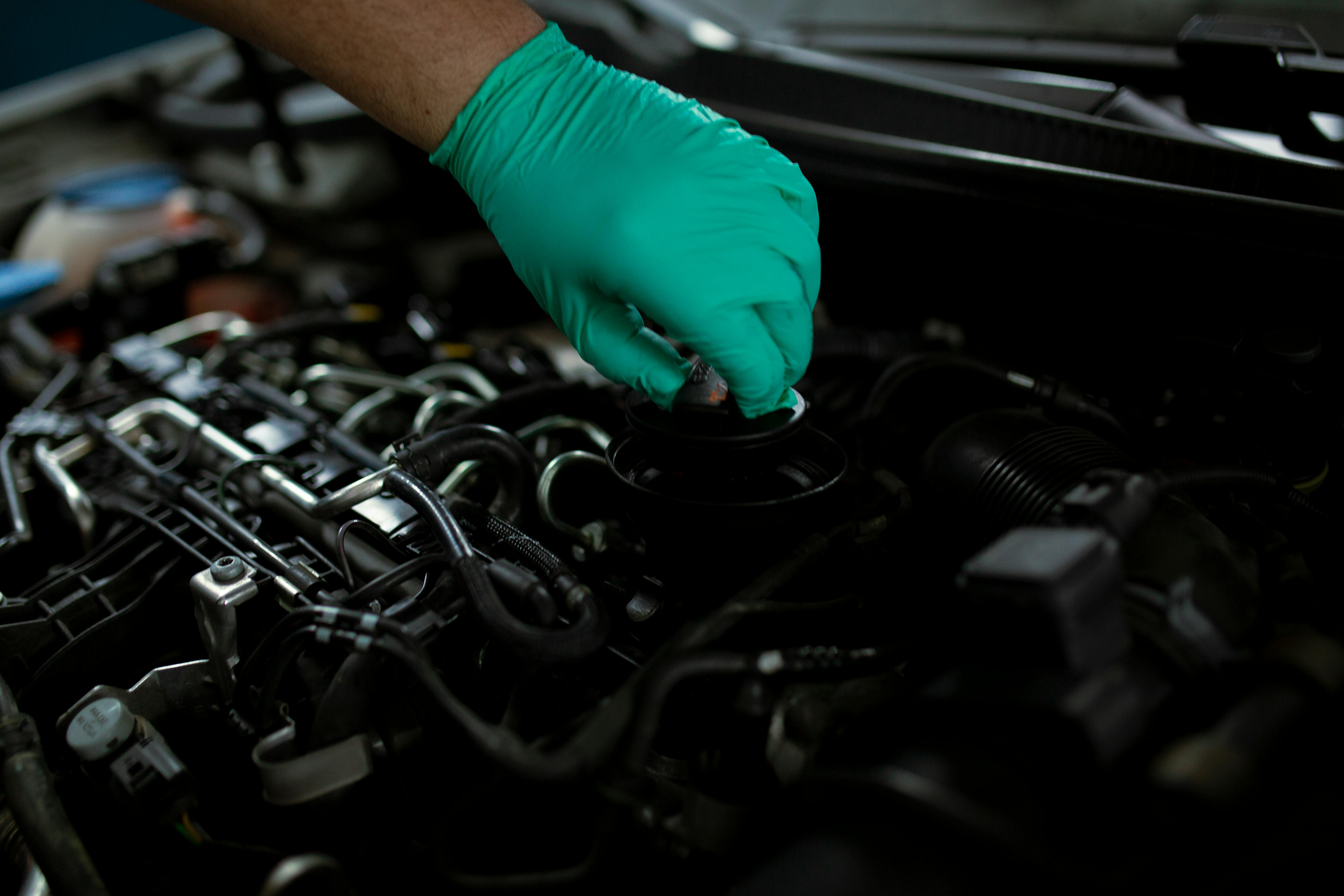
You can check your engine oil level by looking at the oil dipstick under the hood. Take the dipstick out and wipe it off, then dip it in the oil again. You'll see marks on the dipstick that indicate the oil fill level, and you'll want to top off the oil if it's getting low. If the engine oil is getting low faster than expected, having your GMC Acadia serviced is a good idea. There could be a problem with leaking or burning oil. Also, check the oil color — it should be yellowish, not brown or black.

Transmission Fluid

Follow the same process as checking your engine oil, and check the dipstick in the transmission fluid.

Coolant

To check your coolant levels, open the radiator cap and look inside. You can see the fluid level and check its proximity to the low-level marker.

Brake Fluid

Remove the fluid cap and look at the fluid level. The top of the fluid should be close to the cap, not farther than about a half inch. The fluid shouldn't be black.

Power Steering Fluid

Look for the cap labeled steering fluid. You can usually see the fluid level and the minimum and maximum fill marks through the side of the reservoir.

Windshield Washer Fluid

Look for the cap topped with an image of a windshield wiper. Unscrew the cap, and you can see the fluid level by looking inside.

We hope this information about vehicle fluids has been valuable to you. If you're in the Meadowland, New York, area, we're ready to help you check your levels and refill or change any fluids you need. We can also help you with routine maintenance or any other services your vehicle requires here in Meadowland. Just let us know what we can do for you.

Photo Credit: A Mechanic Opening the Oil Filler Cap of a Car Engine by Fatih Erden is licensed with Pexels License

Posted in:

Related Posts

Man on phone next to GMC yukon

GMC Maintenance Schedule: Optimize Your Vehicle's Performance and Longevity

Regular maintenance is essential for keeping your GMC vehicle running at its best. Following GMC's recommended service schedule helps prevent costly repairs, maintains warranty coverage, and extends your vehicle's life span. Your GMC should receive service every 7,500 miles or once yearly, whichever comes first. This comprehensive guide covers everything you need to know about maintaining your vehicle, including the GMC service schedule and model-specific requirements. more SERVICE CENTER SCHEDULE SERVICE CALL US TODAY! General Recommendations for All Models All GMC models require consistent maintenance to perform reliably. Regular oil changes using the manufacturer-specified oil type are fundamental to engine health. Tire rotations and pressure checks help ensure even wear and optimal fuel efficiency. The brake system needs regular inspections to maintain safety and performance. Routine maintenance also includes checking all fluid levels: coolant, brake fluid, and power steering fluid. The air filter should be replaced according to the maintenance schedule, while the battery needs regular inspections to prevent unexpected failures. Safety inspections and checking the belts and hoses for wear help identify potential issues before they become serious problems. Regular leak inspections and proper wiper blade maintenance are essential for basic GMC upkeep. These tasks help prevent serious issues and ensure smooth vehicle operation. Detailed Breakdown by Mileage Intervals At 7,500 miles or 12 months, your GMC needs an oil and filter change, tire rotation, brake pad inspection, and engine air filter checks. The 22,500-mile service adds several essential tasks. Beyond the standard 7,500-mile maintenance items, technicians will replace the passenger cabin air filter and inspect the brake system more thoroughly. At 45,000 miles, your GMC requires more comprehensive service, including oil and filter changes, tire rotation, and cabin air filter replacement. Technicians will inspect the evaporative control system, replace the engine air cleaner filter, and check the brake and clutch fluid levels. Four-wheel-drive vehicles need transfer case fluid changes at this interval. The service also includes inspecting the spark plugs and wires. The 150,000-mile service involves significant maintenance items. The cooling system requires drainage and fresh coolant. Technicians will thoroughly inspect the condition of all accessory drive belts to prevent unexpected failures. Model-Specific Schedules Different GMC models have specific maintenance requirements based on their design and use. The GMC Sierra, with its powerful engines and towing capabilities, may need more frequent fluid checks and changes when used for heavy pulling. The GMC Terrain and Acadia, popular family vehicles, require regular attention to their advanced safety systems and comfort features. The GMC Yukon, with its larger engine and sophisticated features, has unique maintenance needs related to its size and complexity. Each model's maintenance schedule considers engine type, drivetrain configuration, and typical use patterns. While basic maintenance tasks remain similar across the GMC lineup, specific requirements vary by model year and features. Your owner's manual provides detailed information for your particular vehicle. Benefits of Adhering to GMC's Maintenance Schedule Following GMC's maintenance recommendations delivers multiple benefits: Your vehicle will perform better and use fuel more efficiently. Regular maintenance significantly extends your GMC's longevity and helps maintain its resale value. Proper maintenance reduces the likelihood of unexpected breakdowns and expensive repairs. Safety improves with regular maintenance as technicians can spot and address potential issues early. Following the recommended service schedule validates your warranty, protecting your investment. The Role of Warranty in Maintenance — What's Covered vs. Out-Of-Pocket Expenses A warranty covers defects or damage from regular use that affect safety, reliability, or roadworthiness within the specified coverage period, excluding normal wear and tear. GMC offers several warranty protection plans. GMC offers a bumper-to-bumper limited warranty for three years or 36,000 miles. This warranty covers parts and labor for repairs resulting from material or quality defects. It includes tire defects unrelated to normal wear and provides towing to the nearest dealer for warranty repairs. It doesn't cover routine maintenance, everyday wear, or damage caused by accidents, misuse, or modifications. The powertrain limited warranty covers essential engine, transmission, and drive system components for up to five years or 60,000 miles. It excludes sensors, wiring, radiators, hoses, and coolant. Corrosion protection lasts three years or 36,000 miles. Rust-through protection continues for six years or 100,000 miles, covering all body and sheet metal components. While warranty coverage is comprehensive, routine maintenance typically is your responsibility. However, GMC offers additional protection plans in addition to the limited warranty, which includes multiple coverage options. Tips for GMC Owners on Maintenance Best Practices Maintaining detailed service records helps track your vehicle's maintenance history and supports warranty claims. Pay attention to dashboard warning lights and unusual sounds, which often signal developing problems. Using genuine GMC parts helps maintain your vehicle's performance and reliability. Consider seasonal maintenance needs, such as checking your battery before winter or ensuring proper coolant levels for summer. Building a relationship with a trusted GMC service center ensures consistent, quality care for your vehicle. DIY Maintenance Tips for Simple Tasks You can perform several maintenance tasks at home: Level checks for oil, coolant, and windshield washer fluid Proper tire pressure maintenance Windshield wiper inspections and replacements Air filter inspections and battery connection checks Always consult your owner's manual for proper procedures and specifications before attempting any maintenance task. Signs It's Time for Professional Service Watch for these warning signs indicating the need for professional service: Unusual engine noises, such as knocking or ticking Vibrations while driving Decreased fuel efficiency Difficulty starting the vehicle Illuminated dashboard warning lights Unusual odors, particularly burning smells or exhaust odors in the cabin Fluid leaks under your vehicle Keep Your GMC in Top Condition with Meadowland GMC Our Meadowland GMC dealership in Carmel, New York, offers comprehensive maintenance and repair services. Our certified technicians adhere to GMC service plans, which include oil changes and tire rotations, as well as advanced diagnostic and repair services. We use genuine GMC parts to maintain your vehicle's performance and reliability. Schedule your next maintenance today, or visit our Meadowland GMC service center and take advantage of our special offers. Our certified technicians are ready to provide the expert care your GMC deserves. Image from gmc.com

a close up of a tire on a car

How Often Should I Replace My Tires?

Ensuring that your vehicle's tires are in good condition is important for safety and performance on the road. But how often should you replace the tires? In this guide, our team at Meadowland GMC will explore the signs of tire wear, how to maintain your tires, and how often to replace them to keep your car running smoothly. more SCHEDULE SERVICE SERVICE CENTER CALL US TODAY! a close up of a tire on a car by Tristan Beischel @Autoily.com is licensed with Unsplash License The Importance of Regular Tire Checks Regular tire checks are important to ensure your tires are performing as they should. These inspections help catch potential issues before they escalate, such as low tread depth, uneven wear, or punctures. Ideally, you should check your tires once a month and before long road trips. Keeping an eye on the condition of your tires could save you from a sudden blowout, which could be dangerous on the road. How To Determine if You Need New Tires Knowing when to replace tires depends on several factors, including tread wear, age, and mileage. While many people focus on how much tread remains, tire age and overall condition are equally important. Tread Depth: The Critical Indicator Tread depth is one of the most reliable indicators of when to change tires. Tires are considered unsafe and should be replaced once the tread wears down to 2/32 of an inch. An easy way to test this is with a penny. Put a penny into the tread groove with Lincoln's head facing down. If you can see the top of his head, your tire tread is too low, and it's time for new tires. Age Matters: How Old Are Your Tires? Even if your tires have adequate tread, you should still consider their age. Tires with very little mileage still shouldn't be used if they're over 10 years old. Rubber degrades over time, and old tires are more prone to failure. If your tires are over 6 years old, you should inspect them regularly. Once they hit the 10-year mark, it's time to replace them, regardless of how much tread is left. Mileage Milestones for Tire Replacement Tire mileage is another key factor. On average, tires last between 36,000 and 75,000 miles, depending on the type of tire and your driving conditions. Factory-installed tires often wear out after around 30,000 miles. High-quality replacement tires typically offer a life span of 50,000 miles, but checking your tires' performance regularly is important. Signs of Wear and Damage There are other signs that indicate it may be time to replace your tires. These include: Bulges or blisters on the sidewall: This indicates potential weak spots in the tire that can lead to a blowout. Excessive vibration: If you notice increased vibration while driving, it could be a sign of tire damage or alignment issues. Uneven wear: This could signal a need for a tire rotation, alignment, or replacement. External Factors Affecting Tire Longevity Several external factors can also affect how long your tires last. Your driving habits, typical road conditions, and climate all play a role in tire wear. Driving aggressively can shorten the life span of your tires. If you drive frequently on rough roads, over long distances, or in extreme weather conditions, you may need to replace your tires more often. Maintaining Your Tires To Extend Their Life Proper maintenance can significantly extend the life of your tires. Here are some tips: Rotate tires regularly: Rotate your tires every 5,000 to 8,000 miles to ensure even wear. Keep tires inflated: Check your tire pressure at least once a month and maintain the manufacturer's recommended psi. Inspect for damage: Regularly check for nails, cracks, or other damage that could compromise tire safety. Alignments, Balancing, and Other Essential Services In addition to regular tire maintenance, having your wheels aligned and balanced periodically is essential. Misaligned or imbalanced tires can wear unevenly and prematurely. If you notice that your car pulls to one side or you feel a wobble in the steering wheel, it might be time to schedule a wheel alignment or balancing service. Tire Replacement FAQ Below, you can find answers to some common questions about replacing your tires. How Often Should Tires Be Changed? Most tires last around six to 10 years or between 36,000 and 75,000 miles, depending on how well you maintain them. Generally, you should inspect your tires regularly and replace them when you notice significant wear or after about six years, even if they still look fine. For example, tires can harden with age, reducing their ability to grip the road effectively. How To Tell if Tires Need To Be Replaced? A few clear signs indicate it's time to replace your tires, including low tread depth, vibrations while driving, excessive or uneven wear, and visible damage such as bulges, cuts, or cracks. If you experience any of these issues, it's essential to have your tires checked and replaced as needed. At What Tread Depth Should Tires Be Replaced? Tires should be replaced when the tread depth reaches 2/32 of an inch. You can measure this using a tread depth gauge or by performing the penny test. Some tires have built-in wear indicators, which are small, raised sections in the tread grooves. When the tread wears down to the level of these indicators, it's time for new tires. Do I Have To Replace All 4 Tires? For all-wheel-drive vehicles, it's generally recommended to replace all four tires at once. This is because all-wheel-drive systems rely on equal traction and tire size on all four wheels to function properly. Replacing only one or two tires can cause stress on the drivetrain and affect handling, potentially leading to long-term damage. For front- or rear-wheel-drive vehicles, replacing just two tires at a time may be acceptable, but always ensure that the new tires are installed on the rear axle for better stability. Visit Our Service Center at Meadowland GMC Today Regular tire maintenance and timely replacements are key for ensuring your vehicle's safety and longevity. If you're unsure whether it's time to replace your tires, stop by our Meadowland, New York, service center for an expert opinion. Our certified technicians can inspect your tires, perform any necessary services, and help you find the perfect replacements to keep you driving safely. Contact Meadowland GMC today to schedule a service.

A tire stacked in a pile to be used in a tire rotation

How Often Should You Rotate Tires?

Tire rotation is an important part of vehicle maintenance that helps ensure optimal performance, safety, and longevity. Regularly rotating your tires can extend their life, improve fuel efficiency, and maintain even tread wear. We at Meadowland GMC in Meadowland, New York, have compiled this comprehensive guide to inform you about the importance of tire rotation, recommended intervals, rotation patterns, and the impact of tire wear on your vehicle's performance. Use our step-by-step guide if you're interested in rotating your tires at home. more SCHEDULE SERVICE SERVICE CENTER CALL US TODAY! The Importance of Regular Tire Rotation Regular tire rotation offers numerous benefits for your vehicle and your wallet. By rotating your tires at the recommended intervals, you can significantly extend their life span, saving you money on premature replacements. Evenly worn tires also improve gas mileage, as they maintain optimal contact with the road surface, reduce rolling resistance, and increase fuel efficiency. Proper tire rotation also enhances your vehicle's handling and stability. When all four tires wear evenly, your car or truck will respond more predictably to steering inputs and maintain better traction in various road conditions. This is particularly important in emergencies, such as sudden braking or evasive maneuvers, where consistent tire performance can make a critical difference. Furthermore, regular tire rotation helps prevent uneven tire wear. Uneven wear can cause potential safety issues, such as vibrations, pulling to one side, and increased road noise, negatively impacting your driving experience. By keeping your tires wearing evenly, you'll enjoy a smoother, more comfortable ride and avoid the need for premature tire replacement. Recommended Tire Rotation Intervals The general recommendation for tire rotation is every 5,000 to 7,500 miles or every six to 12 months, whichever comes first. However, it's best to check your vehicle's owner's manual for the manufacturer's specific recommendations, as these can vary based on factors such as vehicle type, tire type, and driving conditions. Tire Rotation Patterns and Techniques Your tire rotation pattern will depend on your vehicle's drivetrain configuration. For front-wheel-drive vehicles, the most common rotation pattern is to move the front tires straight back to the rear axle and cross the rear tires to the front axle. This pattern helps ensure that each tire spends time on the front and rear axles, promoting even wear. Rear-wheel-drive vehicles typically follow a different rotation pattern. In this case, the rear tires are moved straight forward to the front axle, while the front tires are crossed to the rear axle. For all-wheel-drive and four-wheel-drive vehicles, the rotation pattern may vary depending on the manufacturer's recommendations. Some common patterns include moving the front tires to the rear on the same side and crossing the rear tires to the front. A crisscross pattern is also possible, where the left front tire moves to the right rear, the right front to the left rear, and so on. Refer to your owner's manual for the specific rotation pattern recommended for your vehicle. If you're rotating your tires at home, make sure to use a jack and jack stands to lift and support your vehicle securely. Loosen the lug nuts before lifting the vehicle, and then remove the tires one at a time, rotating them according to the appropriate pattern. Torque the lug nuts to the manufacturer's specified value using a torque wrench to ensure proper installation. How Tire Wear Affects Your Vehicle's Performance Uneven tire wear can significantly impact your vehicle's performance, particularly in terms of braking, handling, and overall safety. When tires wear unevenly, they may have reduced traction, especially in adverse weather conditions, such as rain, snow, or ice. This can lead to longer stopping distances, reduced cornering stability, and an increased risk of hydroplaning or sliding. Unevenly worn tires can cause your vehicle to pull to one side while driving, requiring constant steering corrections to maintain a straight path. In extreme cases, uneven tire wear can even lead to tire failure, such as blowouts. These sudden and often catastrophic events can cause you to lose control of your vehicle, putting yourself, your passengers, and other road users at risk. DIY Tire Rotation If you prefer to rotate your tires at home, there are some proper steps and safety precautions that you should follow. Before beginning, gather the necessary tools, which typically include a jack, jack stands, lug wrench, and a torque wrench. Work on a level surface and engage your vehicle's parking brake for added stability. Start by loosening the lug nuts on all four tires while the vehicle is still on the ground. This will make it easier to remove the tires once the vehicle is lifted. Next, place the jack under the designated jacking point and carefully lift the vehicle until the tires are off the ground. Place the jack stands under the appropriate support points to keep the car elevated. Remove the tires one at a time, starting with the front tires. Place each tire in its new position according to the pattern specified in your owners manual. Hand-tighten the lug nuts to keep the tires in place while you lower the vehicle back to the ground. Once all four tires are rotated and the vehicle is back on the ground, use the torque wrench to tighten the lug nuts to the manufacturer's specified torque value. Throughout the tire rotation process, prioritize safety. Always use jack stands to support the vehicle, and never work underneath a vehicle that's only supported by a jack. If you're unsure about any step or encounter difficulty, don't hesitate to seek professional assistance to avoid potential injuries or damage to your vehicle. Schedule Your Next Tire Rotation at Meadowland GMC At Meadowland GMC, we understand the importance of regular tire rotation for maintaining your vehicle's performance, safety, and longevity. Our state-of-the-art service center employs experienced technicians dedicated to providing exceptional care for your car. We offer the benefit of online scheduling to make sure getting any service, including tire rotations, is as seamless as possible. When you schedule a tire rotation at Meadowland GMC, you can trust that your vehicle is in capable hands. We also want you to save, so please check out the service specials we offer. Contact us if you have any questions. black and white shoe on white surface by Jaye Haych is licensed with Unsplash License