


Blog / GMC Vehicles

Blog

All GMC Vehicles Local Local Spots Service Tips Driving Tips Local Events & Attractions Car Buying Tips Local Support GMC Financing Carmel Used Cars Leasing Tips Local Restaurants Road Trips Carmel GMC Service
GMC Denali Maintenance

GMC Denali Maintenance: When to Replace Brakes, Filters, & Fluids

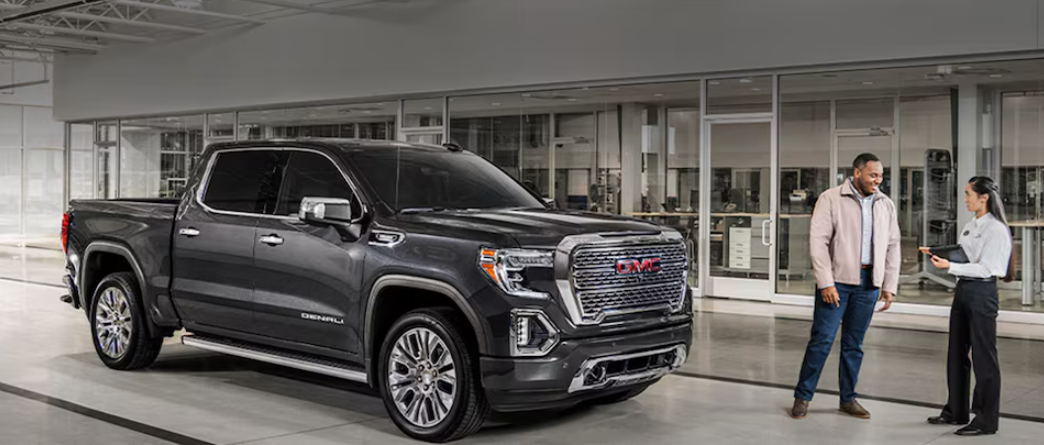
Your GMC Denali sits at the top of GMC's lineup, blending luxury touches with real capability. Keeping this premium vehicle running at its best means hitting specific maintenance intervals. Know when to replace key components and you'll protect your investment while ensuring every drive delivers that refined Denali experience. At Meadowland GMC in Carmel, NY, we help Denali owners stay on top of maintenance needs with factory-authorized service that's tailored to how you actually drive. Schedule your Denali maintenance to keep your vehicle performing at its peak. Protecting Your Premium Driving Experience Through Proper Denali Care The sophisticated systems in your Denali demand attention at precise intervals. Stay ahead of maintenance and you prevent small issues from turning into costly repairs. You also preserve that smooth, powerful performance that makes a Denali special. Regular servicing keeps your vehicle's resale value strong and maintains warranty coverage. Being consistent with care cuts your long-term ownership costs substantially. Address wear items before they fail and you avoid the domino effect that often follows neglected maintenance. Your Denali's advanced drivetrain, braking systems, and filtration work as a team. When one system gets compromised, overall performance suffers. When to Replace Brakes on Your GMC Denali Your Denali's braking system manages serious weight while delivering confident stopping power in any condition. Brake pads and rotors endure tremendous friction during normal use, making them essential wear items that need periodic replacement. Brake Inspection and Replacement Intervals We recommend brake inspections every 7,500 miles or 12 months to catch wear before it becomes a safety issue. Most Denali brake pads need replacement somewhere between 30,000 and 70,000 miles. Your driving style heavily influences this timeline. Frequent towing, mountain driving, or aggressive braking patterns accelerate pad wear significantly. Rotors typically last longer than pads but still need attention. Our technicians often recommend rotor resurfacing or replacement when installing new pads to ensure proper contact and optimal braking performance. Warped or grooved rotors hurt braking efficiency and create vibrations that take away from your driving experience. Warning Signs Your Denali Brakes Need Service Your Denali communicates brake problems through several clear warning signs: Squealing or grinding noises during braking often mean worn pads. Grinding sounds suggest pads have worn completely, allowing metal-to-metal contact that damages rotors. Vibrations or pulsation in the brake pedal or steering wheel during braking point to warped rotors that need immediate attention. Longer stopping distances or a soft pedal feel indicate air in the brake lines or low fluid levels. Both are serious safety concerns. Dashboard brake warning light illumination means brake system sensors have detected problems requiring quick diagnosis. Pulling to one side during braking suggests uneven pad wear or a stuck caliper. Any change in braking performance deserves professional evaluation. Essential Filter Replacements for Peak Denali Performance Filters protect your Denali's engine and keep cabin air quality high. These components have a major impact on performance, fuel economy, and comfort when you maintain them properly. Engine Air Filter Maintenance Your Denali's engine processes massive amounts of air, especially under heavy acceleration or while towing. The engine air filter prevents contaminants from entering combustion chambers, protecting internal components from early wear. Replace this filter every 12,000 miles or 12 months under normal conditions. Dusty environments require more frequent replacement. We check the filter during oil changes to assess its condition visually, replacing it when dirt buildup becomes significant. You'll notice improved throttle response right after installing a fresh air filter. Cabin Air Filter Replacement The cabin air filter keeps air quality high inside your Denali, removing dust, pollen, and other airborne particles. Replace this filter every 15,000 miles or annually to maintain optimal HVAC performance. A clogged cabin filter reduces airflow, making climate control less effective. Musty odors from the vents or reduced air volume indicate the cabin filter needs replacement. Fresh cabin air significantly improves comfort during long drives, especially in heavy traffic or during allergy season around Carmel. Fluid Maintenance Schedule for Your GMC Denali Your Denali depends on various fluids to lubricate, cool, and protect its sophisticated mechanical systems. Each fluid type serves specific purposes and requires replacement at different intervals. Engine Oil and Transmission Fluid Service Modern GMC engines need oil changes every 7,500 miles or 12 months when using Genuine GM motor oil. Synthetic oil provides superior protection, especially during cold starts and high-temperature operation. The Dexos specification ensures oil meets strict requirements for modern engines. Severe driving conditions like frequent towing, extreme temperatures, or short trips may require more frequent changes. We inspect transmission fluid every 45,000 miles and recommend replacement every 30,000 to 60,000 miles, depending on your Denali's transmission type and how you use it. Regular towing or heavy hauling accelerates fluid breakdown, requiring earlier replacement. Coolant, Differential, and Transfer Case Fluids These vital fluids protect your Denali's drivetrain and temperature regulation systems. Following proper service intervals prevents expensive component damage: Fluid Type Recommended Interval Notes Coolant Inspect every 7,500 miles; replace every 100,000 miles Essential for engine temperature control in hot Carmel summers Differential Fluid Every 45,000 miles (severe duty) or 97,500 miles (normal) Critical for AWD Denali models on highway or off-road Transfer Case Fluid Inspect every 7,500 miles; replace every 45,000 miles (severe) or 97,500 miles (normal) Protects 4WD performance in variable weather Engine coolant prevents overheating while protecting against corrosion and freeze damage. Degraded coolant loses its ability to regulate temperature effectively, potentially leading to engine damage. Your Denali's differential fluid lubricates gears handling tremendous torque during acceleration and towing. Four-wheel-drive Denali models include a transfer case that requires similar attention. These often-overlooked fluids play crucial roles in drivetrain longevity. How Carmel Driving Conditions Affect Your Maintenance Timeline Driving in the Carmel area presents unique challenges that influence maintenance needs. Winter conditions with road salt accelerate corrosion on brake components and undercarriage parts. Regular inspections help identify salt damage early. Hilly terrain around Putnam County puts extra stress on brakes during descents and demands more from your engine on climbs. These conditions mean brake pads and engine fluids may need service more frequently than vehicles driven primarily on flat terrain. Stop-and-go traffic during commutes to nearby metro areas creates severe service conditions that shorten maintenance intervals. Summer humidity affects air filter life and can speed up coolant degradation. The mix of highway driving and local errands typical for area residents requires a balanced approach to maintenance scheduling. Why Certified GMC Service Matters for Your Denali Taking your Denali to certified GMC service ensures technicians specifically trained on GMC vehicles handle your maintenance. These professionals understand the detailed differences between Denali models and standard GMC trucks, from upgraded brake systems to specialized drivetrain components. Certified facilities use GM Genuine Parts designed specifically for your vehicle. These components meet exact specifications and maintain warranty coverage, unlike aftermarket alternatives that may void protections. We have access to specialized diagnostic equipment and technical information unavailable at independent shops. The certified service experience includes detailed service records that transfer with your vehicle, supporting resale value. When you bring your Denali to our service department, you receive expert recommendations tailored to your specific model year and equipment. This expertise helps you prioritize maintenance items and plan for upcoming service needs. Schedule Your Denali Maintenance at Meadowland GMC At Meadowland GMC in Carmel, our factory-trained technicians understand every aspect of Denali maintenance. We use GM Genuine Parts and follow precise manufacturer specifications for every service, from routine oil changes to complex repairs. Our service department operates Monday through Friday from 8 AM to 5 PM and Saturdays from 8 AM to 3 PM, offering convenient scheduling that fits your lifestyle. As part of the Volz Auto Group network, we have access to parts and expertise whenever you need service. Call us at (845) 228-8465 or schedule your service appointment online today. Regular maintenance keeps your Denali performing at its best while protecting your investment. Professional service prevents expensive repairs and ensures you enjoy the refined driving experience your Denali was engineered to deliver.
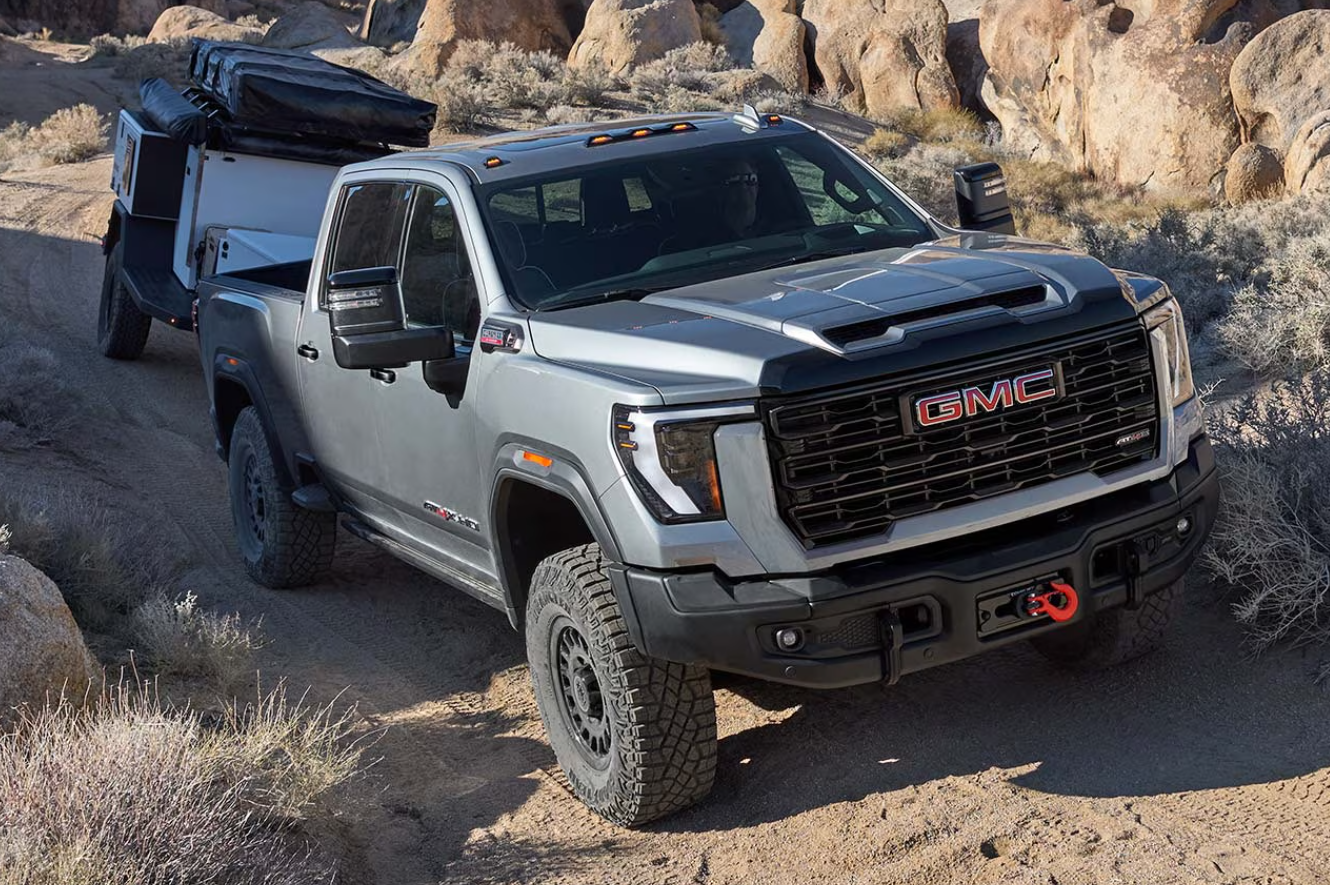
Gray 2026 GMC Sierra HD AT4X

AT4X Off-Road Performance Features: What Makes It GMC's Rugged King?

GMC's AT4X badge represents the brand's most aggressive answer to serious off-road enthusiasts who demand more than weekend trail capability. The AT4X designation signals a fundamental transformation in how these trucks tackle challenging terrain, from rocky mountain passes to muddy trails throughout the Hudson Valley region. Understanding what separates AT4X from standard trims helps buyers determine whether this premium package matches their off-road ambitions. We invite you to explore our new GMC inventory and experience these capabilities firsthand at Meadowland GMC in Carmel, NY. What Separates AT4X From GMC's Standard AT4 Trim The standard AT4 offers solid off-road performance for most recreational users, but the AT4X targets drivers who regularly push into genuinely challenging environments. AT4X represents GMC's flagship off-road trim, engineered to compete directly with Ford's Raptor series. Instead of requiring expensive aftermarket components, the AT4X arrives from the factory with professional-grade equipment already integrated and warrantied. AT4X Hardware Upgrades: What You Actually Get Front and rear electronic locking differentials come standard, maintaining traction even when individual wheels lose ground contact. The Multimatic DSSV damper system replaces conventional shocks, providing dramatically improved wheel travel and control using position-sensitive valving technology developed for racing. This delivers both highway comfort and exceptional trail performance. Skid plate coverage expands significantly on AT4X vehicles. Critical components including the transfer case, fuel tank, and front underbody receive heavy-duty steel protection designed to deflect impacts from rocks and stumps. Feature AT4 AT4X Suspension Rancho shocks or twin-tube; 2" lift (Canyon/Sierra) Multimatic DSSV dampers; 3" lift (Canyon), 1.5" lift (Sierra HD) Tires All-terrain (20" with BFGoodrich) Mud-terrain (33" Goodyear Wrangler Territory MT; 35" on AEV) Differentials Automatic locking rear Electronic locking front and rear (selectable) Ground Clearance 9.6" (Canyon AT4) 10.7" (Canyon AT4X); 11.5" - 11.6" (Sierra AT4X) Protection Skid plates, rocker protectors Enhanced skid plates (five boron steel on AEV editions) Drive Modes Terrain mode, Hill Descent Control Adds Baja mode (Canyon), optimized traction management How the AT4X Suspension System Works Why Multimatic DSSV Dampers Outperform Conventional Shocks The Multimatic Dynamic Suspensions Spool Valve dampers represent perhaps the most significant technological advantage AT4X vehicles hold over competing off-road trucks. Traditional shock absorbers can't optimize performance across varying speeds and terrain types. They either provide comfortable highway ride quality at the expense of off-road control, or deliver harsh trail performance that punishes occupants during daily driving. The DSSV system solves this through position-sensitive valve technology that automatically adjusts damping characteristics based on suspension travel position and speed. What DSSV Technology Delivers on the Trail During highway cruising, DSSV dampers provide compliant damping that absorbs road imperfections without transmitting harsh impacts to the cabin. When encountering larger obstacles, the dampers automatically increase compression resistance to prevent bottoming while maintaining control. This intelligent response happens mechanically without electronic intervention, ensuring consistent performance. AT4X vehicles maintain better tire contact with uneven surfaces, allowing drivers to carry higher speeds over rough terrain without losing control. Wheel articulation improves dramatically, enabling the chassis to flex over obstacles while keeping all four tires grounded for maximum traction throughout Putnam County and surrounding areas. Locking Differentials and Advanced Traction Management Traction management separates truly capable off-road vehicles from those that merely look the part. AT4X models incorporate multiple systems working together to maintain forward progress even when conditions deteriorate beyond what conventional four-wheel drive systems can handle. Electronic Locking Front and Rear Differentials Standard four-wheel drive systems distribute power to all wheels but can't force individual wheels to maintain traction when grip disappears. Electronic locking differentials solve this by mechanically coupling both wheels on an axle, forcing them to rotate at identical speeds regardless of traction conditions. AT4X vehicles include both front and rear locking differentials, providing exceptional low-speed traction control. When activated, these lockers ensure that power flows to at least one wheel per axle, maintaining forward momentum even when two wheels are completely off the ground. This capability proves essential when crossing obstacles like logs or large rocks that lift individual wheels. The electronic activation system allows drivers to engage lockers on-demand using dash-mounted controls. During technical rock crawling or deep mud crossings, engaging both front and rear lockers provides maximum traction. On slippery surfaces where steering control remains necessary, activating only the rear locker maintains better handling while improving traction. Terrain Mode Optimization GMC's terrain management system integrates with AT4X hardware to optimize vehicle response for specific surface conditions. Drivers select terrain modes through the infotainment interface, triggering automatic adjustments to throttle response, transmission shift patterns, and traction control intervention. The Hudson Valley region presents diverse terrain from muddy forest trails during spring thaw to snow-covered mountain roads throughout winter. Mud mode adjusts throttle response for smoother power delivery while allowing controlled wheel slip. Snow mode softens throttle inputs and increases traction control intervention to maintain grip on slippery surfaces. Rock crawling mode demonstrates particularly impressive integration. This setting activates both differential locks automatically, sets the transmission to first gear, and provides extremely precise throttle control for low-speed maneuvering over obstacles. How AT4X Geometry Clears Obstacles Standard Trucks Can't Vehicle geometry determines which obstacles a truck can clear without sustaining damage. AT4X models receive specific modifications that improve clearance angles and protect vulnerable underbody components from trail hazards. Ground clearance measures the vertical distance between the lowest underbody point and the terrain surface. AT4X vehicles achieve enhanced clearance through lifted suspension components and modified chassis mounting points. Approach and departure angles define the steepest slopes a vehicle can climb or descend without the front or rear bumper contacting terrain. AT4X models feature revised bumper designs with increased ground clearance at both ends. AT4X Clearance and Approach Angle Specs by Model Model Ground Clearance Approach Angle Breakover Angle Departure Angle Canyon AT4 9.6" 33.5° 21.0° 22.4° Canyon AT4X 10.7" 36.9° 24.7° 25.0° Sierra 1500 AT4X 11.5" Up to 34.0° - Up to 24.4° Sierra HD AT4X 11.6" 31.6° - 25.7° Heavy-duty steel skid plates protect the front differential, transfer case, fuel tank, and steering components from rock impacts that could puncture vital systems. This comprehensive protection extends significantly beyond the lightweight plastic shields found on standard models. Sierra AT4X vs Canyon AT4X: Choosing Your Off-Road Platform GMC offers the AT4X package on both Sierra full-size trucks and Canyon mid-size trucks. Both platforms share the fundamental AT4X hardware philosophy, but their different sizes create distinct advantages depending on intended use cases. Size and Trail Performance Differences The Sierra AT4X delivers full-size capability with maximum payload capacity, towing ratings, and interior space. This platform suits buyers who need their off-road vehicle to also serve as a primary work truck or family hauler. The larger chassis provides a more stable platform for highway towing while maintaining impressive trail capability. Canyon AT4X offers enhanced maneuverability on technical trails where tight turns and narrow passages create challenges for full-size trucks. The shorter wheelbase allows sharper turn radii and easier navigation through switchback sections common on mountain trails. This platform appeals to drivers who prioritize pure trail performance over maximum cargo capacity. Aspect Canyon AT4X (Midsize) Sierra AT4X (Full-Size/HD) Track Width Narrower (66.1") Wider; higher payload/towing capacity Lift/Ground Clearance 3" lift to 10.7" 2" (1500) or 1.5" (HD) to 11.5" - 11.6" Tires/Wheels 17" with mud-terrain; beadlock-capable on AEV 18" with 33" MT; 35" on AEV editions Engine Output 310 hp TurboMax, 430 lb-ft Up to 420 hp (gas), 460 lb-ft; 6.2L V8 option Trail Fit Agile for tight trails, high-speed desert/Baja Heavy loads, extreme clearance, boulder crawling Both platforms receive identical core AT4X technologies including Multimatic DSSV dampers, locking differentials, and comprehensive skid plate protection. Differences emerge primarily in how size affects trail navigation rather than raw capability over obstacles. Which AT4X Suits Your Off-Road Style Choosing between Sierra AT4X and Canyon AT4X depends largely on how you balance off-road ambitions against daily driving requirements. Those who regularly tow heavy trailers, carry substantial cargo loads, or transport multiple passengers alongside their gear will appreciate the Sierra platform's additional capacity. Canyon AT4X makes more sense for enthusiasts who prioritize exploring tight, technical trails where full-size trucks become liabilities. The mid-size platform excels in wooded areas throughout the Hudson Valley where trail width limitations prevent larger vehicles from passing safely. Check our current GMC specials to see available offers on both platforms. Real-World Performance: What AT4X Handles Near Carmel and Beyond The Hudson Valley region surrounding our Carmel location offers diverse terrain ideal for testing AT4X off-road performance capabilities. From muddy forest service roads during spring runoff to snow-covered mountain passes throughout winter, local conditions push these vehicles through scenarios that reveal their true character. Spring conditions create particularly challenging environments when frost heaves break up paved roads and seasonal closures open muddy backcountry routes. AT4X trucks navigate these situations confidently, using locking differentials and aggressive tire tread to maintain progress through deep ruts and slippery clay surfaces. Summer trail running introduces loose gravel on mountain roads and deep sand along remote camping areas. The DSSV suspension system maintains tire contact with loose surfaces while absorbing impacts from embedded rocks and washboard sections. Winter weather transforms local roads into legitimate off-road challenges requiring genuine capability. AT4X vehicles equipped with winter tires demonstrate impressive snow traction, using locking differentials to power through unplowed sections and steep grades. The varied terrain within a short drive of our dealership provides AT4X owners with ample opportunity to utilize their vehicle's capabilities without traveling to distant destinations. Is AT4X Worth the Premium Over Standard AT4? The AT4X package commands a significant price increase compared to standard AT4 models. The decision ultimately depends on how you intend to use your vehicle and whether you regularly encounter conditions that exceed standard AT4 capabilities. When Standard AT4 Is Sufficient Buyers who occasionally venture onto maintained dirt roads or gravel trails likely won't benefit from AT4X upgrades. Standard AT4 models provide sufficient capability for these scenarios, delivering comfortable four-wheel drive performance without the expense of professional-grade off-road hardware. When AT4X Makes Sense The AT4X investment makes sense for enthusiasts who regularly tackle challenging terrain where standard vehicles struggle. Technical trail running, deep mud crossings, serious rock crawling, and remote backcountry exploration all benefit directly from AT4X hardware advantages. The factory-installed equipment arrives fully integrated and warrantied, avoiding the complications and potential reliability issues that come with aftermarket modifications. Long-term value considerations also favor AT4X purchases for serious off-roaders. The comprehensive underbody protection prevents expensive damage that could occur during aggressive trail use, while Multimatic DSSV dampers deliver exceptional durability. Experience AT4X at Meadowland GMC For drivers seeking maximum off-road capability backed by factory warranty coverage, we invite you to schedule a test drive at Meadowland GMC. Our sales team can demonstrate specific hardware differences and discuss how AT4X capabilities align with your off-road goals. You can also contact our team with questions about AT4X specifications, availability, or financing options. As part of the Volz Auto Group network, we're committed to matching Hudson Valley drivers with vehicles that meet their performance needs and lifestyle requirements. AT4X represents GMC's most capable off-road offering, delivering professional-grade hardware that transforms how confidently drivers can tackle challenging terrain. The combination of Multimatic DSSV suspension, locking differentials, enhanced clearances, and comprehensive protection creates a formidable package for serious enthusiasts who demand maximum trail performance.

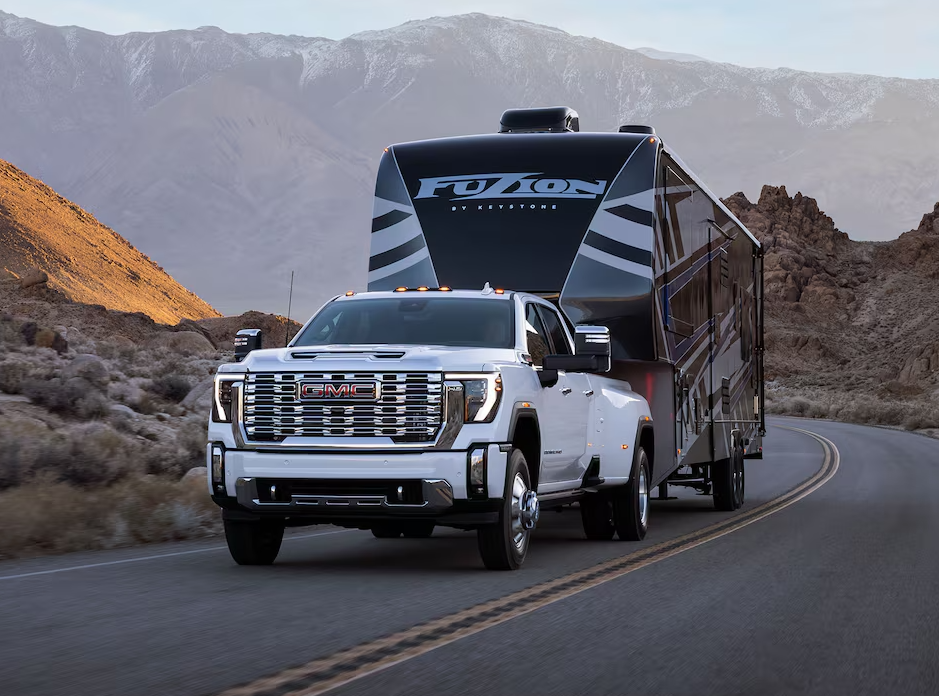
White GMC sierra 3500 towing a trailer

GMC ProGrade™ Trailering System: How to Use It and Keep It Calibrated

Towing a trailer shouldn't feel like guesswork. Whether you're hauling a boat to Lake Mahopac or towing equipment through winding Hudson Valley roads, the GMC ProGrade Trailering System transforms your truck into a confident partner. This suite of smart technologies eliminates blind spot anxiety, uncertain hitch alignment, and mysterious trailer issues by providing comprehensive visibility and real-time intelligence. Modern trailering demands precision, awareness, and real-time feedback. The ProGrade system delivers exactly that, integrating up to 14 camera views, sensors, and intelligent monitoring into a seamless experience that benefits both first-time towers and seasoned haulers. At Meadowland GMC, we regularly demonstrate these features to help northern Westchester drivers understand how the system simplifies their towing needs. What Is the GMC ProGrade™ Trailering System? The GMC ProGrade Trailering System represents a comprehensive approach to safer, smarter towing. Rather than scattered features, it combines advanced camera networks, intelligent monitoring tools, and intuitive interfaces into one cohesive package that spots problems before they turn dangerous. This technology adapts to your specific needs through customizable profiles. Store details about each trailer you own, from your camper's weight distribution to your utility trailer's lighting setup. The In-Vehicle Trailering App remembers these specifications and automatically adjusts guidance based on which trailer you've connected. You can store profiles for up to five different trailers. Information appears on your dashboard when you need it, cameras activate at the right moments, and alerts arrive before minor issues escalate. You stay in control while technology handles the complexity. Browse our new GMC inventory to explore which configurations include the specific camera views and monitoring tools that match your towing needs Key Features That Make Towing Easier for Hudson Valley Drivers Navigating tight parking lots in Carmel or backing into campsites requires visibility that standard mirrors simply can't provide. The ProGrade system addresses this through multiple overlapping technologies that work together seamlessly. Advanced Hitch Guidance and Multi-Camera Views Hitch Guidance with Hitch View transforms trailer connection from a frustrating ordeal into a straightforward task. Visual cues show exactly where your hitch ball sits relative to the trailer coupler. Dynamic guidelines adjust as you move, providing real-time feedback that makes solo hitching actually practical. The system includes hitch lighting and auto parking brake engagement for added convenience. The multi-camera system offers up to 15 views, including the industry-first transparent trailer view that lets you see through your trailer to spot obstacles. Bed view helps you monitor cargo, while side cameras provide comprehensive visibility around your entire rig. This surround vision proves invaluable when navigating narrow driveways or crowded areas. Integrated Trailer Brake Controller and Sway Management Road conditions change quickly in the Hudson Valley. A sudden gust crossing the Bear Mountain Bridge or an unexpected lane change can induce trailer sway. The Integrated Trailer Brake Controller and Trailer Sway Control system monitors movements constantly, responding faster than human reflexes. When sway begins, the system automatically adjusts individual brakes and modifies engine power to counteract the movement. This intervention happens smoothly, stabilizing your rig without jarring corrections. Cab-adjustable brake force ensures optimal braking balance based on load weight and terrain. Real-Time Trailer Monitoring and Diagnostics Your dashboard becomes a command center displaying critical trailer information. Tire pressure and temperature readings for each trailer wheel alert you to issues before they cause blowouts. The system tracks lighting status, immediately notifying you if signals or brake lights fail. The myGMC Mobile App provides remote access to trailer status, alerts, diagnostics, and even theft notifications. This continuous monitoring prevents scenarios that ruin trips, delivering early warnings with time to address problems properly. Setting Up Your ProGrade System for Effortless Towing Proper setup transforms the ProGrade system from impressive technology into a personalized towing assistant. Taking time to configure profiles and connect supporting apps pays dividends every time you hook up a trailer. Creating and Managing Trailer Profiles Trailer profiles teach your truck everything it needs to know. Enter your trailer's length, weight, tongue weight, and tire specifications once, and the system uses this information to calibrate guidance lines, adjust brake settings, and set appropriate monitoring thresholds. Switch between profiles with a few screen taps. Each profile also stores maintenance schedules and service history. Record tire rotations, bearing repacks, and electrical checks so you never wonder when maintenance last occurred. This documentation proves especially valuable for seasonal trailers that sit unused for months. Connecting the myGMC Mobile App The myGMC app extends system functionality beyond your truck's cabin. Check trailer profiles while shopping for new trailers, comparing stored specifications against potential purchases. Receive maintenance reminders days before trips, giving you time to address issues. Pre-departure checks become more thorough with app integration. Run lighting tests, review tire pressure history, and confirm profile selection from your driveway. Remote access means you can verify everything's ready before stepping outside. Why Proper Calibration Matters for Safe, Confident Towing Calibration serves as the foundation for every ProGrade feature. When sensors accurately understand your truck's dimensions, camera angles, and trailer characteristics, the guidance they provide becomes genuinely helpful. Small calibration errors compound during complex maneuvers, turning reliable assistance into misleading information. Regular calibration ensures Trailer Sway Control responds appropriately to actual conditions. If you've added aftermarket suspension components or installed different tires, recalibration teaches the system about these changes. The technology adapts to your specific setup rather than working from generic assumptions. Camera angles shift following collision repairs or bumper replacements, rendering previous calibrations useless. Professional GMC ProGrade Trailering System service after such changes ensures all components work from the same accurate baseline. How to Keep Your ProGrade Trailering System in Top Shape We recommend dividing maintenance between tasks you handle at home and professional service to catch problems early. Sensor Checks and Software Updates You Can Do at Home Visual sensor inspections take minutes but prevent major headaches. Check that camera lenses remain clean and unobstructed, as road grime reduces image quality. Wipe lenses with microfiber cloths before trips, paying special attention after winter months when salt residue accumulates. Software updates arrive periodically with improvements and fixes. Your truck notifies you when updates are available. Staying current ensures you benefit from the latest enhancements, including refined algorithms that improve sway detection or updated camera processing. Monitor your trailer profiles for accuracy. Update weight values if you've added permanent equipment, adjust length measurements after modifications, and revise maintenance schedules based on actual usage patterns. When to Schedule Professional GMC ProGrade Trailering System Service Certain situations demand professional attention. If your truck isn't recognizing your trailer despite proper connections, the issue likely involves communication protocols requiring diagnostic equipment. Intermittent warnings that resolve temporarily but recur suggest underlying problems that home troubleshooting can't address. After any collision or impact, schedule service even if damage appears minor. Impact forces can misalign cameras, shift sensors, or damage wiring in ways that aren't immediately obvious. We have specialized calibration equipment at Meadowland GMC that verifies every component functions correctly. Annual professional inspections catch deterioration before failures occur. Wiring connections corrode over time, sensor mountings loosen from vibration, and software glitches accumulate. Our factory-trained technicians spot developing issues during routine service, addressing them during scheduled maintenance rather than emergency roadside repairs. Troubleshooting Common ProGrade Issues Before Your Next Trip Understanding common challenges helps you respond effectively when problems arise. Many issues have simple solutions, while others signal the need for professional attention. Issue Possible Cause Home Troubleshooting Steps Inaccurate hitch guidance Dirty/misaligned cameras Clean lenses, re-hitch with dynamic guidelines, check app profile Sway control not engaging Uncalibrated sensors or profile mismatch Verify trailer weight/profile, test on straight road, update software No tire pressure alerts App disconnect or low battery Reconnect myGMC app, check trailer sensors, perform pre-departure checklist Trailer light test fails Loose connections Inspect harness/plugs, run light test in app, secure chains Blind zone alerts missing Software outdated Update via app, restart system, test in traffic Quick Fixes for Connection and Camera Problems Connection recognition problems often stem from trailer wiring rather than truck system failures. Verify your trailer's seven-pin connector is clean, properly seated, and free from corrosion. Check that trailer lighting grounds properly, as poor grounds prevent reliable communication between your truck and trailer. Camera display issues frequently relate to settings rather than hardware failures. Verify camera views are enabled in your settings menu and the correct trailer profile is active. Some camera features activate only at specific speeds or conditions, so take time to familiarize yourself with triggering requirements. When to Seek Professional ProGrade System Service If your system displays erratic warnings that don't match actual conditions, recalibration often resolves the confusion. Access your system's calibration menu and run through the guided process, which typically involves driving on a straight, level road at steady speeds. Persistent problems despite troubleshooting indicate genuine system issues requiring professional diagnosis. Don't continue towing if critical safety features like Trailer Sway Control or trailer brakes fail to function correctly. Contact our service team at Meadowland GMC for guidance. Experience the ProGrade Trailering System at Meadowland GMC in Carmel, NY The ProGrade system's capabilities become clear when you actually use the cameras to guide a hitch connection or feel the sway control intervene during a test drive. We invite you to experience these features with our knowledgeable staff who understand both the technology and local towing conditions. Our factory-trained technicians handle all aspects of GMC ProGrade Trailering System service, from initial setup and calibration to ongoing maintenance and troubleshooting. We understand the system's complexities and stay updated on the latest diagnostic procedures and software releases. Located at 1952 Route 6 in Carmel, we serve Hudson Valley drivers with comprehensive sales and service support. Our service department operates Monday through Friday from 8 AM to 5 PM and Saturday from 8 AM to 3 PM. Call (845) 228-8465 to discuss your ProGrade system needs or schedule service. Visit our new trucks inventory to explore GMC vehicles equipped with this advanced technology. Understanding how to use and maintain your ProGrade system means you'll spend less time worrying about your trailer and more time enjoying what you're towing it for. Let us show you how this technology makes every trip safer and simpler.

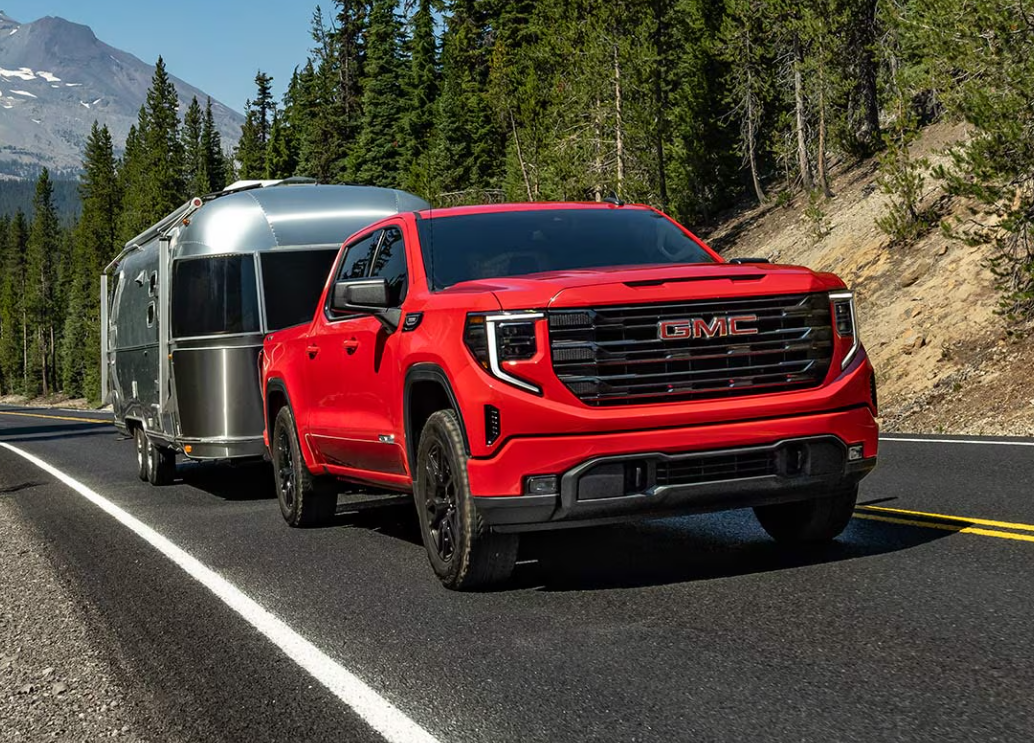
Red 2026 GMC Sierra 1500 towing trailer

Off-Road Showdown: GMC Sierra 1500 vs. Ram 1500

Choosing a truck for weekend trail adventures goes way beyond just checking towing specs and bed dimensions. Around Carmel's demanding terrain, you need something that can handle rocks, mud, and those steep climbs that make your heart race. That's exactly why we see so many folks comparing the GMC Sierra 1500 and Ram 1500 when they're hunting for their next trail machine. Both trucks pack serious off-road DNA, but they approach challenging terrain with completely different philosophies. Here at Meadowland GMC, we spend time with drivers to break down how each model performs when things get rough, whether you're tackling mountain passes in the Hudson Highlands or venturing onto those gnarly routes up north. Why Carmel Drivers Are Comparing the GMC Sierra 1500 vs. Ram 1500 for Off-Road Adventures The outdoor recreation boom has completely changed how people view their vehicles. Today's trucks need to be weekend escape pods that seamlessly transition from highway cruising to backcountry exploration without missing a beat. This GMC Sierra 1500 versus Ram 1500 conversation really comes down to finding that perfect balance. You want everyday comfort for your daily routine, but when the asphalt ends, your truck better transform into a confident trail warrior. Our local landscape definitely shapes these decisions. Carmel's rocky, unpredictable trails demand specific strengths: enough ground clearance to clear those boulder fields, suspension that can absorb brutal hits, and four-wheel-drive systems that keep you moving when conditions turn sketchy. 4WD Systems and Terrain Management: How Each Truck Tackles Trails Today's four-wheel-drive technology has come light years from those basic high-low range setups. Both trucks deploy sophisticated drivetrain management that constantly adjusts power delivery, monitoring wheel speed, throttle position, and steering input multiple times every second to keep you in control. Feature GMC Sierra 1500 Ram 1500 Locking Differential Automatic locking rear Electronic locking rear (Rebel) Hill Descent Control Available (X31 Package) Available Low-Speed Torque Focus High (Duramax diesel) 469 lb-ft (Hurricane) GMC Sierra 1500 Drivetrain and Drive Modes Sierra's strategy revolves around putting control in your hands through selectable drive modes that are calibrated for specific situations. Whether you're creeping over boulders at walking speed or maintaining momentum through deep sand, there's a setting dialed in for that exact scenario. The X31 Off-Road Package brings serious trail credibility with its off-road-tuned suspension, two-speed Autotrac transfer case, automatic locking rear differential, hill descent control, comprehensive underbody skid plates, and heavy-duty air filtration. This package gives Sierra owners real confidence when trails get nasty. Your engine choice becomes crucial when trails point straight up. That Duramax diesel option delivers incredible torque for precise low-speed control on steep climbs, while electronic systems handle transmission shifts and throttle response to match your selected terrain mode perfectly. Ram 1500 Drivetrain and Drive Modes Ram's engineering team built their terrain management with different calibrations in mind. Multiple engine configurations let buyers choose performance characteristics that match their priorities, with the Hurricane delivering 469 lb-ft of torque. Ram's drive mode selector simultaneously adjusts throttle response, transmission behavior, and traction control intervention, creating a unified setup that's optimized for trail work. The Rebel package adds electronic locking rear differential and Bilstein shocks to boost off-road performance. Ground Clearance, Suspension, and Approach Angles Compared Ground clearance, suspension travel, and approach angles determine whether you'll clear obstacles cleanly or scrape expensive parts underneath. The Sierra versus Ram comparison shows some interesting engineering priorities. Dimension GMC Sierra 1500 Ram 1500 Ground Clearance 7.88 in. 7.8 in. Wheelbase 147.0 in. 140.5-144.5 in. Height 75.5-75.7 in. 77.6 in. Suspension (Off-Road) Off-road tuned (X31/AT4X) Bilstein/air (Rebel) Sierra 1500 Off-Road Geometry Advantages What really stands out about the Sierra is that longer 147-inch wheelbase, which provides noticeably better stability on rough terrain compared to Ram's shorter dimensions. This extended wheelbase helps you maintain control on uneven trails and prevents that unsettling bucking motion you get with shorter trucks. Sierra's suspension design allows impressive wheel travel, keeping individual tires in contact with the ground even when the chassis encounters dramatic elevation changes. That articulation keeps traction available right when you need it most on Carmel's challenging trails. Ram 1500 Off-Road Geometry Ram's engineering team developed their own geometry solutions, with the Rebel configuration offering solid capability. The suspension tuning creates a distinctive feel over rough terrain, soaking up impacts while still giving you feedback about what's happening underneath. Ram's available air suspension brings on-road comfort benefits, though it takes a different approach compared to Sierra's mechanically simpler off-road setup. Various configurations are available across the Ram lineup, with specialized off-road variants improving those baseline numbers. Off-Road Packages Face-Off: AT4X vs. Rebel and TRX Factory off-road packages turn capable trucks into trail-focused machines. The gap between Sierra AT4X and Ram's offerings really highlights each manufacturer's core philosophy. Package Key Off-Road Features Terrain Strength Sierra AT4X Front & rear locking diffs, 2" lift, skid plates, hill descent Steep climbs, ruts, loose rock Ram Rebel Electronic locking rear, Bilstein shocks, 1" lift, skid plates Rough trails, mild dirt Ram TRX 702 horsepower, aggressive setup High-speed thrills The Sierra AT4X represents our most trail-ready configuration, and those specs paint a pretty clear picture. While Rebel offers only rear locking differential, AT4X provides both front and rear electronic locking differentials. This difference becomes huge on technical terrain where you need maximum traction at all four corners to prevent getting stuck. AT4X's 2-inch suspension lift beats Rebel's 1-inch lift, giving you better ground clearance for obstacles. AEV skid plates available on AT4X deliver maximum underbody protection for serious trail work. These engineering decisions position Sierra as the more capable choice for demanding off-road adventures. Browse our Sierra 1500 inventory to discover how the AT4X delivers confidence, performance, and off-road capability in real-world driving. Ram's TRX takes a completely different approach, prioritizing massive horsepower for high-speed desert running rather than technical trail crawling. It's an impressive beast, but serves a different purpose than the precision-focused AT4X. Trail Technology and Underbody Protection Modern technology has revolutionized how trucks handle off-road environments, providing drivers with information and assistance that makes challenging trails more accessible. Both manufacturers understand that protecting vulnerable components matters just as much as having the right suspension and tires. Camera Systems and Visibility Aids Multiple camera angles provide perspectives you simply can't get by looking out the windows. Front-facing cameras help you place the bumper precisely when threading tight gaps. Side cameras show what's happening along the rocker panels. Some configurations stitch multiple feeds into a single overhead view, making tight maneuvering way less intimidating. Wash-off cameras have become essential for serious off-roading. Mud and debris coat standard lenses quickly, making them useless exactly when you need them most. Skid Plates and Undercarriage Armor Heavy-gauge steel protecting critical components lets you drive over obstacles rather than tiptoeing around them. Factory protection varies dramatically across trim levels. Sierra's X31 and AT4X packages include comprehensive underbody skid plates that shield the oil pan, transmission, transfer case, and fuel tank. AT4X offers AEV skid plates for maximum protection, representing a serious commitment to underbody armor that goes beyond typical factory coverage. This level of protection really matters if you're regularly running challenging trails. Interior Comfort and Storage for Weekend Trail Trips Off-road capability doesn't mean much if you can't stand being inside the truck for the drive to and from those trails. We've watched modern truck interiors evolve dramatically, focusing on cabin comfort and practical storage solutions that make extended trips genuinely enjoyable. Feature GMC Sierra 1500 Ram 1500 Seating Capacity 6 5 (Rebel) Bed Length 5'10" 5'7" (Rebel) Fuel Capacity 24 gal 23 gal Sierra's 6-passenger seating capacity beats Rebel's 5-passenger configuration, giving you flexibility for group adventures. That longer 5'10" bed compared to Rebel's 5'7" offers meaningful extra cargo space. The 24-gallon fuel capacity versus 23 gallons gives Sierra drivers better range between fill-ups, which becomes valuable when exploring remote areas. Climate control systems keep temperatures comfortable regardless of outside conditions. Smart storage solutions for recovery gear, camping equipment, and tools help keep smaller items accessible rather than buried in the bed. Crew cab configurations in both trucks offer genuine room for adults plus cargo flexibility. Which Truck Wins for Off-Road Adventures Near Carmel, NY? After diving into the specifications and real-world capabilities, we believe the Sierra 1500 delivers superior off-road performance for serious trail work. AT4X's front and rear locking differentials provide a genuine advantage over Rebel's rear-only setup. That longer wheelbase enhances stability on rough terrain. The 6-passenger capacity, longer bed, and greater fuel capacity add practical benefits for weekend adventures. Ram brings its own strengths to the table, particularly that available air suspension for on-road comfort and the TRX's jaw-dropping horsepower. However, for the technical trails and demanding conditions around Carmel, Sierra's engineering choices align better with genuine off-road needs. Your decision should focus on how you'll actually use the truck. Test drive both vehicles on similar terrain to feel those differences in suspension tuning and steering response. Find Your Off-Road Sierra at Meadowland GMC in Carmel, NY Reading specifications only tells part of the story. Visit our truck inventory to see available AT4 and AT4X configurations in person, compare bed lengths and cab styles, and get behind the wheel for a test drive that answers your real questions. Our team can walk you through the practical differences between trim levels and help you configure a Sierra that matches both your budget and your adventure plans. As part of the Volz Auto Group serving northern Westchester and Putnam counties, Meadowland GMC offers factory-trained technicians who understand Sierra trucks inside and out. We know these trails, we know these trucks, and we know which configurations perform best on the terrain you'll actually encounter. Contact us at (845) 228-8460 to schedule your test drive, or stop by 1952 Route 6 in Carmel to see why serious off-roaders choose Sierra for Hudson Valley trails. We're here to get you equipped right and headed out with confidence.

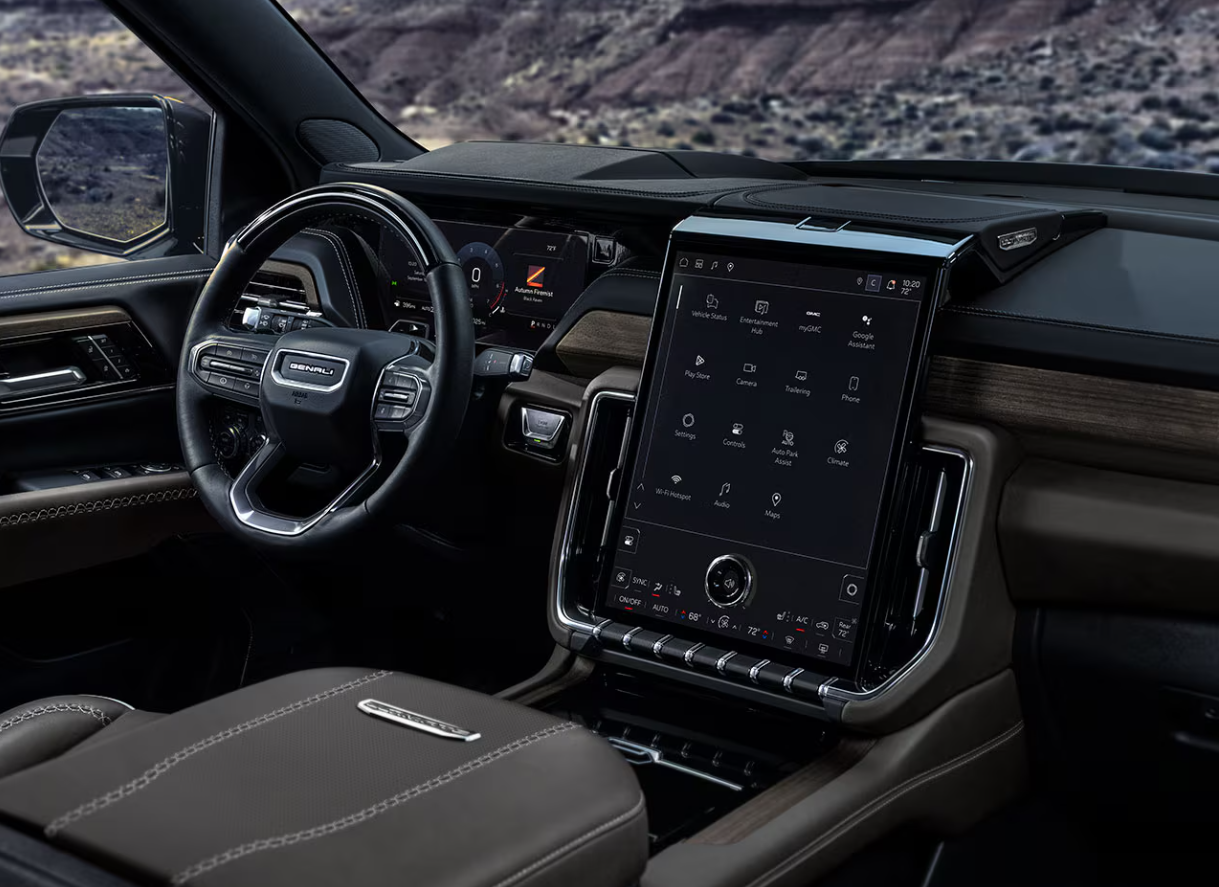
2026 GMC Yukon interior dashboard

2025 vs 2026 GMC Yukon: New Tech, Styling & Interior Upgrades Compared

Shopping for a full-size SUV that handles both family carpools and weekend adventures? The differences between the 2025 vs 2026 GMC Yukon might surprise you. GMC didn't reinvent the wheel for 2026, but they made smart refinements that address real frustrations drivers face every day. Think smarter tech, better materials, and thoughtful touches that make your life easier without sacrificing the Yukon's proven capability. What's Changed from the 2025 to 2026 GMC Yukon The 2026 GMC Yukon represents refined evolution rather than revolutionary change. Since the 2025 model got a comprehensive refresh, the 2026 version carries forward those improvements with minimal updates. The biggest news? A Key Card digital access system that ditches the bulky key fob for something slim enough to slip into your wallet. Picture this: you're juggling soccer gear and grocery bags, and instead of digging for keys, you just tap a card against the door handle. GMC also updated option package configurations for 2026, making it easier to build the Yukon that matches your needs. The powertrain lineup stays unchanged, with the same three proven engines paired with a 10-speed automatic transmission. The exterior keeps the bold look that makes the Yukon instantly recognizable, with the same commanding presence on Carmel roads and I-84 corridors. Available Powertrain Options Engine Horsepower Torque Notes 5.3L V8 355 hp 383 lb-ft Standard 6.2L V8 420 hp 460 lb-ft Available 3.0L Diesel 305 hp 495 lb-ft Available All engines pair with a 10-speed automatic transmission for smooth power delivery and improved fuel efficiency. 2026 GMC Yukon Technology and Infotainment Upgrades Key Card Digital Access and Connectivity Features The 2026 GMC Yukon Key Card system solves a problem you didn't know bothered you until it's gone. This credit card-sized device eliminates the pocket bulge of traditional fobs. You can unlock the doors with a simple tap, and then fire up the engine. It's particularly brilliant after a day at the beach when your hands are full of coolers and sand toys. Inside, that massive 16.8-inch touchscreen still dominates the dashboard landscape. Wireless Apple CarPlay and Android Auto connect automatically when you climb in, no cables required. Your navigation, Spotify playlists, and text messages appear instantly on the big display. The system responds quickly to touches, which means less fumbling around when you're trying to change music while merging onto the highway. Advanced Safety and Driver Assistance Tech Safety tech in the 2026 Yukon builds on what already worked well. The enhanced blind-spot monitoring now includes cross-traffic alerts that prove invaluable when backing out of tight parking spaces. If you tow boats or campers regularly, the upgraded trailering systems help maintain stability when gusty winds hit or you need to change lanes quickly. Feature Denali Denali Ultimate Super Cruise Available Standard 15" Head-Up Display Not Standard Standard Air Ride Adaptive Suspension Not Standard Standard Bose 18-Speaker System Standard Standard These driver assistance features stay in the background until you need them. Forward collision alert, automatic emergency braking, and lane-keeping assist create safety nets without being intrusive. They're especially valuable during those late-night drives home when concentration starts to fade. Interior Design and Comfort Improvements for 2026 Premium Materials and Cabin Refinements Open the 2026 GMC Yukon Denali interior door and you'll immediately notice the material upgrades. GMC swapped out hard plastics for soft-touch surfaces where your hands naturally rest. The dashboard feels more organized, less cluttered than before. Real wood trim and metal accents add visual interest without looking overdone. Step up to the 2026 GMC Yukon Denali Ultimate interior and you enter luxury SUV territory. Semi-aniline leather seats, open-pore wood details, and ambient lighting create an atmosphere that rivals premium segment competitors. Road noise stays outside where it belongs, thanks to improved sound insulation. These aren't just cosmetic changes; they transform long drives from endurance tests into enjoyable experiences. The Denali Ultimate also features second-row heated and ventilated executive seating with massage capability and Bose head-restraint speakers, creating a first-class experience for rear passengers. Front seats offer 16-way power adjustment on both Denali trims, with massage capability exclusive to the Denali Ultimate. GMC kept physical buttons and knobs for climate control and audio adjustments. You can change the temperature or volume without diving into touchscreen menus, which means safer operation while driving and less frustration for passengers who just want to turn up the music. Passenger Space and Everyday Usability for Families The 2026 Yukon seats up to eight passengers, but GMC refined the experience for everyone aboard. Second-row captain's chairs slide and recline to find that sweet spot between legroom and cargo access. With hip room measuring 61.5 inches up front, 61.3 inches in the second row, and 49.4 inches in the third row, even tall teenagers can ride comfortably. Cargo space remains impressive with all seats up, easily handling weekly grocery runs or sports equipment. Power-folding seats on upper trims mean no wrestling with heavy seat backs. Storage solutions appear everywhere you need them (deep door pockets, a huge center console, and hidden compartments keeping smaller items organized). Cargo Capacity: Standard Yukon vs Yukon XL Configuration Standard Yukon Yukon XL Behind 3rd Row 25.5 cu ft 41.5 cu ft 2nd Row Folded 72.5 cu ft 93.8 cu ft Maximum 122.8 cu ft 144.7 cu ft Vehicle Length 210.1 inches 225.2 inches Fuel Tank 24 gallons 28 gallons The XL configuration delivers significantly more cargo space, making it ideal for larger families or those who frequently transport equipment for weekend adventures in the Hudson Valley. Exterior Styling Updates Worth Noticing The 2026 GMC Yukon's exterior changes are subtle but purposeful. The front grille gets revised detailing and updated lighting signatures that modernize the look without abandoning the Yukon's truck-tough appearance. These tweaks also improve airflow, helping fuel economy on highway drives. New 2026 GMC Yukon colors give buyers more options to personalize their ride. Two-tone Yukon configurations on Denali trims pair darker lower sections with lighter roofs, creating a distinctive presence that stands out in parking lots. The 2026 GMC Yukon wheel changes include redesigned alloy patterns that reduce weight while maintaining the robust appearance full-size SUV buyers expect. Standard 20-inch painted alloy wheels come with 275/60R20 tires across all trims. Chrome trim gives way to darker finishes on Denali models, reflecting current preferences for understated elegance over flashy brightwork. LED headlights and taillights come standard across all GMC Yukon trim levels, providing better visibility and a contemporary nighttime signature. How the 2026 Yukon Stacks Up Against Other Full-Size SUVs When comparing the Yukon against other full-size SUVs in the segment, it stands out with superior towing capacity and a refined ride. The available diesel engine delivers impressive torque and fuel economy for frequent towing or buyers who want maximum range between fill-ups. The Yukon's independent rear suspension provides a smoother ride than competitors using solid rear axles, which makes it the better choice for families prioritizing daily comfort. Tech integration matches or beats competing SUVs. The huge touchscreen, comprehensive safety suite, and seamless connectivity put the Yukon at the segment's forefront. The Yukon strikes an appealing balance between capability, comfort, and value that resonates with practical-minded buyers who need a full-size SUV that can handle everything from school drop-offs to weekend getaways. Which GMC Yukon Is Right for Hudson Valley Drivers Understanding GMC Yukon trims helps narrow your decision. The entry-level Elevation provides essential features and capability without premium pricing (perfect for buyers who prioritize function over flash). The SLE adds convenience features and upgraded materials, striking a middle ground for families wanting comfort without breaking the bank. GMC Yukon trim levels explained further shows the SLT as the sweet spot for many buyers. It delivers most premium features at a reasonable price, including leather seats, advanced safety tech, and the larger touchscreen. The AT4 trim targets adventure seekers with off-road enhancements like lifted suspension and all-terrain tires, ideal for exploring Hudson Valley's backroads and state parks. The GMC Yukon Denali trim represents the luxury flagship, offering peak refinement and technology. Those wanting absolute opulence can choose the Denali Ultimate with unique interior treatments, premium audio systems, and exclusive exterior details. The Denali Ultimate includes features like Air Ride Adaptive Suspension, which excels on the varied terrain and seasonal weather conditions common in our region. When evaluating the 2026 GMC Yukon price across trims, focus on actual needs versus wants. Features like adaptive cruise control and enhanced safety systems provide daily value you'll appreciate, while cosmetic upgrades primarily affect appearances. For families logging serious miles or tackling winter weather on rural routes, investing in AWD and advanced safety tech delivers tangible benefits beyond luxury touches. Should You Buy a 2025 or Wait for a 2026? The 2025 Yukon makes sense if you want immediate availability with proven performance and don't mind skipping the new Key Card access system. You'll also have better chances at dealer incentives on current inventory while still getting a comprehensively refreshed model. On the other hand, waiting for the 2026 might be worthwhile if you're drawn to the latest Key Card digital access technology and updated option package configurations, plus the satisfaction of owning the newest model year. Since the 2025 already received a comprehensive refresh and the 2026 brings only minimal changes, both represent excellent values. Ultimately, your decision comes down to whether immediate availability and potential incentives outweigh having the absolute latest features, or if you're willing to wait a few months for marginal updates. Explore the 2026 GMC Yukon at Meadowland GMC in Carmel, NY Reading about the differences between 2025 vs 2026 GMC Yukon only tells part of the story. At Meadowland GMC in Carmel, NY, you can actually try the Key Card system, explore the responsive infotainment screen, and see how your family fits inside. We understand the unique needs of northern Westchester and Putnam County drivers, and our knowledgeable staff can walk you through the nuanced differences between GMC Yukon trim levels. Test drives reveal the Yukon's smooth ride quality and confident handling during actual driving conditions. Interested in exploring our complete SUV and crossover lineup? We can help you compare options and find the perfect fit for your lifestyle. Ready to see the 2026 GMC Yukon in person? Visit us at 1952 Route 6 or call our sales team at (845) 228-8460 to schedule your test drive and explore financing options that work with your budget. Whether you choose the 2025 or wait for the 2026 GMC Yukon, you're getting a proven full-size SUV that handles everything from daily errands to weekend adventures with equal confidence.

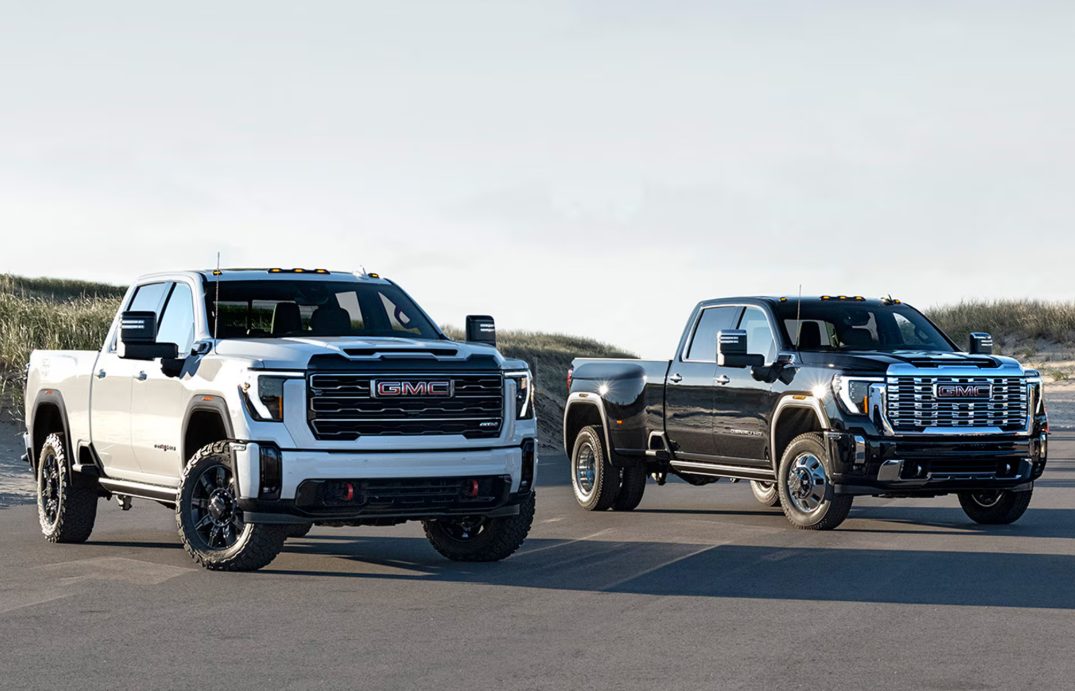
Two 2026 GMC Sierra HD trucks

GMC Sierra Duramax Diesel Service Tips: Maximizing Warranty and Longevity

Your GMC Sierra Duramax diesel isn't just a truck; it's a major investment in lasting reliability. Its powerhouse engines have earned their stripes for decades, but even the toughest diesel needs proper care. In this guide, we'll walk through expert maintenance strategies to protect your warranty and extend the life of your Duramax engine, tailored especially for truck owners in the Carmel, New York, area who count on their rigs for powerful performance every day. Understanding Duramax Longevity: What Determines Engine Life Expectancy Diesel engines aren't built like gas ones. Thicker cast-iron blocks, heavier crankshafts, and stronger pistons are designed to handle brutal compression loads. The LBZ, produced in 2006 and 2007, is the gold standard, commonly hitting 400,000 miles with basic maintenance. In 2025, the Sierra 1500's 3.0L Duramax has a 10-speed automatic transmission and can tow up to 13,200 pounds, while Sierra Heavy Duty models offer a 6.6L Duramax that can pull up to 36,000 pounds when properly equipped. Thanks to its sturdy construction, a well-maintained GMC Duramax diesel engine can easily reach hundreds of thousands of miles. Factory-Recommended Duramax Maintenance Schedule for 2025 Sticking to factory service intervals is your best defense against premature wear and warranty headaches. GMC officially recommends servicing your truck every 7,500 miles or once yearly, whichever comes first, including an oil change and tire rotation. More extensive checks should occur every 22,500 miles or two years, including a diesel exhaust fluid (DEF) system inspection and fuel filter changes. Knowing the difference between severe duty and normal driving matters. Pulling heavy trailers, hauling loads, climbing steep hills, or making long highway runs all count as severe duty, and these conditions demand more frequent Duramax service. Your truck's oil life monitor tracks your driving patterns, but if you're regularly working your truck hard in the Carmel area, dealing with winter weather and rough terrain, you'll want to become familiar with the complete maintenance schedule to keep your truck running at its best year-round. Critical Service Components That Maximize Duramax Longevity Oil is your engine's lifeblood, so make sure to always use the correct type. For example, the 3.0L Duramax in the Sierra 1500 needs exactly 7 quarts of Dexos D 0W-20 synthetic oil, GM's specific formula for optimal cold starts and fuel efficiency. This protects your engine during Carmel's frigid winters while maintaining proper thickness when hot. If you have a high-mileage truck, it will benefit from occasional oil analysis to catch any problems early. Your CP4.2 injection pump demands serious attention, as pump failure can spray metal particles throughout your fuel system, destroying injectors, lines, rails, and tanks. Total repair bills can be extremely expensive. The pump's design is sensitive to ultralow sulfur diesel, water contamination, and fuel debris, so you should change your truck's fuel filters sooner than 22,500 miles if you drive in dirty conditions. It's good practice to check the air filters at every Duramax oil change interval and replace them by 45,000 miles, or sooner in dusty conditions. Cooling systems need fresh coolant every five years or 150,000 miles, plus regular hose and radiator checks. The DEF system requires quality diesel exhaust fluid and contamination monitoring to prevent crystal deposits and costly emissions failures. Warranty Protection Strategies for Duramax Owners Getting smart about warranty coverage can save you a lot of money down the road. GM gives you a bumper-to-bumper warranty for three years or 36,000 miles, plus a powertrain warranty covering critical engine, transmission, and drive components for five years or 60,000 miles. The catch is that you've got to stick to the factory service schedule. If you skip Duramax engine maintenance, you might find yourself paying for repairs that should've been covered. The parts you choose matter too. Original equipment manufacturer (OEM) parts typically cost 50%-100% more than aftermarket options, but they fit perfectly and reduce installation headaches. More importantly, factory parts come backed by GM's warranty, giving you coverage if something fails. Aftermarket parts, on the other hand, have unreliable warranty protection and often don't fit correctly without modifications. Using authorized GMC service centers and keeping detailed records gives you the paper trail you'll need for warranty claims while protecting your truck's resale value. Common Duramax Maintenance Mistakes That Reduce Longevity The Duramax oil change cost may tempt you to stretch change intervals too far, but this can be more expensive in the long run. Though Duramax engines can go 10,000 miles between changes, professionals recommend 5,000-mile intervals for trucks enduring towing, hauling, or tough conditions. Each Duramax generation has unique issues worth knowing about. For example, the LB7 (2001-2004) has weak injectors that are hidden under the valve covers, which complicates repairs when they fail, while LML engines (2011-2016) often have turbo troubles and emissions problems affecting DEF components. Warning Signs Your Duramax Needs Immediate Attention If your truck has starting troubles, especially in cold weather, you might have fuel delivery or glow plug problems that require prompt attention. A tiny puff of smoke from your exhaust under a heavy load is normal, but constant black smoke signals fuel-air mixture issues. If you notice your fuel economy tanking, it could indicate injector problems or a clogged air filter. These seemingly minor symptoms can quickly become warranty-voiding repairs if ignored. Pay close attention to specific trouble codes that demand immediate action, such as P0087 (Low Fuel Rail Pressure), P20BA (DEF Heater Fault), and P0335 (Crankshaft Position Sensor Error). These diagnostic codes can cause no-starts or put your truck in limp mode. CP4 pump failures will show clear warning signs, such as hard starting and power loss under load. Dashboard warning lights, knocking sounds, rattles, or any performance changes indicate that it's time to call the professionals. With diesel engines, seemingly small problems can escalate into costly repairs faster than you'd think. Keep Your Duramax Running Strong With Expert Service Factory-trained GMC technicians know Duramax engines inside and out and only use the correct fluids and parts for your vehicle. They follow GMC's guidelines by using genuine OEM components, which is vital for complex diesel emission systems and generation-specific needs. Professional service guarantees proper diagnosis and prevents warranty nightmares from non-dealer work. Maintenance protects your investment, so don't wait until trouble starts. At Meadowland GMC, our technicians have the specialized training your truck deserves. Visit us or phone our service team to protect your GMC with expert care. We'll help you keep your Duramax pulling strong for miles to come. Images from gmc.com

Red 2026 GMC Sierra 1500 AT4X

How the 2026 GMC Sierra 1500 Stacks Up in Power and Performance

The 2026 GMC Sierra 1500 arrives as one of the most capable light-duty trucks available, offering four distinct engines tailored to the way drivers in Carmel, New York, work, tow, commute, and explore the Hudson Valley. Whether navigating wintery Putnam County roads or hauling equipment up Route 6, the Sierra's strength comes from its thoughtfully engineered powertrains. Our Meadowland GMC team walks you through how the 2026 GMC Sierra 1500 stacks up in power and performance to help you match the perfect engine to your lifestyle. Which 2026 GMC Sierra 1500 Engine Is Right for You? GMC offers a versatile lineup for the 2026 Sierra 1500: the TurboMax 2.7-liter turbo-four, the 5.3-liter V-8, the 6.2-liter V-8, and the 3.0-liter Duramax turbo-diesel. TurboMax 2.7-Liter Turbo Four-Cylinder: Efficiency Meets Capability Drivers in the Carmel area who need a vehicle for their daily commute and then haul a boat or perform light towing on the weekends will find that a 2.7-liter turbocharged four-cylinder engine offers power, reliability, and fuel economy. The TurboMax engine generates 310 horsepower and 430 pound-feet of torque, more torque than many competing V-6 engines. Drivers in Carmel appreciate how quickly the TurboMax delivers low-end power, especially when accelerating up hilly local roads or merging onto I-84. With proper configuration, the TurboMax provides 9,500 pounds of impressive towing capability suitable for utility trailers, landscaping equipment, or small campers. The TurboMax delivers well-balanced performance through a highly effective torque curve, enabling heavy items to be easily transported with minimal effort. The TurboMax is a highly efficient design and an excellent choice for daily travel between Mahopac, Kent, and Brewster. It has a responsive feel, is lighter than other vehicles, and delivers power effortlessly through turbocharging. 5.3-Liter V-8: The Proven Workhorse GMC Sierra pickups have long featured a 5.3-liter V-8 engine, providing reliability and performance for many truck and van owners. Truck owners in Carmel seeking a durable engine option for their pickup trucks will find that the 5.3-liter V-8 continues to exceed their needs and expectations, delivering exceptional versatility. The legendary 5.3-liter V-8 delivers balanced strength with smooth, predictable power. Sierra owners who own their trucks for extended periods favor this engine due to its proven longevity. The powerful mid-range torque makes it ideal for towing confidence up to 11,200 pounds, allowing for use of trucks regularly to haul boats to Lake Mahopac, ATVs to local trails, and tools/equipment from job sites to home and back. The Dynamic Fuel Management system from GMC uses a smart cylinder deactivation function that allows the vehicle to transition smoothly between active/smooth-cylinder operation at reduced loads, thereby maximizing fuel efficiency for highway and rural driving while maintaining V-8 power. 6.2-Liter V-8: Maximum Power Performance The 6.2-liter V-8 is built for drivers who want the strongest performance the Sierra 1500 can offer. For Carmel-area drivers who regularly tow large trailers, haul heavy equipment, or want premium power on every drive, this option brings maximum capability without compromise. With well over 400 horsepower and massive torque, the 6.2-liter V-8 delivers instant throttle response and confident acceleration, ideal for heavy-duty tasks or performance-focused driving. Paired with the 10-speed transmission, this option is a top choice for maximum towing demands of up to 13,300 pounds, depending on the package. If you regularly haul equipment, large boats, or enclosed trailers, this engine provides the muscle required for the heaviest Sierra 1500 loads. The 6.2-liter V-8 engine delivers the Sierra with high levels of athleticism and strength in any driving situation. From precision handling through sharp-cornering maneuvers along the Taconic Parkway to rugged back-road jobs in urban areas, the Sierra allows drivers to tap into its full potential. 3.0-Liter Duramax Turbo-Diesel: Torque and Efficiency The 3.0-liter Duramax straight-six diesel is engineered for maximum torque to deliver optimal performance for long-hauls and continuous towing. It produces abundant low-end power, giving drivers smooth, effortless acceleration even when pulling weight. This engine unlocks the Sierra's highest towing figures of 13,300 pounds. If you transport equipment between Carmel and neighboring counties, or tow horses, RVs, or heavy trailers, the Duramax delivers steady power with less downshifting. Known for exceptional fuel efficiency, the Duramax shines on long highway drives, which is perfect for drivers who frequently travel across New York State, commute long distances, or value maximum range between fuel stops. Transmission and Drivetrain Impact on Performance Most Sierra 1500 engines are paired with a 10-speed automatic transmission, while the TurboMax uses an eight-speed automatic optimized for low-end torque delivery. The high-tech 10-speed automatic transmission delivers efficient, seamless shifts, improving towing capacity, fuel efficiency, and overall ride quality. Whether you're driving around town or transporting heavy loads on the highway, you'll enjoy a confident, stable feel while operating your Sierra. Drivers in Carmel often choose 4WD for its year-round traction, especially during the Hudson Valley's snowy winters. 4WD improves control on uneven terrain, gravel driveways, and seasonal conditions. 2WD delivers better fuel efficiency and works well for those who primarily drive on paved roads. Matching Engine Choice To Your Needs The TurboMax shines in its ability to provide both reliable day-to-day performance and power to get things done on the road. It balances power, economy, and responsiveness for families and commuters around Putnam County. The 5.3-liter V-8 delivers dependable strength for everyday towing without requiring maximum power. This engine is perfect for those who tow any equipment, a boat, or a trailer year-round. The 6.2-liter V-8 and the 3.0-liter Duramax Diesel engine will give you extreme confidence under the highest loads. If you are doing performance work, you would want the V-8. The 3.0-liter diesel engine is ideal for those who wish to tow great distances. Our Meadowland GMC team is here to help you decide which engine best fits your needs. Test Drive the 2026 GMC Sierra 1500's Power in Carmel, New York The best way to understand how the 2026 GMC Sierra 1500 stacks up in power and performance is to feel it for yourself. At Meadowland GMC, our team is here to help you compare engines, explore towing packages, and find the proper configuration for your lifestyle in Carmel and beyond. Call us at 845-228-8460 or complete our secure online form to ask questions, explore financing options, or schedule your test drive to discover the Sierra 1500 today. Images from gmc.com

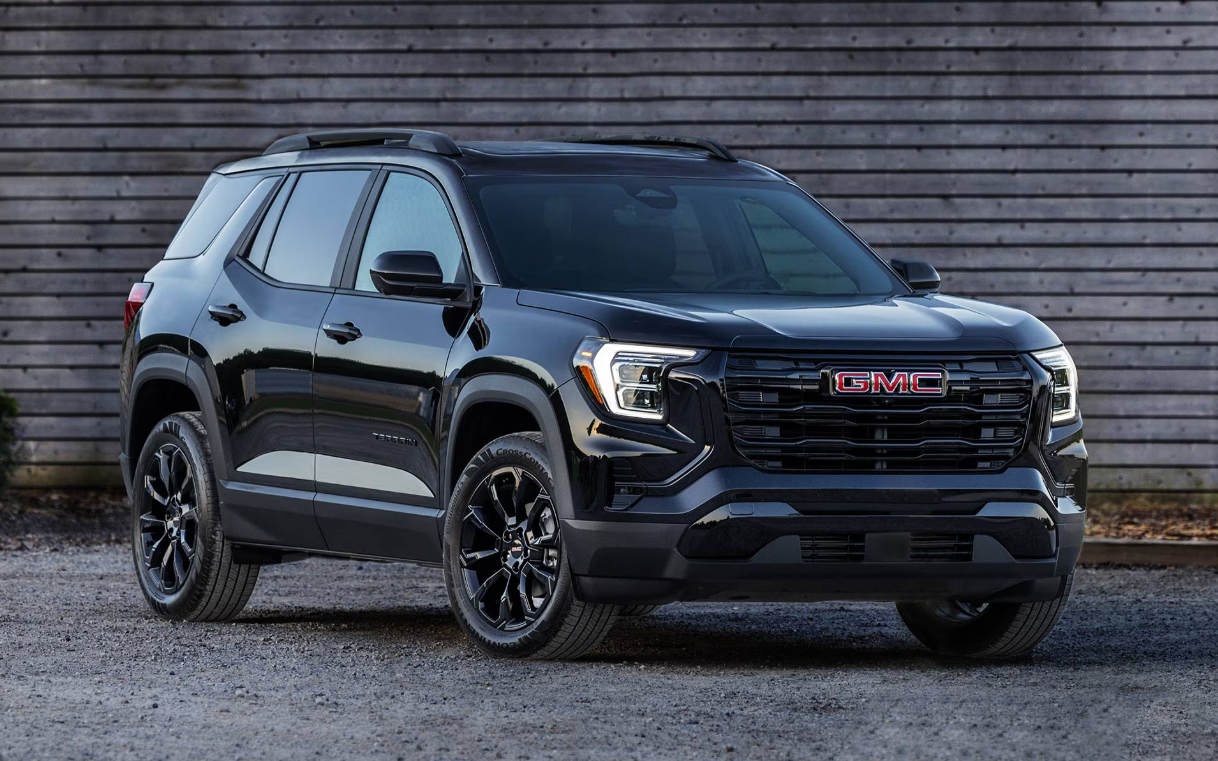
2026 GMC Terrain Elevation

2026 GMC Terrain vs. Toyota RAV4: Interior Quality and Safety Tech Showdown

Trying to find the perfect compact SUV in New York can be challenging. In our 2026 GMC Terrain vs. Toyota RAV4 showdown, we explain what separates their interiors and safety technology. At Meadowland GMC, we acknowledge that they both have solid track records, but they differ significantly in cabin quality, tech setup, and safety features. Let's break down which SUV we believe is the ideal vehicle for your Hudson Valley lifestyle. Interior Materials and Build Quality The GMC Terrain's 2026 upgrades make it stand out. The doors, dash, and center console come wrapped in cushioned, stitched faux leather, which creates a luxury feel unlike a typical compact SUV. The Light Ash Gray/Very Dark Atmosphere colorway is only available on the Denali, though the soft materials carry across the lineup. Premium cloth seats come standard, with perforated leather available. The 2026 Toyota RAV4 takes a practical approach. Material quality changes across trims, with upholstery ranging from basic fabric to Toyota's SofTex synthetic leather, though the XSE and GR Sport models add red stitching to faux leather. A chunky design gives the RAV4's dash a rugged look, and padded vinyl-like door panels have mass-market appeal, balancing function with practical looks. When you sit in both vehicles, the differences become apparent. The 2026 GMC Terrain has a noticeably upmarket, large SUV feel next to the no-nonsense Honda CR-V and the practical Toyota RAV4, all without sacrificing everyday usability. This quality gap is important for Carmel families; whether you're commuting or shuttling kids to Hudson Valley activities, the Terrain's better fit and finish means less fatigue and a nicer experience. Cabin Space and Passenger Comfort The GMC Terrain excels in front seat comfort, with 40 inches of headroom and 40.6 inches of legroom providing enough room for all body types. Heated and cooled front seats with power adjustments help during Carmel's frigid winters and sticky summers. With 41 inches of front legroom and 37.7 inches of headroom, the RAV4 has much the same front space as the Terrain. It also has available heated and ventilated front seats for year-round comfort. Back seat room favors the GMC Terrain with a smart design. Rear passengers get almost as much space as up front, with 39.2 inches of both headroom and legroom. The Toyota RAV4 gives you 37.8 inches of rear legroom, which is tighter than the Terrain, although adults are comfortable in both vehicles. The Terrain Denali adds heated rear outboard seats, which are an added bonus during cold Hudson Valley mornings. Cargo space is a different story, with Toyota taking the win. The GMC Terrain gives you 29.8 cubic feet behind the rear seats and opens to 63.5 cubic feet when the seats are folded. Rivals such as the Honda CR-V offer over 70 cubic feet in total. The RAV4 has more cargo room at 37.6 cubic feet behind the rear seats and 69.8 cubic feet with the seats folded. Testers fitted 10 carry-on suitcases behind the RAV4's rear seats and 24 cases with the seats down. Infotainment and Technology Features The tech setup favors the GMC Terrain with more screen space. You get a 15-inch premium GMC infotainment system paired with an 11-inch digital gauge display. These dual screens come standard on the 2026 Terrain. The Toyota RAV4 comes standard with a 10.5-inch screen and an available 12.9-inch version on select models. The 12.3-inch digital cluster has a 10.9-inch touch screen or an optional 14.6-inch touch screen. Both SUVs offer solid connectivity, but the GMC Terrain has more features. You can view three apps simultaneously on the main screen, allowing drivers to check navigation while passengers can handle music or messages. Both include wireless Apple CarPlay and Android Auto as standard. The RAV4 connects two phones via Bluetooth, while the Terrain includes Google Assistant integration that lets you reply to texts, ask directions, or control Spotify hands-free. Sound systems present a mixed bag. Both come with a six-speaker audio system as standard across all trims. Music lovers can opt for a nine-speaker JBL system on select models of the 2026 RAV4. If you're keen on getting a GMC Terrain, get in touch with us to learn about our financing options. Digital gauge displays differ, with the Terrain's 11-inch panel offering sharp graphics and layout choices, including a traditional speedo/tach combo. Clear visuals make checking info easy while driving. The RAV4's 12.3-inch digital cluster comes standard, but you'll need the Limited or XSE trims for the available head-up display. Safety Technology and Driver Assistance Safety gear is where the Terrain excels. The GMC Pro Safety suite includes advanced auto emergency braking, front pedestrian and cyclist braking, reverse auto braking, intersection emergency braking, blind-zone steering assist, and more. Toyota's Safety Sense 2.5 includes rear pedestrian alerts, forward collision alerts, and lane-keep assist with departure warning. Advanced options include parking assist with automatic braking and a bird's-eye view camera. While we don't have 2025 crash test scores yet, both vehicles received five-star overall safety ratings from the National Highway Traffic Safety Administration for their 2024 models and are expected to maintain their strong safety records. Real-world safety isn't just about test numbers. The Terrain's better visibility, early warning systems, and multiple auto-braking features provide active protection for families dealing with seasonal driving in the Hudson Valley. Climate Control and Convenience Features Climate options and everyday conveniences make a difference, particularly for families dealing with New York's unpredictable seasonal weather. Upper Terrain trims offer dual-zone climate control that allows passengers to set their ideal temperature, and its air conditioner works so well that it got a reviewer call-out for its effectiveness. The Terrain excels in cabin storage with clever touches such as a large rubber-bottomed tray with USB-C ports. These thoughtful details separate vehicles from being just family transporters to ones that make your daily routine a pleasure. Your Interior Comfort Champion Awaits at Meadowland GMC This 2026 GMC Terrain vs. Toyota RAV4 comparison shows a clear winner for families who want it all. Recently a car expert said, "The GMC is the crossover to test-drive. It gives you a sense of the landscape, and rather than just defaulting to the tried and true, you should know what else is out there." Contact us today to arrange a test-drive at our Carmel dealership and feel the premium materials, play with the cool tech, and see firsthand why the 2026 GMC Terrain suits your family.

Black 2026 GMC Terrain Elevation

The All-New 2026 GMC Terrain Trim Levels Compared: Elevation, AT4, and Denali

GMC just rolled out a completely redesigned 2026 Terrain compact SUV, with the original Elevation trim, plus two new models, the AT4 and Denali. At Meadowland GMC, we'll break down the differences between the trim levels, so you can pick the one that fits your lifestyle and needs. Trim Level Overview The 2026 GMC Terrain features three trims: the Elevation, AT4, and Denali. The base Elevation comes with a stylish grille, and you can add a two-tone roof, while the AT4 Edition has off-road gear for rugged versatility. The Denali Version is a showstopper with animated LED headlamps and taillamps that put on a light show when you start it up. Prices start at $31,895 for the Elevation, $41,095 for the AT4, and $43,595 for the Denali. Elevation: The Value-Focused Entry Point Even though the GMC Terrain Elevation trim is the entry-level model, it includes some great standard features, such as active noise cancellation, heated front seats, and a heated steering wheel. There's also a 15-inch diagonal Premium GMC infotainment system and an 11-inch diagonal driver information center for all your tech needs. Over 16 standard safety and driver assistance features come with the Elevation, including blind-zone steering assist, rear cross-traffic braking, forward collision alert, a high definition (HD) rear vision camera, and front pedestrian and bicyclist braking. If you're a Carmel family hauling kids' sports gear or groceries, you'll appreciate the cargo space, with 63.5 cubic feet behind the first row and 29.8 cubic feet behind the second row. AT4: The Off-Road Adventurer The 2026 AT4 trim is ready for adventure with a selectable Terrain drive mode that gives you better throttle control on uneven surfaces and Hill Descent Control that helps you handle steep descents without riding the brakes. The 17-inch Dark Machined aluminum wheels come with all-terrain tires, and the minimum ground clearance goes from 5.75 inches in the Elevation to 6.52 inches. Protection includes steel skid plates underneath and tow hooks for recovery situations. The raised suspension and bigger tires improve your off-road game so you can tackle trails on weekends while still being comfortable for daily driving around Carmel. Inside, the AT4 comes with an available eight-way power-adjustable driver's seat with lumbar support, overhead sunglass storage, and dual-zone climate control. Denali: The Luxury Performer For its top trim, the Terrain Denali, GMC includes heated and ventilated front seats, heated rear seats, and perforated leather-appointed front seats that make the cabin feel like a premium space. The suspension is specifically tuned for maximum ride comfort, so every bump gets smoothed out nicely. The styling details set the Denali apart. You can choose between 19-inch Midnight Silver wheels or move up to 20-inch After Midnight machined-face aluminum wheels. Chrome accents throughout give it an upscale look, while tech such as the HD surround vision and rear camera mirror keep you connected and safe. Performance and Powertrain Overview All of the 2026 GMC Terrain models get the same 1.5-liter turbocharged four-cylinder engine producing 175 horsepower, but the torque differs depending on your drivetrain choice. Front-wheel-drive (FWD) models make 184 lb-ft of torque, while all-wheel-drive (AWD) versions get 203 lb-ft, which helps when you're driving through the hills around Carmel or need to tow something. FWD models get a continuous variable transmission (CVT), but AWD versions get an eight-speed automatic transmission with smoother shifts and better performance. The fuel economy for the GMC Terrain stays competitive. The FWD models get 26 mpg in the city, 28 mpg on the highway, and 27 mpg combined, while AWD versions get 24 mpg in the city, 26 mpg on the highway, and 25 mpg combined. Making the Right Choice Picking the right 2026 GMC Terrain trim really comes down to what matters most to you and your Carmel lifestyle. Budget-conscious buyers will find the well-equipped Elevation trim handles most needs perfectly. Adventure types should check out the AT4's off-road capabilities for exploring beyond paved roads. And luxury buyers will love the Denali's premium appointments and exclusive features that turn every drive into something special. Discover Your Perfect 2026 GMC Terrain at Meadowland GMC The 2026 GMC Terrain provides the versatility Carmel families need while delivering the capability and refinement GMC customers expect. Whether you prioritize value, adventure capability, or luxury appointments, there's a Terrain trim to fit your lifestyle and budget. Stop by Meadowland GMC today to check out our complete 2026 Terrain lineup in person and discover the difference between the trims yourself.

2026 GMC Savana

2026 GMC Savana vs. Ford Transit: Which Van Is Built for Your Business Needs?

Your commercial van is the workhorse that keeps your business moving day after day. For Carmel business owners, choosing between the GMC Savana and Ford Transit can make or break your daily operations. Whether you're hauling equipment across the Hudson Valley, shuttling passengers around town, or delivering products to customers, this guide will help you pick the perfect van for your business. Understanding Your Commercial Van Requirements Before signing anything, ask yourself what your business actually needs. If you haul heavy loads, payload capacity becomes absolutely necessary. Work vans pull double duty as rolling workshops, mobile offices, warehouses, and moving billboards around Carmel. Whether you want good mileage, organized storage, serious muscle, or even temperature control, getting clear on these must-haves saves you from being stuck with the wrong van later. Performance and Capability When choosing the best cargo van for your business, power and utility are important aspects to consider. Engine Options and Power Delivery The GMC Savana offers two engines for different work needs. The standard 4.3L V-6 delivers 276 horsepower and 298 lb-ft of torque. The optional 6.6L V-8 produces 401 horsepower and 464 lb-ft of torque, great for heavy trailers. Prioritizing fuel efficiency, the Ford Transit includes a 3.5L V-6 outputting 275 horsepower and 262 lb-ft of torque or a 3.5L EcoBoost V-6 producing 310 horsepower and 400 lb-ft of torque. Payload and Towing Capacity The GMC Savana pulls up to 10,000 pounds when properly equipped. It's ideal for contractors and landscapers. The Ford Transit maxes out at 6,900 pounds towing. However, the Ford Transit carries up to a 5,103-pound payload in certain setups, while the Savana only offers up to 4,280 pounds in the 3500. The Ford is better if you need a high payload, but Savana's towing strength matters for loaded trailers. Interior Space and Cargo Configuration Both vans provide plenty of space but prioritize different features. Cargo Area Dimensions and Volume The Ford Transit offers 536.4 cubic feet of cargo space in its largest configuration. Plus, Ford lets you mix roof heights and wheelbases to customize exactly how much room you need. The GMC Savana maxes out at 283.6 cubic feet in its long-wheelbase model, focusing on toughness and easy access rather than sheer volume. Seating Configurations and Capacity Both vans shine at people-moving, offering flexibility with configurations ranging from two seats up to 15. The GMC Savana Passenger Van seats up to 15 people, and Ford's Transit Passenger matches that 15-person capacity. Storage Solutions and Organization Features Different businesses need different storage layouts, which is why both vans let you install shelving, dividers, and storage systems to match your work needs. The Savana's body-on-frame design gives you solid mounting points for heavy-duty racks, while the Transit's unibody offers flexibility for lighter storage. Technology and Connectivity Features Inside these vans, you'll find different options for navigating New York streets and keeping track of business operations. Infotainment Systems and Fleet Management The 2026 GMC's low-tech infotainment system doesn't come with a touch screen. But you can use the myGMC mobile app for tracking fuel levels, tire pressure, and vehicle health in real time. The Savana also includes an OnStar Telematics Plan so fleet managers can monitor several vehicles at once. These systems let you keep tabs on vehicle condition, fuel use, and driver habits to cut costs. As your business grows beyond one or two vans, centralized tracking becomes valuable for keeping everything running smoothly. Ford's 2026 Transit comes standard with a 12-inch touch screen running SYNC 4 software. It works with Apple CarPlay and Android Auto, so smartphones integrate seamlessly. You can access maps, calls, and work apps through voice commands without taking your eyes off the road. You may prefer Ford's large screen if your business relies heavily on navigation or mobile apps. Safety and Security Features To keep everyone safe on the road, each van comes packed with safety and driver-assistance features. Plus, you'll find extra security options preinstalled to help prevent theft. Standard Safety Equipment Both vans include safety essentials such as multiple airbags, electronic stability control, and traction systems. These features prevent accidents and maintain stability during poor road conditions. They're business necessities that provide peace of mind for daily operations. Both meet federal safety standards with commercial-specific features including visibility aids and stability systems for loaded vans. Advanced Driver-Assistance Systems The GMC Savana offers forward collision alert, lane departure warning, and Side Blind Zone Alert working together to prevent accidents. You can also add Rear Park Assist for detecting obstacles when backing up. You'll appreciate this on busy job sites. These technologies boost driver confidence during long workdays. The Ford Transit offers similar driver-assistance technology, though specifics vary by trim level. Cargo Security Options Your security needs depend on cargo, parking locations, and insurance requirements. The GMC Savana includes theft alarm notifications and remote locking features for van monitoring and break-in alerts. These are critical when parked at job sites, customer locations, or overnight storage. The Ford Transit has comparable security options, varying by configuration. Reliability and Maintenance Considerations When choosing between the Ford Transit vs. GMC Savana, you should consider reliability and long-term costs. Long-term Reliability and Maintenance These are both some of the most reliable cargo vans, but the GMC Savana features proven mechanical systems shared with the Chevrolet Express. Its simpler design means fewer parts to break during commercial use. Plus, it's often cheaper to fix with widely available parts and experienced mechanics. The Savana also benefits from GMC's dealer network plus numerous independent shops throughout the Hudson Valley. The Ford Transit offers a modern design but lacks Savana's battle-tested platform longevity. Both handle tough work, but Savana's simpler mechanics and longer track record provide confidence when downtime isn't an option. You should consult your owner's manual for scheduled maintenance advice to keep your van in good condition. Warranty Coverage GMC and Ford both offer solid commercial van coverage, including bumper-to-bumper protection and powertrain warranties. Commercial registration or multiple van purchases may qualify for special business warranty programs. You can also purchase extended warranty packages for additional coverage. At Meadowland GMC, we can help you understand warranty details, limits, and maintenance requirements to protect your investment. Choose the GMC Savana for Your Business Needs in Carmel, New York Your choice depends on business priorities. The GMC Savana delivers serious muscle, while the Ford Transit works best for maximum storage space and payload. The 2026 GMC Savana Passenger Van starts at $47,950; the Ford Transit Passenger Van begins at $58,680. Our Meadowland GMC team understands local business needs after decades helping Hudson Valley companies. Browse our inventory online, contact us to arrange a test-drive, and discuss how the right van helps your business grow.

GMC Terrain

Certified Pre-owned GMC vs. Used: Is It Worth It? Warranty, Benefits, and Costs

Car shopping in Carmel, New York, often leads to a tough decision: Should you pick a certified pre-owned (CPO) vehicle or go with a regular used car? GMC's CPO cars go through a tough 172-point check and come with factory-backed warranties that typical used cars just can't offer. GMC also runs the CarBravo platform, where you'll find quality pre-owned vehicles that pass similar checks but with lighter perks. Our team at Meadowland GMC breaks down the benefits of GMC's CPO program to help you make the right choice. GMC's CPO Inspection Process and Quality Standards All CPO GMC vehicles get put through a 172-point check that looks at everything from the air-conditioning system to the undercarriage. Technicians inspect the engine, transmission, entertainment systems, electronics, tires, and safety tech. Every GMC CPO vehicle must clear this same intense evaluation, setting them miles apart from your average used car lot offerings. CPO cars need to be under 6 years old, have fewer than 75,000 miles, and carry a clean title. GM makes dealerships fix all safety recalls before certification too, so you can feel confident knowing you're getting a vehicle that meets top safety standards. This level of attention beats what most regular used cars get, giving you peace of mind when you drive off the lot. GMC CPO Warranty Coverage and Protection When you buy a CPO GMC, you'll get a six-year/100,000-mile powertrain warranty and a 12-month/12,000-mile bumper-to-bumper warranty. The bumper-to-bumper warranty covers most vehicle parts and systems, while the powertrain warranty protects the engine, transmission, and drive axles. You'll also get 24/7 roadside assistance for the full duration of the powertrain warranty. Plus, there's a two-year/24,000-mile maintenance program that covers two service visits, including oil changes and tire rotations. On top of that, GMC lets you exchange your CPO vehicle within three days or 150 miles in case of change of mind, provides courtesy transportation if your vehicle needs fixing, and throws in free trials of OnStar and SiriusXM. These extra perks create an ownership feeling that's close to buying new without taking that massive new-car depreciation hit. Financing and Incentives for CPO vs. Used GMCs You'll rarely see factory-backed financing deals on regular used cars. CPO vehicles are different; qualify for a CPO financing deal and you'll save cash over your loan's lifetime. Most banks offer better rates and longer terms for new vehicles compared to used car loans, making CPO cars a smart middle ground with the bonus of factory support. GMC Reliability and Long-term Ownership Costs In the 2025 Vehicle Dependability Study by J.D. Power, GMC landed in seventh place out of 30 brands, proving the manufacturer's reliability. RepairPal says GMCs typically cost about 16% more to fix than average vehicles, so having the warranty protection of a CPO vehicle gives peace of mind. CPO cars can cost several thousand more upfront than similar noncertified ones, but this extra cash often pays off through solid warranty protection and fewer issues down the road. When a CPO GMC Makes Financial Sense Regular used cars typically cost 30% less than new ones and 15% less than CPO vehicles. But GMC's CPO vehicles offer roughly $2,600 in built-in value compared to regular used options. A CPO car makes sense if you want that extra security, plan to keep your vehicle for years, and value those factory warranties. Looking at CPO options also cuts out a lot of the guesswork when shopping. You can filter dealership websites to show only CPO inventory. If you're not ready to spend the extra cash on a CPO vehicle, GMC's CarBravo program offers a middle ground between full CPO and regular used options. CarBravo certified rides come with a basic warranty, 24-hour roadside assistance, courtesy transportation, and a 10-day/500-mile exchange policy. Each one gets a basic inspection, a free CARFAX report, a one-month OnStar trial, and a three-month SiriusXM trial. Find Your Perfect CPO GMC at Meadowland GMC Your choice between a CPO and regular used GMC comes down to your needs and budget. If you value solid warranty protection, detailed inspections, and extra perks, a CPO vehicle's your answer. If you need to stretch your dollars as far as possible, a regular used car might work better. Whether you're leaning toward a CPO vehicle for the extra security or a regular used GMC to save cash, our team at Meadowland GMC in Carmel can help you find the right ride. Contact us today to ask about our CPO inventory or schedule a test-drive.

2026 GMC Terrain

What’s New in the 2026 GMC Terrain? Design, Safety, and Tech Upgrades

Are you seeking a compact SUV with a bold design, modern technology, and ample space for your family? The 2026 GMC Terrain is a perfect choice. This vehicle is designed to make your journeys comfortable and fun, whether you’re leisurely driving along Route 6 or exploring Carmel’s back roads. Interior Design Revolution and Exterior Design Updates The 2026 GMC Terrain features a bold new appearance inside and out. These updates create a more spacious, modern, and commanding presence on the road. Driver-focused cockpit: The cabin has an 11-inch digital gauge cluster as a standard feature across all trims. This display offers all the essential information directly in your line of sight for a clear, contemporary driving experience. Increased console space: By moving the gear selector to the steering column, GMC has opened up the center console. This change provides more practical storage space for your phone, coffee, or other essentials for your drives around Carmel. Spacious and welcoming feel: The combination of intentional design choices and a larger frame results in a beautifully redesigned cabin that feels modern and exceptionally roomy, making it ideal for family adventures. Bold, truck-inspired stance: Drawing inspiration from larger GMC models like the Acadia, the 2026 GMC Terrain now features a bolder, more aggressive stance that grabs attention and stands out on the road. Signature lighting and grille: Assertive C-shaped LED headlights frame a redesigned grille. These design elements give the GMC Terrain a distinctive and modern face that stands out on Carmel’s roadways. Larger dimensions for a smoother ride: The 2026 model features a larger size and an extended wheelbase. This upgrade not only offers a more spacious interior but also improves ride comfort and stability. You’ll find that trips through Carmel’s picturesque neighborhoods and local landmarks can be more enjoyable. Advanced Technology and Infotainment Systems The 2026 GMC Terrain is ideal for today’s tech-savvy families. A large, portrait-style 15-inch-diagonal GMC Infotainment System with a touchscreen serves as the hub for all your media and vehicle settings. It offers intuitive and easy-to-use controls at the center of the dashboard. Families in Carmel can navigate to soccer practice or a friend’s house using the built-in Google Maps app. On longer trips, the available 5G data connection allows you to download apps to keep the kids entertained. With standard Apple CarPlay and Android Auto, the 2026 GMC Terrain can allow you to safely manage calls and messages while on the go. Comprehensive Safety Technology Suite GMC truly cares about your peace of mind, which is why the 2026 GMC Terrain is filled with an impressive array of standard and available safety features. These systems serve as your helpful co-pilot, guiding you through the busy streets around Carmel with more confidence and ease. GMC Pro Safety Plus This standard suite includes all the essential safety features to help you feel secure on the road. For example, the Enhanced Automatic Emergency Braking can assist in avoiding minor accidents in busy traffic on Route 52. The lane-keep assist with lane-departure warning gently nudges you back into your lane if your vehicle starts to drift, making long drives up the Taconic State Parkway safer and more comfortable. Blind Zone Steering Assist Changing lanes on I-84 just got safer with this system. This feature not only alerts you to vehicles in your blind spot, but it can also provide a slight turn of the steering wheel to help you avoid a potential collision. Adaptive Cruise Control This technology reduces the stress of your commute. It automatically adjusts your speed to maintain a set following distance from the vehicle ahead, taking the constant braking and accelerating out of your highway travels. High-Definition Surround Vision Parking in tight spots at Putnam Plaza is now a breeze. The new system uses several cameras to provide a clear, 360-degree overhead view of your GMC Terrain. Trim Levels and Specialized Packages The 2026 GMC Terrain comes with a trim for every personality and need, making sure you find the correct fit. Each level offers a distinctive mix of style, capability, and luxury. Elevation The GMC Terrain Elevation trim redefines what a base model should be. It is generously equipped with premium features and the bold new styling that characterizes the 2026 GMC Terrain. You’ll get the impressive dual-screen setup, which features a 15-inch diagonal Premium GMC Infotainment System and an 11-inch diagonal Driver Information System, as well as a host of safety technologies. This trim is the perfect starting point for enjoying everything the new GMC Terrain has to offer. AT4 If your weekends involve heading to Fahnestock State Park or navigating snowy backroads, the AT4 is designed for you. This off-road-oriented trim comes standard with a tough all-wheel-drive system, a higher ride height, and all-terrain tires. Underbody skid plates add extra protection, giving you the confidence to explore off the beaten trail. The AT4 blends trail-ready capability with bold, athletic styling. Denali You can opt for the Denali Terrain trim if you want to experience ultimate luxury and refinement. This trim greets you with a signature chrome grille, exclusive wheels, and premium interior appointments like perforated leather seats. It also includes advanced features like a head-up display and heated and ventilated front seats. Together, these features make every drive through Putnam County an exceptionally comfortable experience. Fuel Economy and Performance Features A 1.5-liter turbocharged four-cylinder engine powers the 2026 GMC Terrain. With 175 horsepower and up to 203 lb-ft of torque with the available all-wheel-drive system, you’ll have plenty of power for merging onto State Route 312 or passing on a two-lane road. The front-wheel-drive models are equipped with a smooth-shifting continuously variable transmission (CVT), while the all-wheel-drive versions have an eight-speed automatic transmission. The EPA fuel economy ratings for the 2026 model are impressive: Front-wheel drive (FWD): 26 mpg city, 28 mpg highway, and 27 mpg combined All-wheel drive (AWD): 24 mpg city, 28 mpg highway, and 25 mpg combined Denali/AT4 trims (AWD): 24 mpg city, 26 mpg highway, and 25 mpg combined Experience the 2026 GMC Terrain at Meadowland GMC The 2026 GMC Terrain is a complete transformation of the compact SUV. Featuring a bold look, the latest technology, and top-notch safety features, it’s perfect for drivers and families. Visit us at Meadowland GMC in Carmel, New York, to see the 2026 GMC Terrain up close, enjoy a test drive, and experience its smooth handling. Our knowledgeable team can help you find the perfect vehicle that suits your needs. Images from gmc.com

Contact Us

Fill out this form below and we'll contact you shortly
*Required Fields