



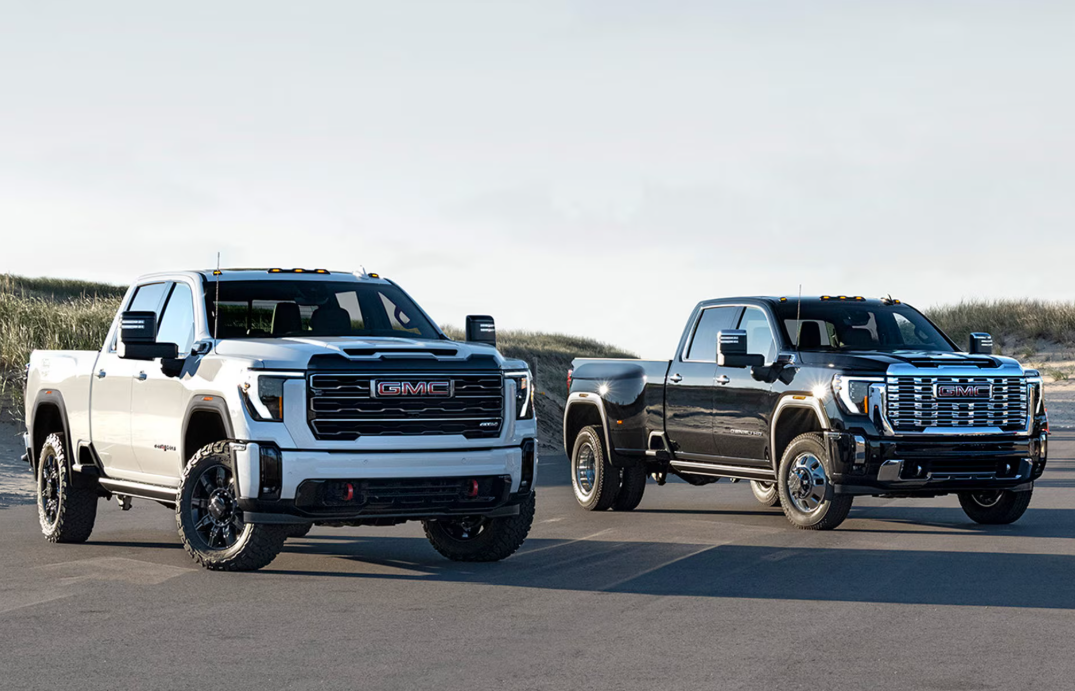
Your GMC Sierra Duramax diesel isn’t just a truck; it’s a major investment in lasting reliability. Its powerhouse engines have earned their stripes for decades, but even the toughest diesel needs proper care. In this guide, we’ll walk through expert maintenance strategies to protect your warranty and extend the life of your Duramax engine, tailored especially for truck owners in the Carmel, New York, area who count on their rigs for powerful performance every day.
Understanding Duramax Longevity: What Determines Engine Life Expectancy
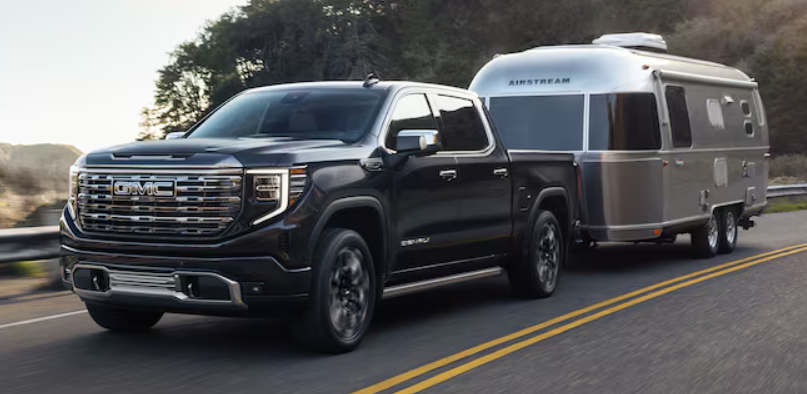
Diesel engines aren’t built like gas ones. Thicker cast-iron blocks, heavier crankshafts, and stronger pistons are designed to handle brutal compression loads. The LBZ, produced in 2006 and 2007, is the gold standard, commonly hitting 400,000 miles with basic maintenance. In 2025, the Sierra 1500’s 3.0L Duramax has a 10-speed automatic transmission and can tow up to 13,200 pounds, while Sierra Heavy Duty models offer a 6.6L Duramax that can pull up to 36,000 pounds when properly equipped.
Thanks to its sturdy construction, a well-maintained GMC Duramax diesel engine can easily reach hundreds of thousands of miles.
Factory-Recommended Duramax Maintenance Schedule for 2025
Sticking to factory service intervals is your best defense against premature wear and warranty headaches. GMC officially recommends servicing your truck every 7,500 miles or once yearly, whichever comes first, including an oil change and tire rotation. More extensive checks should occur every 22,500 miles or two years, including a diesel exhaust fluid (DEF) system inspection and fuel filter changes.
Knowing the difference between severe duty and normal driving matters. Pulling heavy trailers, hauling loads, climbing steep hills, or making long highway runs all count as severe duty, and these conditions demand more frequent Duramax service. Your truck’s oil life monitor tracks your driving patterns, but if you’re regularly working your truck hard in the Carmel area, dealing with winter weather and rough terrain, you’ll want to become familiar with the complete maintenance schedule to keep your truck running at its best year-round.
Critical Service Components That Maximize Duramax Longevity
Oil is your engine’s lifeblood, so make sure to always use the correct type. For example, the 3.0L Duramax in the Sierra 1500 needs exactly 7 quarts of Dexos D 0W-20 synthetic oil, GM’s specific formula for optimal cold starts and fuel efficiency. This protects your engine during Carmel’s frigid winters while maintaining proper thickness when hot. If you have a high-mileage truck, it will benefit from occasional oil analysis to catch any problems early.
Your CP4.2 injection pump demands serious attention, as pump failure can spray metal particles throughout your fuel system, destroying injectors, lines, rails, and tanks. Total repair bills can be extremely expensive. The pump’s design is sensitive to ultralow sulfur diesel, water contamination, and fuel debris, so you should change your truck’s fuel filters sooner than 22,500 miles if you drive in dirty conditions.
It’s good practice to check the air filters at every Duramax oil change interval and replace them by 45,000 miles, or sooner in dusty conditions. Cooling systems need fresh coolant every five years or 150,000 miles, plus regular hose and radiator checks. The DEF system requires quality diesel exhaust fluid and contamination monitoring to prevent crystal deposits and costly emissions failures.
Warranty Protection Strategies for Duramax Owners
Getting smart about warranty coverage can save you a lot of money down the road. GM gives you a bumper-to-bumper warranty for three years or 36,000 miles, plus a powertrain warranty covering critical engine, transmission, and drive components for five years or 60,000 miles. The catch is that you’ve got to stick to the factory service schedule. If you skip Duramax engine maintenance, you might find yourself paying for repairs that should’ve been covered.
The parts you choose matter too. Original equipment manufacturer (OEM) parts typically cost 50%-100% more than aftermarket options, but they fit perfectly and reduce installation headaches. More importantly, factory parts come backed by GM’s warranty, giving you coverage if something fails. Aftermarket parts, on the other hand, have unreliable warranty protection and often don’t fit correctly without modifications. Using authorized GMC service centers and keeping detailed records gives you the paper trail you’ll need for warranty claims while protecting your truck’s resale value.
Common Duramax Maintenance Mistakes That Reduce Longevity
The Duramax oil change cost may tempt you to stretch change intervals too far, but this can be more expensive in the long run. Though Duramax engines can go 10,000 miles between changes, professionals recommend 5,000-mile intervals for trucks enduring towing, hauling, or tough conditions.
Each Duramax generation has unique issues worth knowing about. For example, the LB7 (2001-2004) has weak injectors that are hidden under the valve covers, which complicates repairs when they fail, while LML engines (2011-2016) often have turbo troubles and emissions problems affecting DEF components.
Warning Signs Your Duramax Needs Immediate Attention
If your truck has starting troubles, especially in cold weather, you might have fuel delivery or glow plug problems that require prompt attention. A tiny puff of smoke from your exhaust under a heavy load is normal, but constant black smoke signals fuel-air mixture issues. If you notice your fuel economy tanking, it could indicate injector problems or a clogged air filter. These seemingly minor symptoms can quickly become warranty-voiding repairs if ignored.
Pay close attention to specific trouble codes that demand immediate action, such as P0087 (Low Fuel Rail Pressure), P20BA (DEF Heater Fault), and P0335 (Crankshaft Position Sensor Error). These diagnostic codes can cause no-starts or put your truck in limp mode. CP4 pump failures will show clear warning signs, such as hard starting and power loss under load.
Dashboard warning lights, knocking sounds, rattles, or any performance changes indicate that it’s time to call the professionals. With diesel engines, seemingly small problems can escalate into costly repairs faster than you’d think.
Keep Your Duramax Running Strong With Expert Service
Factory-trained GMC technicians know Duramax engines inside and out and only use the correct fluids and parts for your vehicle. They follow GMC’s guidelines by using genuine OEM components, which is vital for complex diesel emission systems and generation-specific needs. Professional service guarantees proper diagnosis and prevents warranty nightmares from non-dealer work.
Maintenance protects your investment, so don’t wait until trouble starts. At Meadowland GMC, our technicians have the specialized training your truck deserves. Visit us or phone our service team to protect your GMC with expert care. We’ll help you keep your Duramax pulling strong for miles to come.
Images from gmc.com
Connect with us

- August 2026
- July 2026
- June 2026
- May 2026
- April 2026
- March 2026
- February 2026
- January 2026
- December 2025
- November 2025
- October 2025
- September 2025
- August 2025
- July 2025
- June 2025
- May 2025
- April 2025
- March 2025
- February 2025
- January 2025
- December 2024
- November 2024
- October 2024
- September 2024
- August 2024
- July 2024
- June 2024
- May 2024
- April 2024
- March 2024
- February 2024
- January 2024
- December 2023
- November 2023
- October 2023
- September 2023
- August 2023
- July 2023
- June 2023
- May 2023
- April 2023
- March 2023
- February 2023
- January 2023
- December 2022
- November 2022
- October 2022
- September 2022
- August 2022
- July 2022
- June 2022
- May 2022
- April 2022
- March 2022
- February 2022