

Blog / Service Tips

How long do brake pads last?

Brake Pad Replacement

The only thing separating you from disaster on the road are two thin pieces of friction material pressed against a rotor, spinning at high speeds. Your brake pads endure punishing forces every time you slow down your vehicle as they rapidly scrub off kinetic energy and momentum to bring you safely to a stop. Like an athlete constantly pushing their body to the limit, brake pads require proper care and maintenance to perform at their best.

Overlooking simple steps, such as checking pad thickness and replacing worn pads, jeopardizes your vehicle's stopping power. Never underestimate the importance of your brake pads, and prioritize brake maintenance for your safety and that of others on the road.

How Long Do Brake Pads Last?

Brake pads typically last between 30,000 and 70,000 miles, but the frequency at which they need to be replaced depends on various factors, such as:

  • Driving style and road conditions: Aggressive drivers facing frequent uphill and downhill gradients may need brake service after just 20,000 miles. However, those with a gentler approach, mainly driving on highways, can sometimes stretch up to 100,000 miles with the original pads.
  • Vehicle type: Performance vehicles push the braking system to its limits. Still, thanks to technological advancements, premium pads on certain upscale models can achieve 90,000-100,000 miles.
  • Environmental factors: Weather plays a significant role as well. Salted winter roads speed up corrosion, while summer heat leads to glazing — both accelerate brake wear.
  • Materials used: Brake pads come in many types, such as organic, ceramic, and metallic. Some provide more extended life than others but with tradeoffs such as increased noise or reduced performance in cold weather.

This multitude of factors significantly influences the life expectancy of a brake pad. Consequently, a fixed rule for replacement intervals can be misleading and potentially unsafe. Instead, regularly inspect your brake pads, leverage built-in wear indicators, and physically check the pad thickness every 5,000 miles.

Types of Brake Pads

As mentioned earlier, brake pad materials greatly influence their performance and longevity. Let's dive deeper into each type so you can understand when it's time to replace your pads:

  • Organic pads: Made from rubber, glass, or carbon materials, these tend to be quieter and softer on rotors. However, they also wear out faster, especially in unfavorable conditions.
  • Ceramic pads: These are made from a composite of ceramic, copper fibers, and nonferrous bonding agents. They provide excellent stopping power while quieter and more durable than organic pads.
  • Semi-metallic pads: These contain materials such as steel, iron, copper, and graphite. They provide better heat dissipation but come with increased noise and rotor wear.

Remember that proper maintenance is critical to ensuring optimal performance and longevity, regardless of your chosen type. Regular inspections can't be overstated, as catching and addressing issues early on can save you from costly repairs in the future. As always, consult your vehicle's owner's manual for specific recommendations and safety precautions before attempting brake system maintenance or repairs.

Signs of Brake Pad Wear and Tear

While it's useful to have a rough idea of how long your brake pads will last, recognizing common signs of wear and tear is crucial. It's worth mentioning that some symptoms may not be obvious at first glance, but they can still indicate that your pads need to be replaced:

  • Squealing or grinding noises: Squeals come from tiny metal pieces called indicators that produce noise to alert you when your pads need changing. Grinding sounds mean the wear indicators have entirely rubbed off, exposing metal against metal.
  • Unusual vibrations: Warped rotors cause brake pedal or steering wheel vibrations during braking. Unsurprisingly, this can indicate worn-down pads, as the remaining material can't dissipate heat fast enough.
  • Indicator lights: Most modern cars have electronic brake pad wear sensors that monitor pad thickness. While these systems provide peace of mind, they aren't infallible, so visually inspecting the pads is always recommended.
  • Reduced stopping power: Last but not least, reduced stopping power is a key indicator and the main reason you should never ignore your brakes. If it takes longer to come to a stop or requires more pedal pressure, it's time for new pads.
  • Visible pad wear: Generally, if your brake pad thickness is around one-eighth of an inch (3 mm), it's time for a replacement. Regular visual inspections can help spot uneven or significant wear on each pad.
  • Vehicle pulling to one side: Your car veering to one side under braking is a telltale sign of uneven brake pad wear, possibly due to a system malfunction or dirty brake fluid. An immediate brake system inspection is recommended to avert accidents and further damage.
  • Unresponsive pedal: Before a pad wears out entirely, you can experience an unresponsive pedal that requires more pressure before the vehicle slows down. This indicates your pads are dangerously close to failure.

How To Prolong the Life of Your Brake Pads

While brake pads do have a limited life span, there are some measures you can take to increase their longevity:

  • Be aware of traffic, and anticipate potential braking situations: By paying attention to surrounding cars, you can predict when to apply your brakes. Try to brake steadily and gradually rather than suddenly slamming them on, as this puts less strain on the brake pads.
  • Avoid high-speed driving: Sudden braking at high speeds puts your brake pads under extra pressure, leading to faster wear and tear. Stick to the speed limits and maintain a steady pace.
  • Accelerate gently: Heavy, sudden braking increases wear and tear on your brake pads. By accelerating gently and driving responsibly, you can reduce the risk of damage and contribute to a longer life span for your brake pads.
  • Drive light: While you can't always avoid having passengers, you can unload anything in the vehicle that isn't required for a particular journey. Clear out the trunk, remove an unused roof rack, and do whatever you can to reduce the weight of your vehicle where possible.

Schedule Brake Pad Service

If you suspect your car's brake pads need inspection or replacement, don't delay scheduling a service appointment at Meadowland GMC in Carmel, New York. Procrastination can lead to further damage, compromising your vehicle's safety and creating more significant repair costs. We're also your premier destination for original equipment manufacturer parts, ensuring your car receives the best quality components. Our certified technicians have the expertise and state-of-the-art equipment to get you back on the road safely in no time. And if you're due for an oil change or tire rotation, we'll take care of that, too.

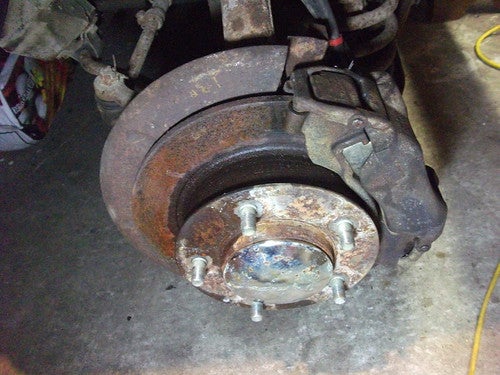
Photo Credit: Passenger side brake put together by dave_7 is licensed with CC BY 2.0 DEED

Posted in:

Related Posts

Two GMC trucks parked in dirt

5 Essential Tips for Maintaining the Value of Your GMC Vehicle

Manufacturer-recommended service keeps small problems from turning into expensive ones, and it's the single biggest factor in what your vehicle is worth down the road. Kelley Blue Book recommends investing in the upkeep of a vehicle you already own, both for better day-to-day performance and fuel economy and for a stronger trade-in value later. If you're wondering how to maintain the value of your GMC, the answer starts with routine care you can schedule service for right now. Why Protecting Your GMC's Value Starts with Consistent Care Whether a GMC holds its value depends less on the badge and more on how the vehicle was actually cared for. A well-documented, properly maintained Sierra or Terrain tends to command stronger offers than an identical model with a spotty service history. GMC truck value especially holds up better when maintenance is proactive rather than reactive. The five habits below aren't complicated. They just require sticking with them, and that consistency is what protects your investment over time. Tip 1: Follow the Factory-Recommended Oil and Fluid Schedule Oil changes are the foundation of engine longevity, but the right interval isn't a single fixed number. GMC's Engine Oil Life System tracks your driving conditions and gives you a heads-up within 600 miles of when service is due, so your actual interval shifts depending on how and where you drive. How Genuine Fluid Services Preserve Engine and Transmission Health Generally, owners can expect around 7,500 miles between oil changes, or as indicated by the Oil Life System, which can extend the interval depending on driving conditions. Conventional oil needs changing roughly every 3,000 miles, while full synthetic dexos1 Gen 3, recommended for newer engines, stretches to every 5,000 to 7,500 miles. Other fluids run on their own schedules entirely: transmission fluid, coolant, brake fluid, power steering fluid, and, for 4WD models, transfer case fluid. Skipping any one of these can quietly wear down components that cost a lot more to replace later. For owners who'd rather budget ahead than pay as issues arise, GMC Pre-Paid Maintenance covers these services in advance. Tip 2: Rotate Your Tires Seasonally for Even Wear Uneven tire wear doesn't just shorten tread life, it affects handling and fuel efficiency too. Following the rotation intervals in your Owner's Manual, and having a trained professional apply correct torque specs, keeps wear balanced across all four tires. Why Seasonal Rotations Matter for Hudson Valley Driving Conditions Auto maintenance in the Hudson Valley has to account for a specific mix: highway miles on I-684, hilly secondary roads that load the outside tires harder than flat terrain does, and four distinct seasons of temperature swings. All of it shows up as uneven wear if rotations get skipped. GMC dealerships offer OEM tires, factory-trained technicians, and documented service records that support resale value down the line, and a future appraiser will look at that documentation. If you're due for a rotation or anything else routine, our GMC service center in Carmel, NY can get you on the schedule. Tip 3: Schedule Regular Undercarriage Washes to Combat Road Salt Winters in Carmel, NY and across Putnam and northern Westchester counties mean regular exposure to road salt, and that salt doesn't stay on the surface. It works its way into the undercarriage, where it quietly corrodes metal components out of sight. Preventing Rust and Corrosion in Winter Months AAA suggests washing every two weeks during winter, more often after heavy snowfall, while Consumer Reports recommends at least once a month, ideally with a touchless wash and underbody spray. Both approaches share the same goal: keeping salt from settling into vulnerable areas. Left untreated, salt buildup damages the undercarriage, fenders, and exposed metal, leading to repairs far costlier than a wash would have been. A consistent washing routine paired with a yearly rust-prevention coating does more for resale value than any amount of cosmetic detailing. Tip 4: Keep Detailed Service Records for Trade-In Confidence If you only take one habit from this list, make it this one. Documentation is what turns routine maintenance into proof, and buyers and appraisers rely on that proof when deciding what your vehicle is worth. How Documented Maintenance Boosts Buyer and Appraiser Trust Kelley Blue Book states that documented service history can increase resale value by up to 20%. At the wholesale level, documented maintenance histories tend to command a modest but consistent premium over undocumented ones. CARFAX folds service records, accident history, mileage accuracy, and title status into their vehicle valuations, so your maintenance history gets reviewed alongside everything else on file. Digital records from apps or manufacturer portals count too, as long as they're printable or shareable with a timestamp attached. What to bring for a faster, higher trade-in offer: Complete maintenance records, printed or digital with timestamps Vehicle title Spare keys and remotes Owner's manual and any warranty paperwork Registration and proof of insurance Tip 5: Choose Genuine OEM Parts Over Aftermarket Alternatives When a part needs replacing, where it comes from matters as much as when it gets replaced. GM Genuine Parts and ACDelco OEM parts are designed, engineered, and tested by GM, and most carry a 24-month/unlimited-mile limited warranty. Why OEM Parts Protect Performance and Resale Value These parts use the same materials as the original build and go through rigorous testing to work in harmony with your vehicle's systems. Buyers and dealerships generally place higher value on vehicles maintained with OEM components, often reflected in a 5 to 10% higher resale value compared to those repaired with aftermarket parts. Aftermarket parts don't automatically void your GMC's warranty, but GM can deny a specific claim if it's tied directly to an aftermarket part's failure. Sticking with OEM parts simply takes that risk off the table. Your GMC Service Center in Carmel, NY ASE-Certified Technicians You Can Trust Our service center is staffed by ASE-certified technicians who complete ongoing training to stay current with GMC's evolving vehicle lineup. Whether you drive a Sierra, an Acadia, a Yukon, or a Terrain, our team approaches every appointment with the same goal: helping you maintain the value of your GMC for as long as you own it. Parts Rebates and Service Offers GM runs rebates on the parts most owners actually need, and they rotate through the year. Struts, brakes, batteries, and tires come up regularly, often as mail-in rebates on GM Genuine Parts and ACDelco components. If you're planning a repair, it's worth asking what's running that month before you book, since the timing can make a real difference on a bigger job. We also offer free battery testing, which takes a few minutes and is worth doing before winter rather than after a no-start morning. We serve Carmel, Putnam County, and northern Westchester County, and we're glad to be a local resource for vehicle care beyond just the sale. Visit or Contact Us You can find us at 1952 Route 6, Carmel, NY 10512. Our service department can be reached at 845-228-8465, and our parts department is available at 877-486-5498. We're open Monday through Friday from 8 AM to 5 PM and Saturday from 8 AM to 3 PM. Schedule Your Next Service or Browse Current Coupons Today Maintaining your GMC's value comes down to small, consistent habits that add up over years of ownership. Regular fluid changes, documented service records, and OEM parts all point toward the same outcome: a vehicle that holds its worth and keeps performing the way it should. Book Your Appointment or Get a Trade-In Estimate When you're ready for routine care, book a service appointment online in about a minute. Before you do, check our current service and parts coupons, since the work you were already planning may cost less than you expect this month. Wondering where your vehicle stands today? Get a trade-in value estimate and see what those maintenance habits have been worth.

Man on phone next to GMC yukon

GMC Maintenance Schedule: Optimize Your Vehicle's Performance and Longevity

Regular maintenance is essential for keeping your GMC vehicle running at its best. Following GMC's recommended service schedule helps prevent costly repairs, maintains warranty coverage, and extends your vehicle's life span. Your GMC should receive service every 7,500 miles or once yearly, whichever comes first. This comprehensive guide covers everything you need to know about maintaining your vehicle, including the GMC service schedule and model-specific requirements. SERVICE CENTER SCHEDULE SERVICE CALL US TODAY! General Recommendations for All Models All GMC models require consistent maintenance to perform reliably. Regular oil changes using the manufacturer-specified oil type are fundamental to engine health. Tire rotations and pressure checks help ensure even wear and optimal fuel efficiency. The brake system needs regular inspections to maintain safety and performance. Routine maintenance also includes checking all fluid levels: coolant, brake fluid, and power steering fluid. The air filter should be replaced according to the maintenance schedule, while the battery needs regular inspections to prevent unexpected failures. Safety inspections and checking the belts and hoses for wear help identify potential issues before they become serious problems. Regular leak inspections and proper wiper blade maintenance are essential for basic GMC upkeep. These tasks help prevent serious issues and ensure smooth vehicle operation. Detailed Breakdown by Mileage Intervals At 7,500 miles or 12 months, your GMC needs an oil and filter change, tire rotation, brake pad inspection, and engine air filter checks. The 22,500-mile service adds several essential tasks. Beyond the standard 7,500-mile maintenance items, technicians will replace the passenger cabin air filter and inspect the brake system more thoroughly. At 45,000 miles, your GMC requires more comprehensive service, including oil and filter changes, tire rotation, and cabin air filter replacement. Technicians will inspect the evaporative control system, replace the engine air cleaner filter, and check the brake and clutch fluid levels. Four-wheel-drive vehicles need transfer case fluid changes at this interval. The service also includes inspecting the spark plugs and wires. The 150,000-mile service involves significant maintenance items. The cooling system requires drainage and fresh coolant. Technicians will thoroughly inspect the condition of all accessory drive belts to prevent unexpected failures. Model-Specific Schedules Different GMC models have specific maintenance requirements based on their design and use. The GMC Sierra, with its powerful engines and towing capabilities, may need more frequent fluid checks and changes when used for heavy pulling. The GMC Terrain and Acadia, popular family vehicles, require regular attention to their advanced safety systems and comfort features. The GMC Yukon, with its larger engine and sophisticated features, has unique maintenance needs related to its size and complexity. Each model's maintenance schedule considers engine type, drivetrain configuration, and typical use patterns. While basic maintenance tasks remain similar across the GMC lineup, specific requirements vary by model year and features. Your owner's manual provides detailed information for your particular vehicle. Benefits of Adhering to GMC's Maintenance Schedule Following GMC's maintenance recommendations delivers multiple benefits: Your vehicle will perform better and use fuel more efficiently. Regular maintenance significantly extends your GMC's longevity and helps maintain its resale value. Proper maintenance reduces the likelihood of unexpected breakdowns and expensive repairs. Safety improves with regular maintenance as technicians can spot and address potential issues early. Following the recommended service schedule validates your warranty, protecting your investment. The Role of Warranty in Maintenance — What's Covered vs. Out-Of-Pocket Expenses A warranty covers defects or damage from regular use that affect safety, reliability, or roadworthiness within the specified coverage period, excluding normal wear and tear. GMC offers several warranty protection plans. GMC offers a bumper-to-bumper limited warranty for three years or 36,000 miles. This warranty covers parts and labor for repairs resulting from material or quality defects. It includes tire defects unrelated to normal wear and provides towing to the nearest dealer for warranty repairs. It doesn't cover routine maintenance, everyday wear, or damage caused by accidents, misuse, or modifications. The powertrain limited warranty covers essential engine, transmission, and drive system components for up to five years or 60,000 miles. It excludes sensors, wiring, radiators, hoses, and coolant. Corrosion protection lasts three years or 36,000 miles. Rust-through protection continues for six years or 100,000 miles, covering all body and sheet metal components. While warranty coverage is comprehensive, routine maintenance typically is your responsibility. However, GMC offers additional protection plans in addition to the limited warranty, which includes multiple coverage options. Tips for GMC Owners on Maintenance Best Practices Maintaining detailed service records helps track your vehicle's maintenance history and supports warranty claims. Pay attention to dashboard warning lights and unusual sounds, which often signal developing problems. Using genuine GMC parts helps maintain your vehicle's performance and reliability. Consider seasonal maintenance needs, such as checking your battery before winter or ensuring proper coolant levels for summer. Building a relationship with a trusted GMC service center ensures consistent, quality care for your vehicle. DIY Maintenance Tips for Simple Tasks You can perform several maintenance tasks at home: Level checks for oil, coolant, and windshield washer fluid Proper tire pressure maintenance Windshield wiper inspections and replacements Air filter inspections and battery connection checks Always consult your owner's manual for proper procedures and specifications before attempting any maintenance task. Signs It's Time for Professional Service Watch for these warning signs indicating the need for professional service: Unusual engine noises, such as knocking or ticking Vibrations while driving Decreased fuel efficiency Difficulty starting the vehicle Illuminated dashboard warning lights Unusual odors, particularly burning smells or exhaust odors in the cabin Fluid leaks under your vehicle Keep Your GMC in Top Condition with Meadowland GMC Our Meadowland GMC dealership in Carmel, New York, offers comprehensive maintenance and repair services. Our certified technicians adhere to GMC service plans, which include oil changes and tire rotations, as well as advanced diagnostic and repair services. We use genuine GMC parts to maintain your vehicle's performance and reliability. Schedule your next maintenance today, or visit our Meadowland GMC service center and take advantage of our special offers. Our certified technicians are ready to provide the expert care your GMC deserves. Image from gmc.com

a close up of a tire on a car

How Often Should I Replace My Tires?

Ensuring that your vehicle's tires are in good condition is important for safety and performance on the road. But how often should you replace the tires? In this guide, our team at Meadowland GMC will explore the signs of tire wear, how to maintain your tires, and how often to replace them to keep your car running smoothly. SCHEDULE SERVICE SERVICE CENTER CALL US TODAY! a close up of a tire on a car by Tristan Beischel @Autoily.com is licensed with Unsplash License The Importance of Regular Tire Checks Regular tire checks are important to ensure your tires are performing as they should. These inspections help catch potential issues before they escalate, such as low tread depth, uneven wear, or punctures. Ideally, you should check your tires once a month and before long road trips. Keeping an eye on the condition of your tires could save you from a sudden blowout, which could be dangerous on the road. How To Determine if You Need New Tires Knowing when to replace tires depends on several factors, including tread wear, age, and mileage. While many people focus on how much tread remains, tire age and overall condition are equally important. Tread Depth: The Critical Indicator Tread depth is one of the most reliable indicators of when to change tires. Tires are considered unsafe and should be replaced once the tread wears down to 2/32 of an inch. An easy way to test this is with a penny. Put a penny into the tread groove with Lincoln's head facing down. If you can see the top of his head, your tire tread is too low, and it's time for new tires. Age Matters: How Old Are Your Tires? Even if your tires have adequate tread, you should still consider their age. Tires with very little mileage still shouldn't be used if they're over 10 years old. Rubber degrades over time, and old tires are more prone to failure. If your tires are over 6 years old, you should inspect them regularly. Once they hit the 10-year mark, it's time to replace them, regardless of how much tread is left. Mileage Milestones for Tire Replacement Tire mileage is another key factor. On average, tires last between 36,000 and 75,000 miles, depending on the type of tire and your driving conditions. Factory-installed tires often wear out after around 30,000 miles. High-quality replacement tires typically offer a life span of 50,000 miles, but checking your tires' performance regularly is important. Signs of Wear and Damage There are other signs that indicate it may be time to replace your tires. These include: Bulges or blisters on the sidewall: This indicates potential weak spots in the tire that can lead to a blowout. Excessive vibration: If you notice increased vibration while driving, it could be a sign of tire damage or alignment issues. Uneven wear: This could signal a need for a tire rotation, alignment, or replacement. External Factors Affecting Tire Longevity Several external factors can also affect how long your tires last. Your driving habits, typical road conditions, and climate all play a role in tire wear. Driving aggressively can shorten the life span of your tires. If you drive frequently on rough roads, over long distances, or in extreme weather conditions, you may need to replace your tires more often. Maintaining Your Tires To Extend Their Life Proper maintenance can significantly extend the life of your tires. Here are some tips: Rotate tires regularly: Rotate your tires every 5,000 to 8,000 miles to ensure even wear. Keep tires inflated: Check your tire pressure at least once a month and maintain the manufacturer's recommended psi. Inspect for damage: Regularly check for nails, cracks, or other damage that could compromise tire safety. Alignments, Balancing, and Other Essential Services In addition to regular tire maintenance, having your wheels aligned and balanced periodically is essential. Misaligned or imbalanced tires can wear unevenly and prematurely. If you notice that your car pulls to one side or you feel a wobble in the steering wheel, it might be time to schedule a wheel alignment or balancing service. Tire Replacement FAQ Below, you can find answers to some common questions about replacing your tires. How Often Should Tires Be Changed? Most tires last around six to 10 years or between 36,000 and 75,000 miles, depending on how well you maintain them. Generally, you should inspect your tires regularly and replace them when you notice significant wear or after about six years, even if they still look fine. For example, tires can harden with age, reducing their ability to grip the road effectively. How To Tell if Tires Need To Be Replaced? A few clear signs indicate it's time to replace your tires, including low tread depth, vibrations while driving, excessive or uneven wear, and visible damage such as bulges, cuts, or cracks. If you experience any of these issues, it's essential to have your tires checked and replaced as needed. At What Tread Depth Should Tires Be Replaced? Tires should be replaced when the tread depth reaches 2/32 of an inch. You can measure this using a tread depth gauge or by performing the penny test. Some tires have built-in wear indicators, which are small, raised sections in the tread grooves. When the tread wears down to the level of these indicators, it's time for new tires. Do I Have To Replace All 4 Tires? For all-wheel-drive vehicles, it's generally recommended to replace all four tires at once. This is because all-wheel-drive systems rely on equal traction and tire size on all four wheels to function properly. Replacing only one or two tires can cause stress on the drivetrain and affect handling, potentially leading to long-term damage. For front- or rear-wheel-drive vehicles, replacing just two tires at a time may be acceptable, but always ensure that the new tires are installed on the rear axle for better stability. Visit Our Service Center at Meadowland GMC Today Regular tire maintenance and timely replacements are key for ensuring your vehicle's safety and longevity. If you're unsure whether it's time to replace your tires, stop by our Meadowland, New York, service center for an expert opinion. Our certified technicians can inspect your tires, perform any necessary services, and help you find the perfect replacements to keep you driving safely. Contact Meadowland GMC today to schedule a service.